
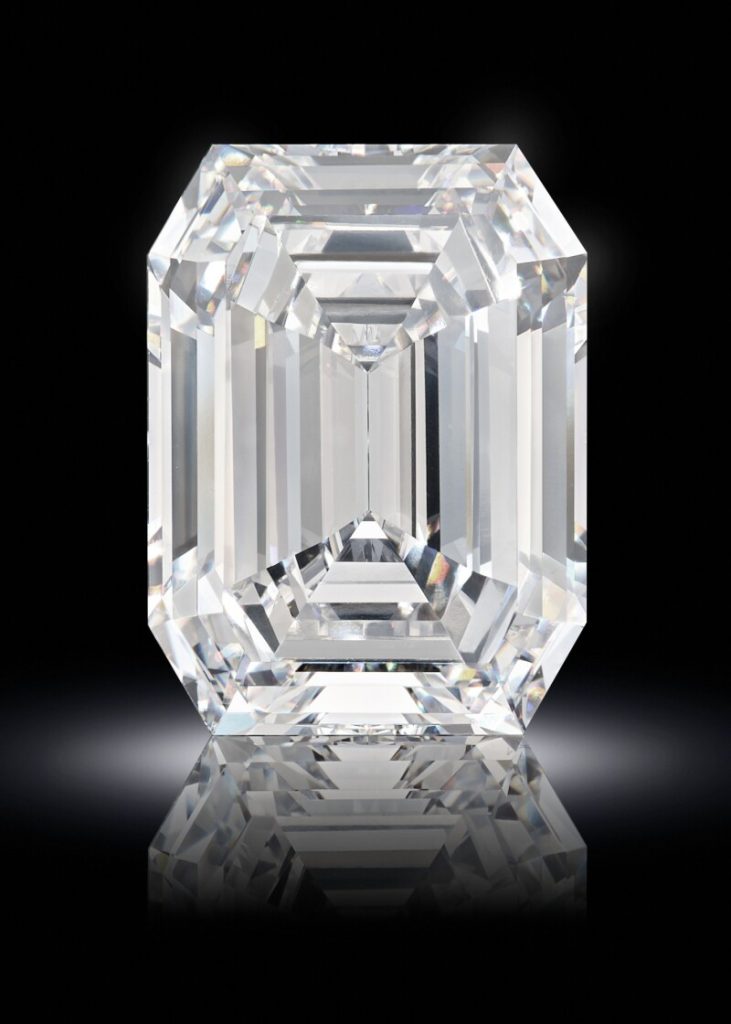
On December 9, 2025, history came full circle at Sotheby’s new global headquarters in New York’s iconic Breuer Building. The Jonker VI diamond, a 22.85-carat emerald-cut stone with royal lineage dating back to 1934, sold for over $2 million, significantly exceeding its pre-sale estimate of $1 million to $1.5 million. The sale marked not only a successful debut for the auction house’s landmark Madison Avenue location but also the triumphant return of a diamond whose story intertwines with Hollywood glamour, South African discovery, and the legendary career of Harry Winston, the “King of Diamonds.”
The Birth of a Legend
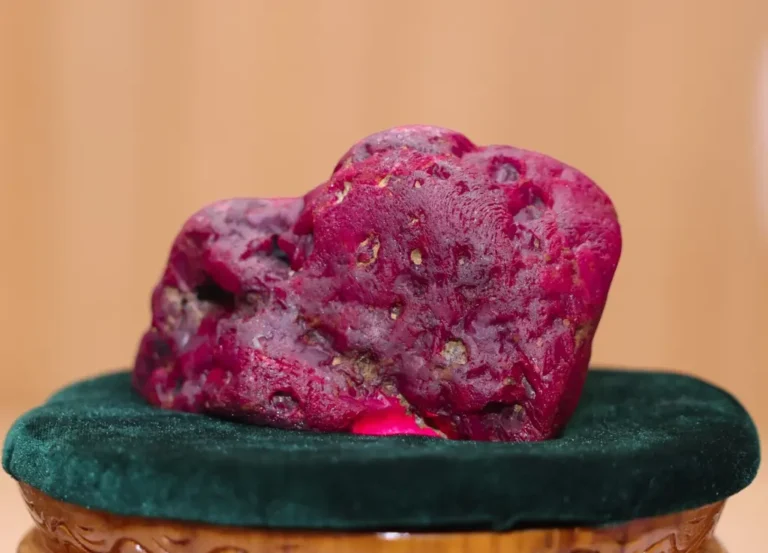
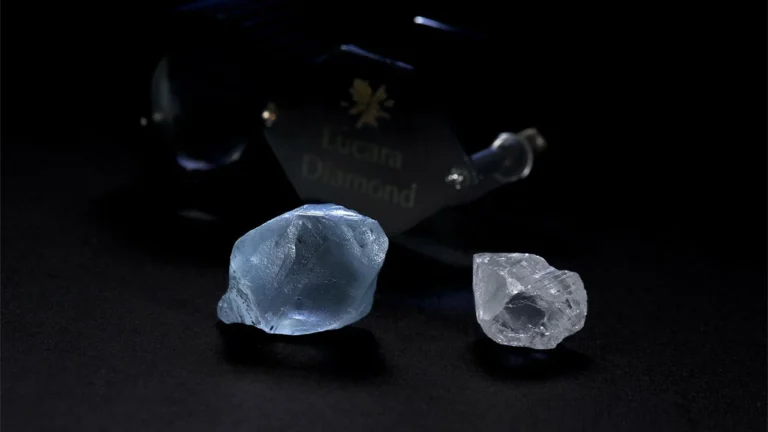
The story of the Jonker VI diamond begins in January 1934 on the alluvial deposits of the Elandsfontein Mine near Pretoria, South Africa. An employee of prospector Jacobus Jonker unearthed a remarkable rough gem weighing 726 carats—the fourth-largest gem-quality diamond known at the time. The exceptional size and clarity of this stone immediately captured the attention of major players in the diamond industry, setting in motion a chain of events that would help define modern diamond history.
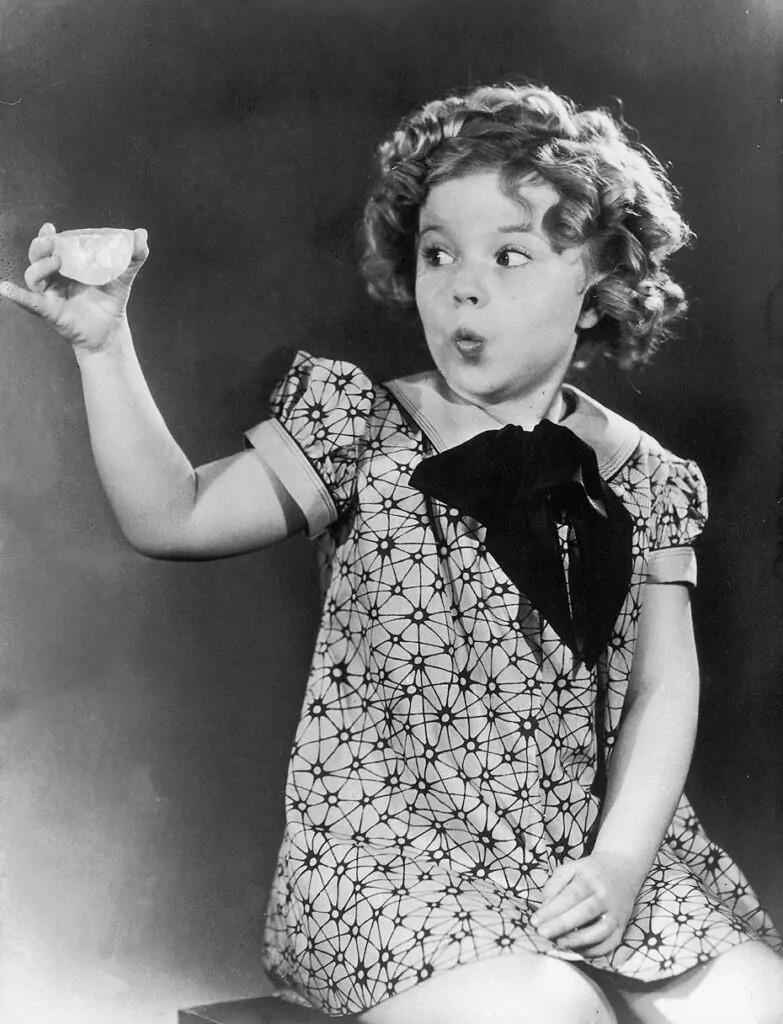
The rough diamond was initially acquired by the Diamond Producers Association before being purchased in 1935 by legendary jeweler Harry Winston. Understanding the power of publicity, Winston staged an unforgettable media event before the massive stone was cleaved: he had it photographed in the tiny hands of child star Shirley Temple. The image was widely circulated in newspapers and magazines worldwide, cementing both Winston’s flair for spectacle and the Jonker diamond’s status as a cultural phenomenon. For a young jeweler still building his reputation, this masterstroke of marketing proved transformational. The acquisition and subsequent handling of the Jonker rough firmly established Harry Winston’s legacy as a dominant force in the diamond industry.
Winston entrusted the cutting of the 726-carat rough to Lazare Kaplan, one of the era’s most skilled diamond cutters. The decision to cleave such a massive and valuable stone carried enormous risk—one miscalculation could shatter the diamond into worthless fragments. After months of study and planning, Kaplan successfully cleaved the Jonker rough into 13 stones of varying sizes, each maintaining the exceptional quality that had made the rough so valuable.
The Jonker Family of Diamonds
The largest stone from the rough, Jonker I, originally weighed 142.90 carats before being later recut to approximately 125.35 carats. This magnificent diamond passed through some of history’s most prestigious collections, including those of Egypt’s King Farouk and Nepal’s Queen Ratna. Today, Jonker I retains near-mythic status among diamond connoisseurs, representing one of the greatest stones ever fashioned.
While Jonker I’s provenance has been meticulously documented, the histories of its twelve siblings remained less visible—until now. Among these was the Jonker VI diamond, originally fashioned as a 24.91-carat emerald-cut stone. Though later recut to its current weight of 22.85 carats, the Gemological Institute of America was able to verify using sophisticated spectroscopic methods that this diamond was indeed cut from the same rough as Jonker I. This scientific confirmation adds immeasurable value to the stone, connecting it irrevocably to one of diamond history’s most celebrated discoveries.
The Jonker VI diamond boasts exceptional quality credentials: D color (the highest grade on the color scale, indicating absolutely colorless) and VVS1 clarity (indicating that inclusions are extremely difficult to see even under 10x magnification). These grades, combined with the stone’s historical provenance and connection to the legendary Jonker rough, positioned it as one of the most significant lots in Sotheby’s December High Jewelry sale.
Market Performance and Collector Enthusiasm
The Jonker VI diamond’s final price of $2 million represented a 33% premium over its high estimate. It’s a strong result that reflects both the stone’s individual merits and broader market trends. The diamond market in 2025 has shown particular strength for stones with exceptional provenance, historical significance, and documented quality. Collectors increasingly seek pieces that tell stories beyond their physical attributes, viewing them as tangible connections to history.
The sale also demonstrated continued appetite for D-color diamonds. As the absolute highest grade on the color scale, D-color stones represent the pinnacle of diamond quality. Combined with VVS1 clarity, the Jonker VI diamond offered collectors a rare opportunity to acquire a stone that meets the most exacting standards while carrying one of diamond history’s most celebrated names.
Six Other Notable Lots from the Sale
While the Jonker VI diamond captured headlines with its historical significance, several other exceptional pieces demonstrated the breadth and quality of Sotheby’s December High Jewelry sale:
Unmounted Fancy Blue Diamond – $2.5 Million
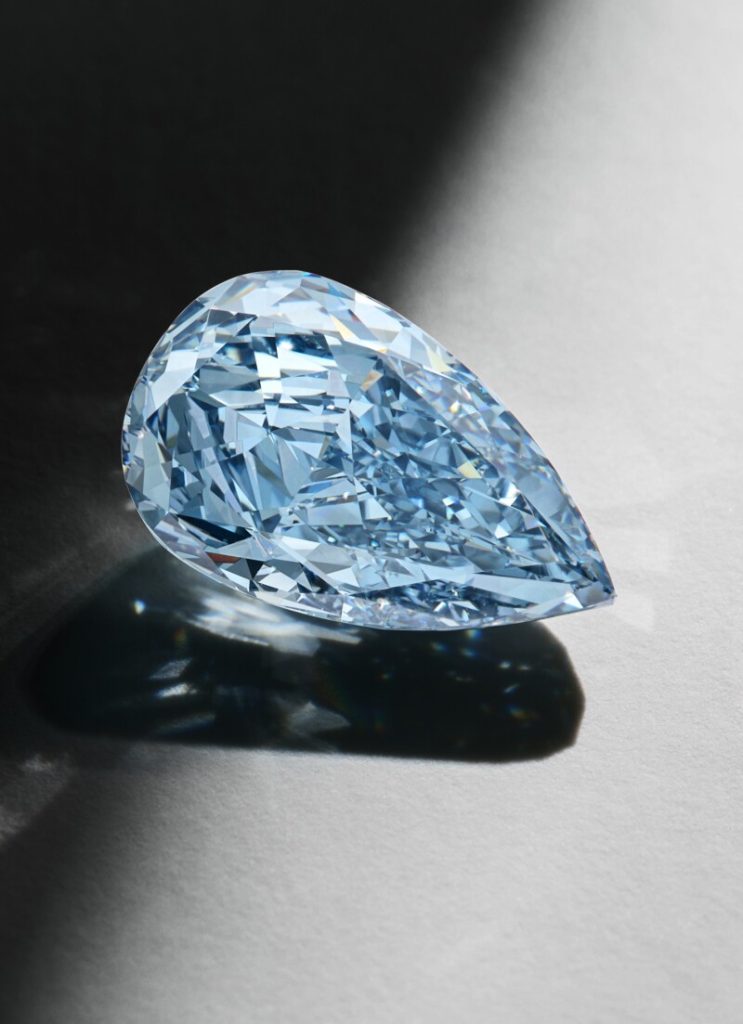
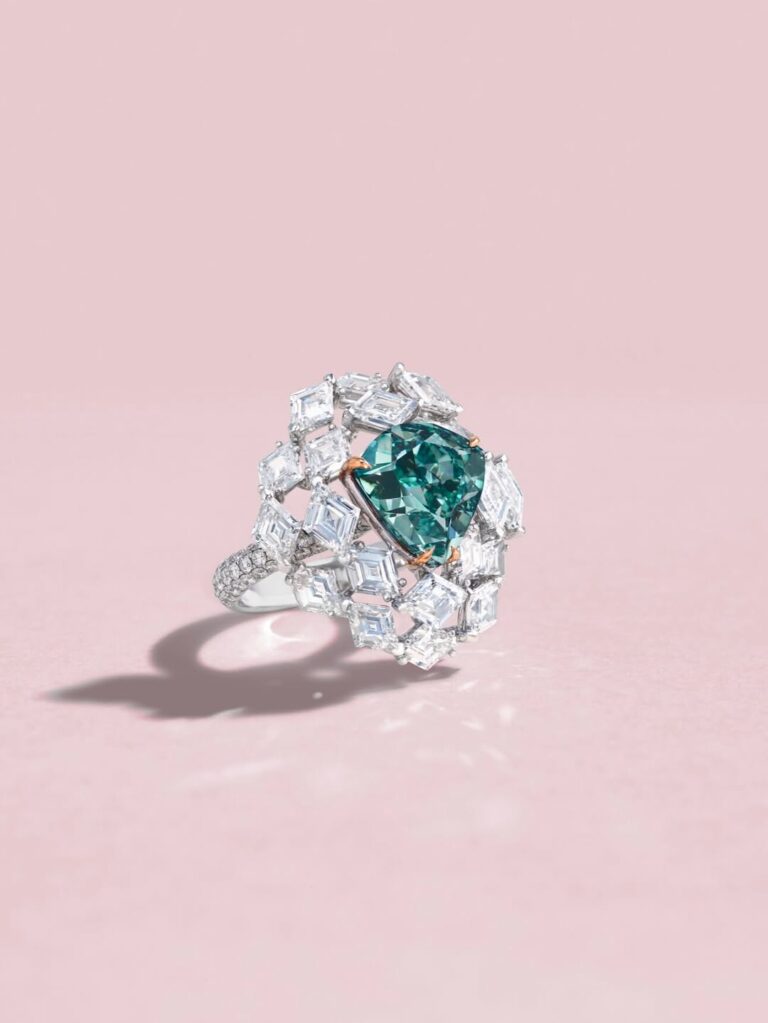
The top lot of the sale is an unmounted pear-shaped Fancy Intense Blue diamond weighing 3.48 carats that sold for over $2.5 million. This internally flawless gem exemplified the current market’s appreciation for colored diamonds, which have seen significant records set in 2025.
Van Cleef & Arpels Ceylon Sapphire Ring – $1.6 Million
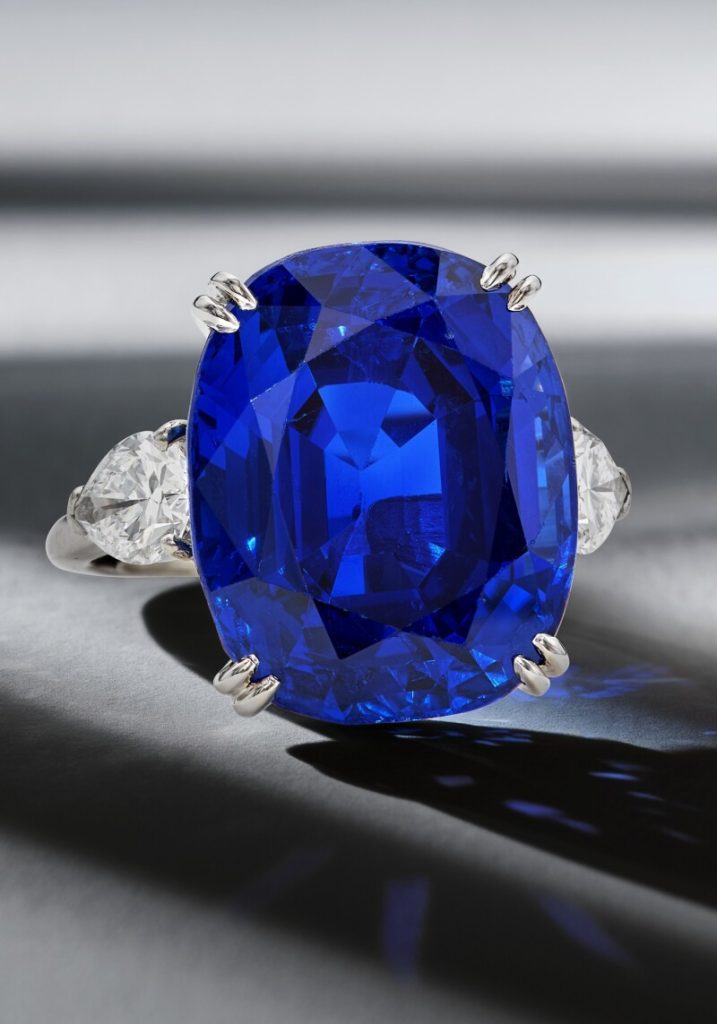
Selling for $1.6 million, well above its $900,000 estimate, this Van Cleef & Arpels ring showcased a cushion-cut, 26.55-carat Ceylon sapphire positioned between two pear-shaped diamonds. Ceylon (Sri Lankan) sapphires are prized for their distinctive cornflower-blue color and exceptional clarity. The stone’s substantial size, combined with Van Cleef & Arpels’ legendary craftsmanship, created a ring that attracted spirited bidding far beyond expectations.
Two Old Mine-Cut Diamond Necklaces – $825,500
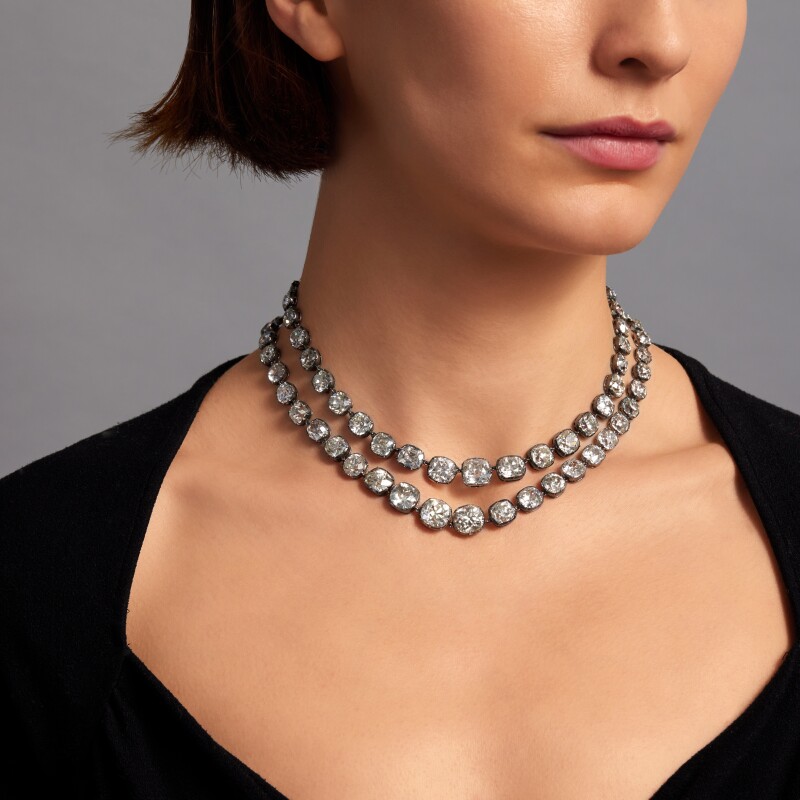
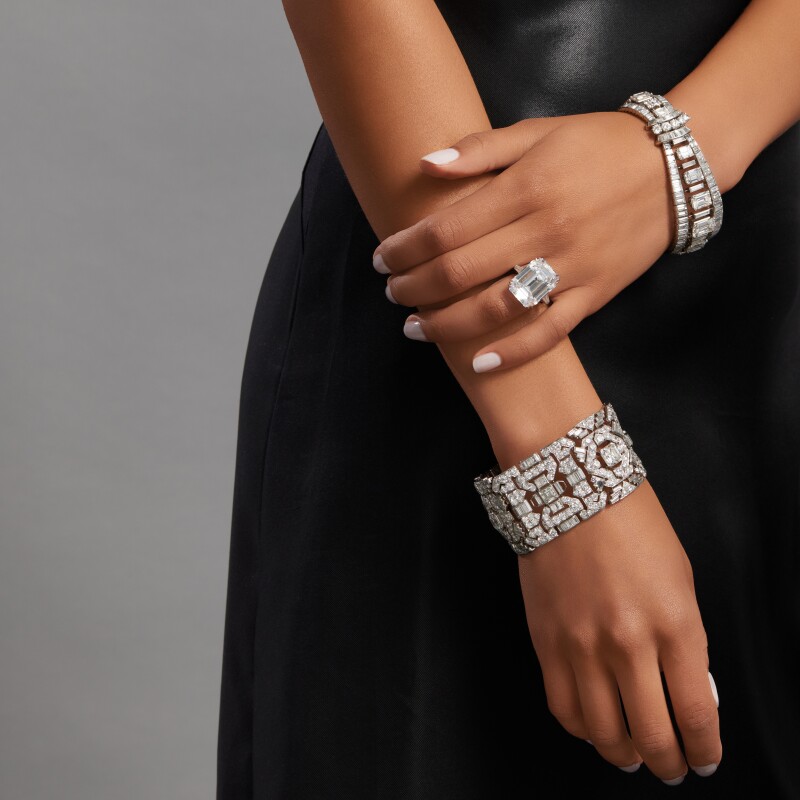
These diamond necklaces, set with old mine–cut stones, achieved $825,500 at auction, soaring past the $350,000 to $550,000 estimate. Designed as a line of graduating diamonds in classic collet settings, the pair can be joined to form a single long necklace. With the growing appetite for vintage jewelry, old mine–cut diamonds have returned to favor among collectors, and this result underscores that rising demand.
Fancy Yellow Diamond Earrings – $496,900
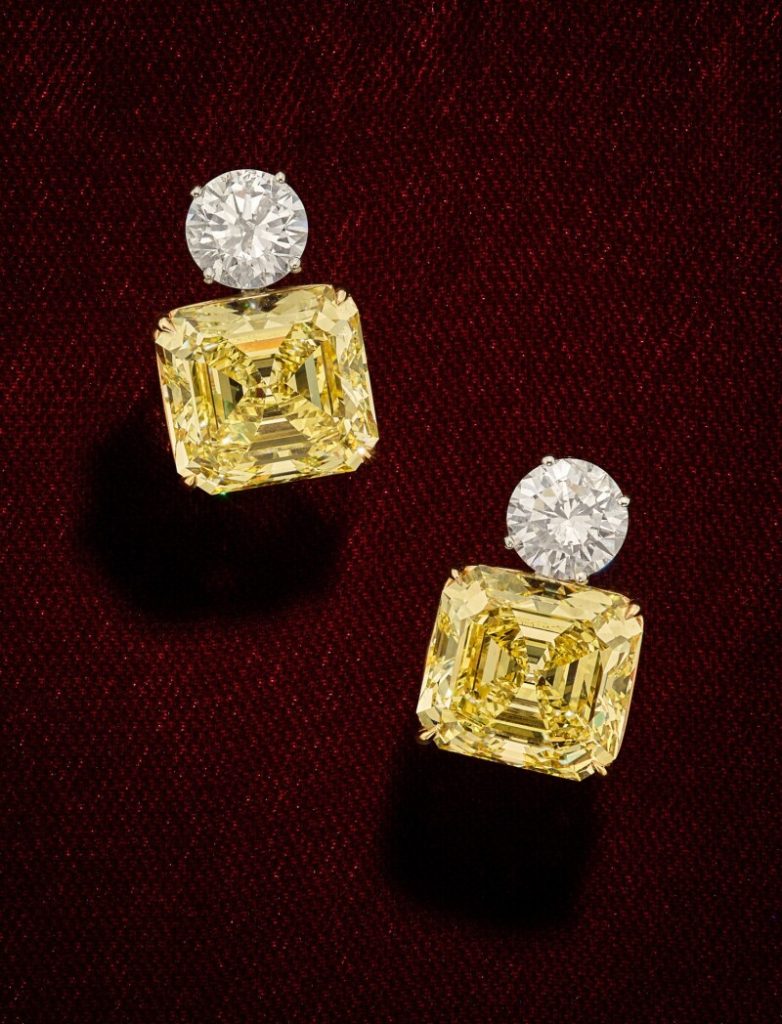
Another standout performer, these earrings, featuring yellow diamonds of 14.15 and 14.01 carats, sold for $496,900, within the pre-sale estimate of $400,000-$600,000. With VS1 and VVS2 clarity, these gems, surmounted by round diamonds, demonstrate the incredible craftsmanship of nature.
Van Cleef & Arpels Sapphire and Diamond Suite – $457,200
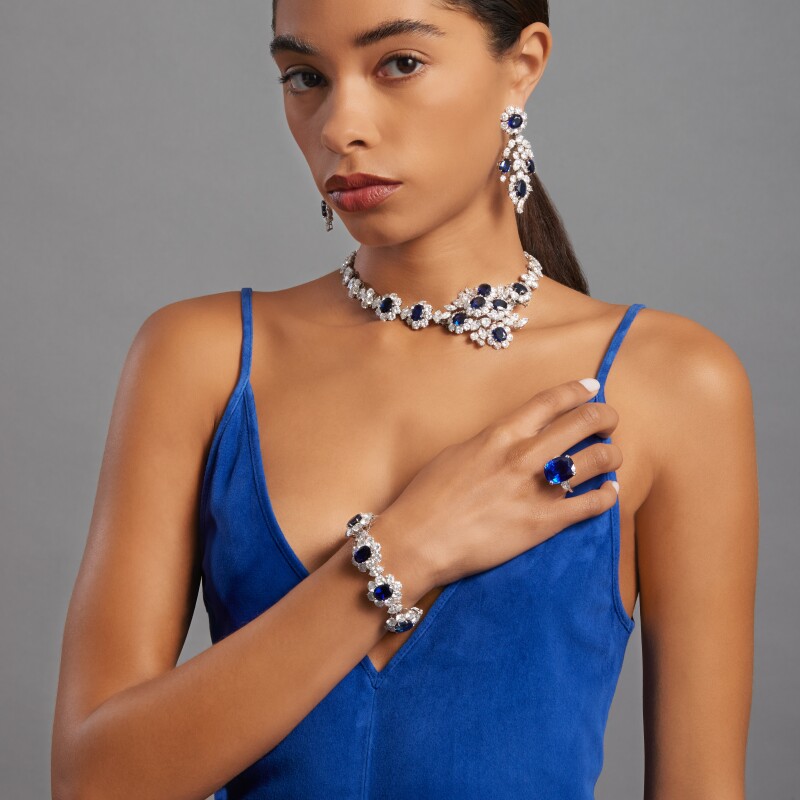
This Van Cleef & Arpels necklace, bracelet, and clip suite, circa 1965, set with magnificent sapphires and diamonds, achieved $457,200. The piece came from the collection of Uta Ortiz-Patiño, of the famed Patiño family. The combination of exceptional provenance, an important French jewelry house, and incredible sapphires created a perfect storm of collectibility.
JAR Pair of Spinel, Sapphire, and Diamond Earclips – $355,600
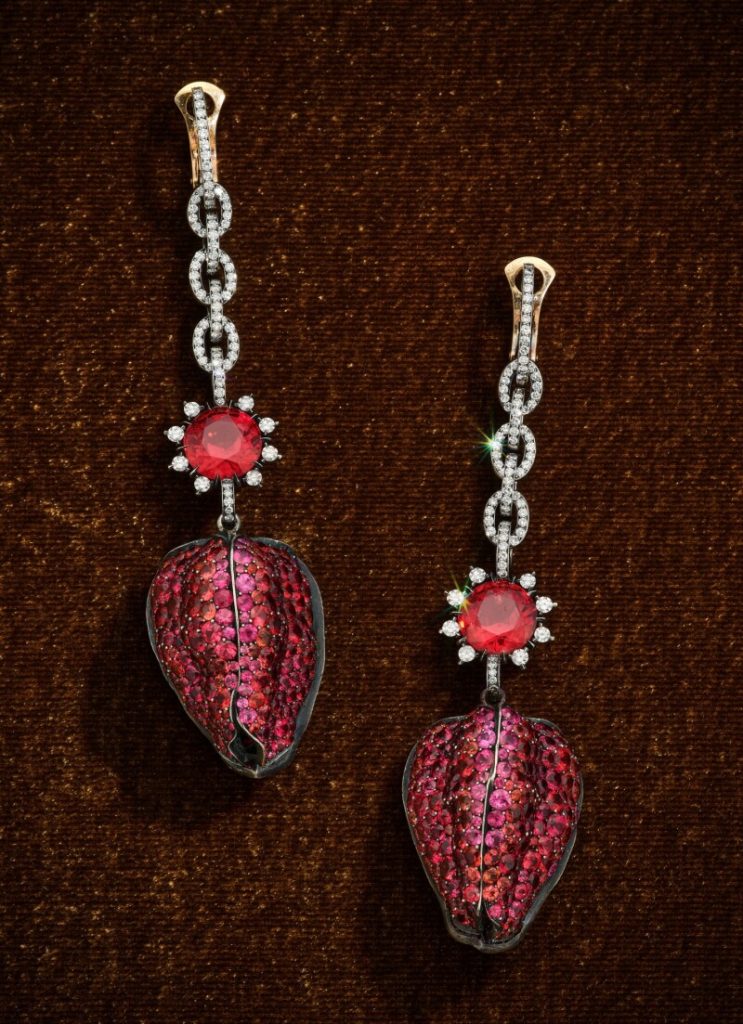
These earrings by the secretive and highly collectible house of JAR (Joel Arthur Rosenthal) feature pendants designed as physalis fruits pavé set with round pink and red spinels and orange sapphires, suspended from diamond-set cable links enhanced by round red spinels. The piece sold for $355,600, within its $300,000 – $500,000 estimate. JAR pieces rarely appear at auction, as Rosenthal produces only a handful of creations each year and sells primarily to a small group of devoted clients. When JAR jewelry does reach the market, collectors compete fiercely, as demonstrated by this result.
The Broader Market Context
The success of the Jonker VI diamond and other top lots reflected several important trends in the luxury jewelry market. First, provenance matters more than ever. Collectors are willing to pay substantial premiums for pieces with documented histories, prestigious former owners, or connections to significant events. The Jonker VI diamond’s link to the 1934 discovery and Harry Winston’s early career provided exactly this type of compelling narrative.
Second, quality remains paramount. Every top-performing lot in the sale boasted exceptional gemological characteristics—whether D-color diamonds, unheated Ceylon sapphires, or yellow diamonds. In an era when synthetic and treated stones have become increasingly sophisticated, natural gems of proven quality command growing premiums.
Third, signed jewelry continues to outperform unsigned pieces. Names like Harry Winston, Van Cleef & Arpels, and JAR carry weight that translates directly to bidding enthusiasm. These houses represent not just luxury brands but artistic legacies, and their creations are increasingly viewed as wearable art rather than simply jewelry.
Looking Forward
The $2 million result for the Jonker VI diamond suggests that the market for historically significant diamonds remains robust despite broader economic uncertainties. As Sotheby’s settles into the Breuer Building and continues building its jewelry program in this prestigious new space, pieces like the Jonker VI diamond demonstrate the enduring appeal of stones that combine gemological excellence with compelling stories.
Featured images: Sotheby’s

Sewelo is a world where jewelry, watches, and objects come alive in a shimmering dance of fantasy. Through a literary lens, we celebrate the beauty and elegance that make these treasures more than just possessions.