
I have lost count of how many times I have watched someone cradle a freshly purchased Birkin the way new parents cradle their firstborn and announce with the conviction of a Wall Street analyst that their bag is an investment. And I have lost count, equally, of how many times someone has dismissed that claim entirely as the kind of logic we deploy to justify what was, at its core, an extraordinarily pleasurable purchase. The truth, like most things worth understanding, lives somewhere between those two positions. So let us settle the question once and for all, or at least try our best to, because asking: is a handbag an investment is, it turns out, one of fashion’s most genuinely interesting economic questions.
The answer will not satisfy the absolutists on either end. It is not a clean yes, and it is not a dismissive no. What it is, instead, is a qualified, context-dependent, brand-specific, condition-sensitive, timing-reliant, maybe. Which, frankly, is more or less what most investments are, if you are being honest about it.
The Case For: When Bags Became Blue-Chip
Let us start with the data that made the handbag-as-investment argument so compelling in the first place, because the numbers are, in certain cases, genuinely extraordinary.
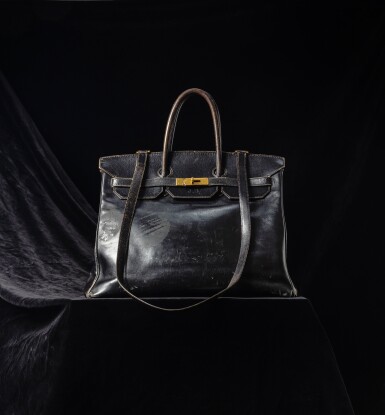
In July 2025, the world stopped for a moment when Jane Birkin’s original Hermès Birkin, a scuffed, scratched, sticker-covered black leather bag she had carried nearly every day between 1985 and 1994, sold at Sotheby’s Paris for €8.6 million, approximately $10.1 million. It became the most expensive handbag ever sold at auction, and the most valuable luxury item Sotheby’s Paris had ever sold. The hammer fell at €7 million, after what can only be described as a bidding war that had gasps echoing through the live stream.
The bag’s own origins were decidedly unglamorous. It was designed after Birkin herself spilled a wicker basket on Hermès chairman Jean-Louis Dumas on a flight in 1984, and she sketched her dream bag on an airplane sick bag. The distance between that story and a $10 million auction result is the most vivid possible illustration of what extraordinary provenance and cultural mythology can do for a piece of leather.
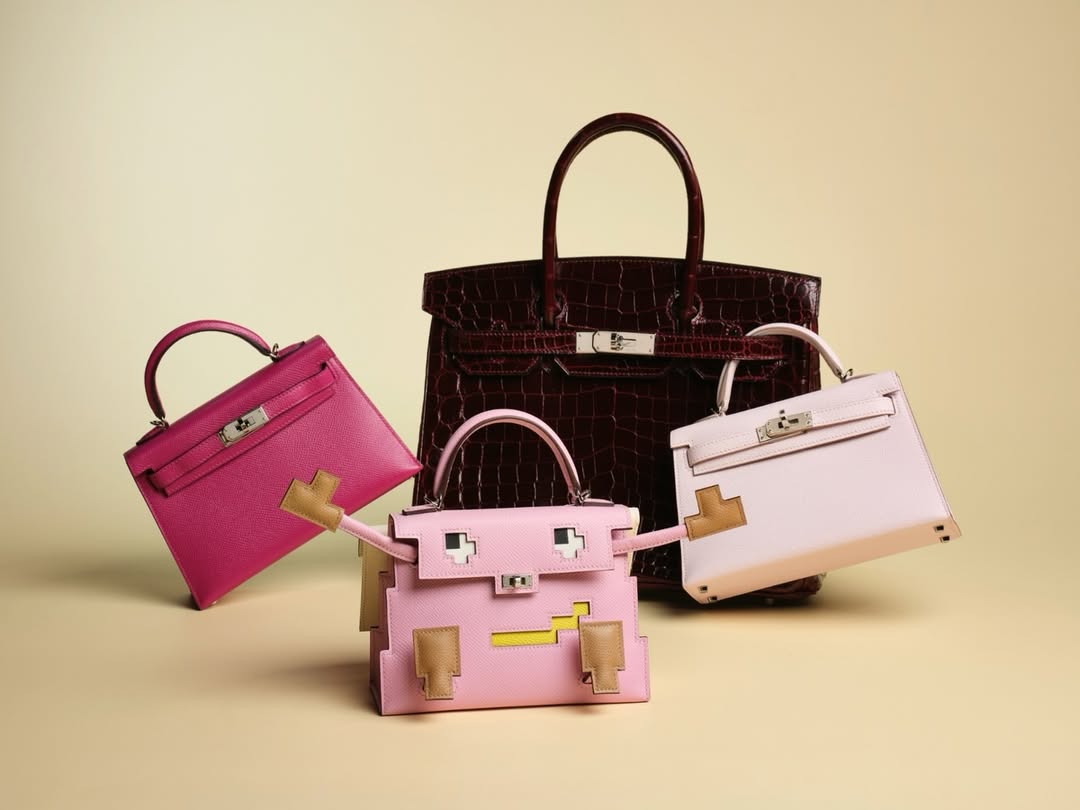
But let us not rely on outliers. Even at the less mythological end of the Hermès scale, the investment case holds up remarkably well. The founder of luxury resale and authentication platform OpenLuxury has noted that over the last decade, resale values for the Birkin and Kelly have outpaced gold, with some buyers doubling their money on purchases made ten years prior.
The broader resale data reinforces this. According to Rebag’s 2025 Clair Report, which tracks value retention across the global secondary market, Hermès reclaimed the top position with an average 138% value retention, a 38% year-over-year increase. A decade-long analysis of Birkin data shows resale values have surged 92% since 2015, far outpacing Hermès’ own retail price growth of 43%.
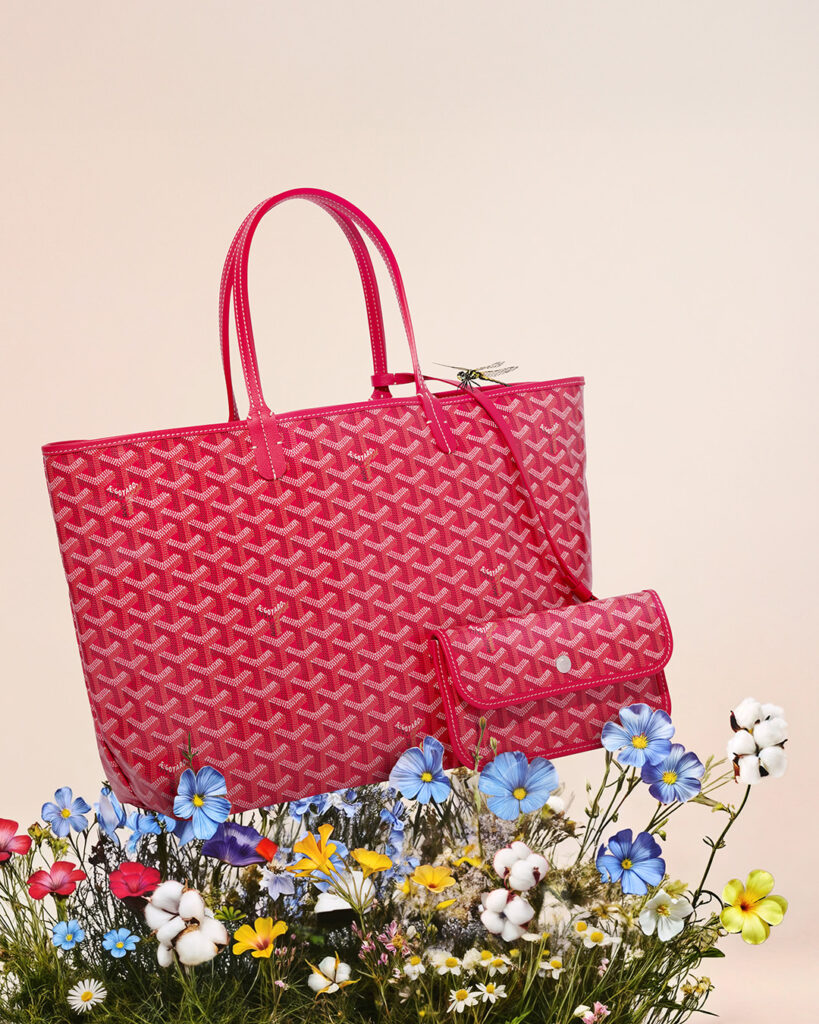
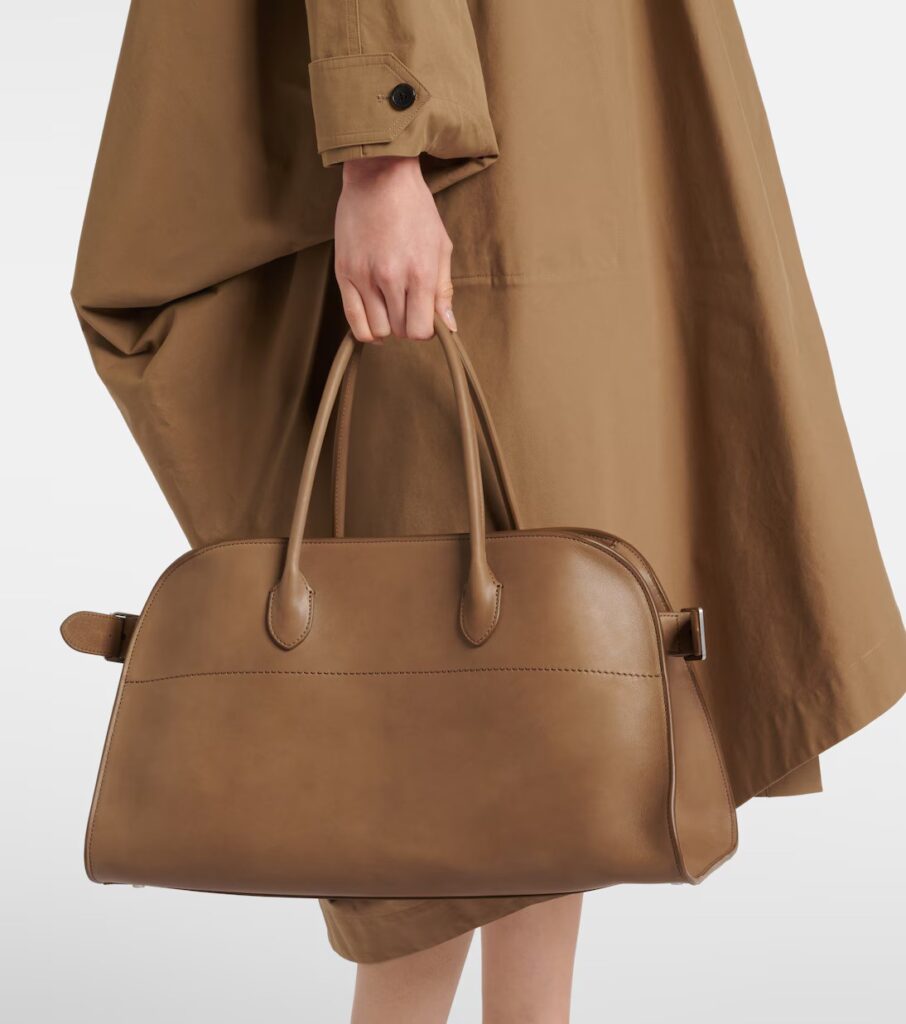
Hermès is not alone in the high-performers club. Goyard leads in resale value retention, with bags retaining approximately 104% of their original retail price, while Chanel bags command around 92% resale value retention. The Prada Re-Edition 2000 Hobo bag has a 109% retention rate, making it one of the brand’s strongest resale performers. For the first time, The Row entered what Rebag calls the “unicorn” category, with its handbags reselling at 97% of their retail value, while Miu Miu also recorded its best performance to date, achieving an average 104% retention rate.
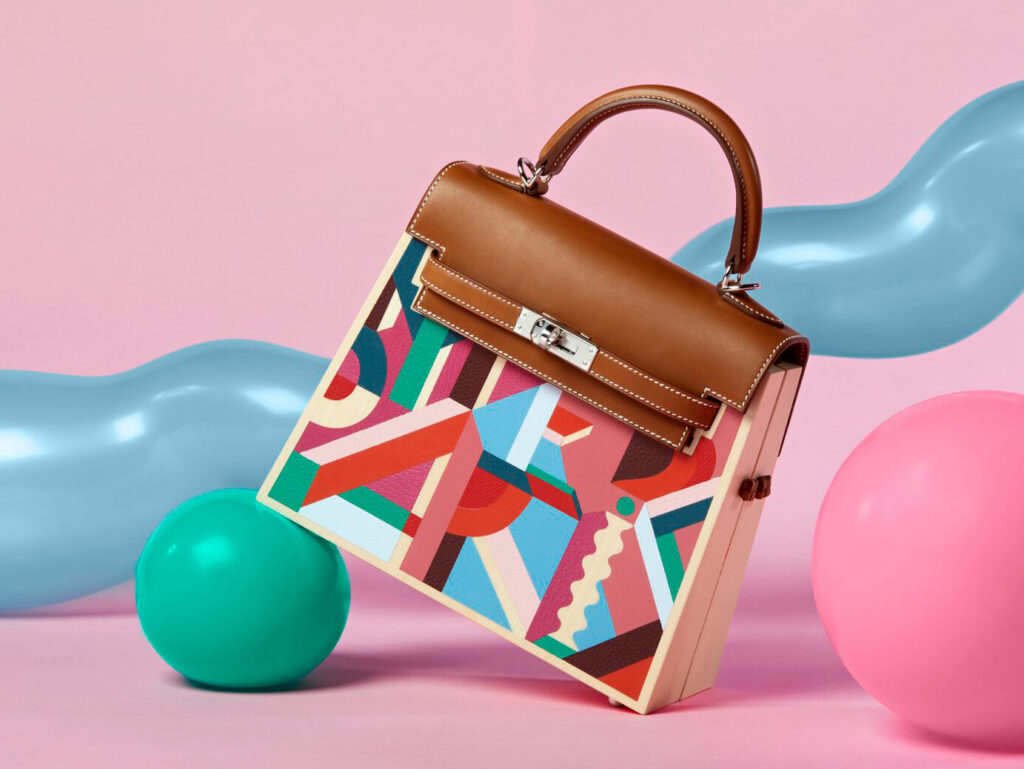
On the auction circuit, the records compound the argument. Christie’s broke records in 2023 with a handbag sale that totalled $4.1 million, the highest-valued handbag sale ever staged in the Americas, with standout results including a rare Hermès Kellywood 22 that fetched $176,400, and Himalaya Birkins regularly commanding six figures. The auction house’s International Head of Handbags described the results as demonstrating “the strength and resilience of the handbags and accessories market,” noting participation from over 30 countries.
This is the strongest version of the investment case, and it is a real one. For the right bag, from the right house, bought at the right time and kept in the right condition, the numbers are not fiction. They are documented, verified, and repeated.
The Case Against: Most Bags Are Not That Bag
Here is where the conversation becomes more honest, and perhaps more useful for the overwhelming majority of people who are not purchasing Himalaya Birkins with diamond hardware or personally curated one-of-a-kind Kellywood pieces.
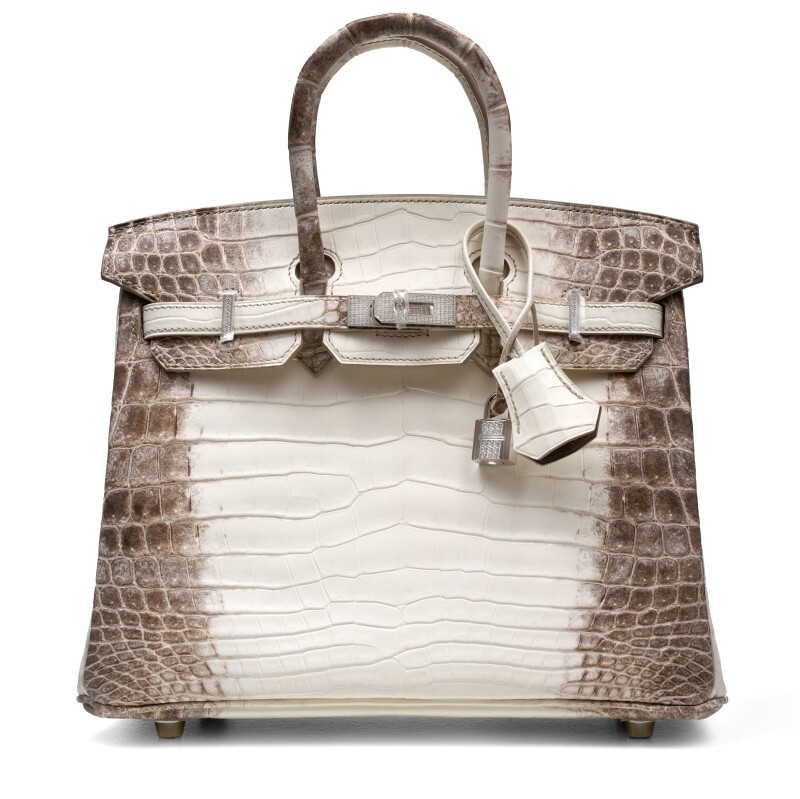
The critical thing to understand about the data above is the degree to which it concentrates at the absolute apex of the market. The $10 million Birkin is extraordinary not because bags are investments, but because that specific bag belonged to the woman it was named for, was made in 1985, had a provenance story that no amount of money can replicate, and carried decades of cultural weight. The Hermès Himalaya Birkin with diamond hardware, a crocodile leather creation so exclusive that only a handful are produced each year, saw its prices decline from a peak of $280,000 in September 2022 to $187,500 in Hong Kong in 2024. Even at the very top of the market, gravity eventually applies.
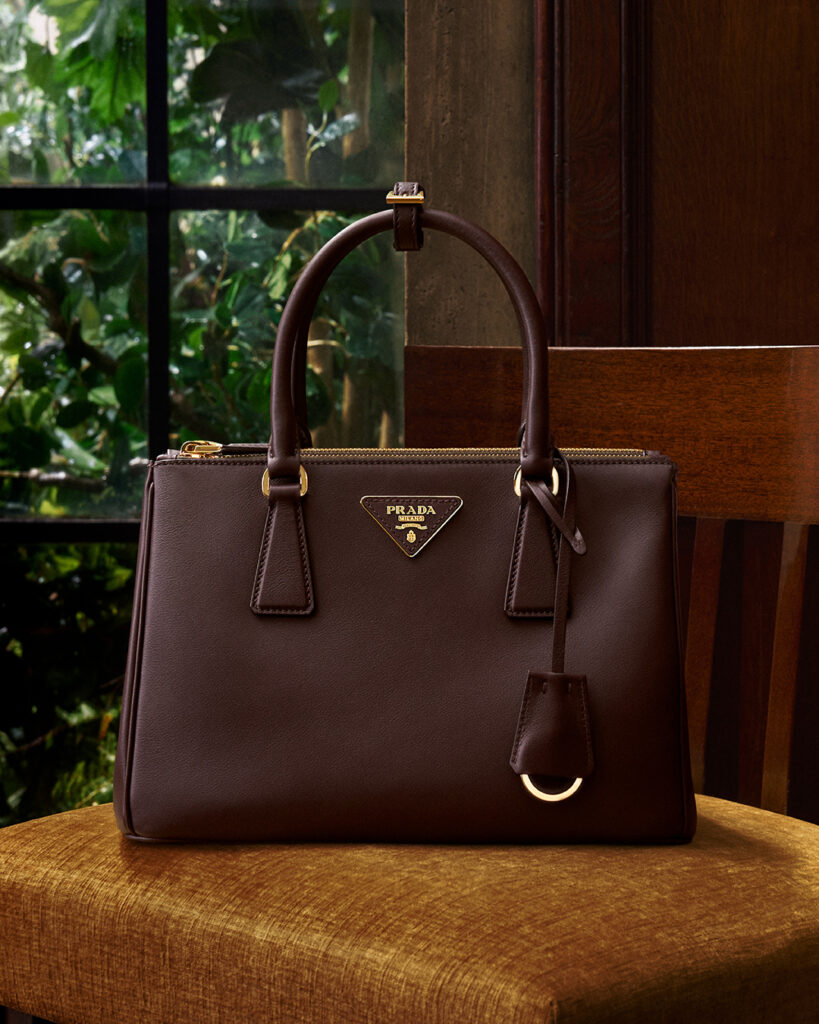
Beyond the Hermès universe, the investment argument becomes considerably less robust. Louis Vuitton bags retain roughly 70 to 80% of their retail value on the resale market—strong by most standards, but it means that a bag purchased for $3,000 might yield $2,100 to $2,400 secondhand. That is not a loss, but it is also not a gain. For mid-tier and trend-driven bags, the picture is considerably bleaker. The bag that you were certain was the It bag of the season, the one every influencer was carrying, the one that sold out in three days, has a higher probability of losing value than a classic, logo-free staple from an iconically positioned house.
Then there is the inconvenient matter of condition. A bag is not a stock certificate or a bar of gold; it can be damaged, scratched, stained, exposed to humidity, or simply worn in a way that reduces its secondary market value substantially. The pristine condition requirement is both real and demanding, and it cuts against the fundamental purpose of a bag, which is (call me old-fashioned) to be used.
The Broader Economic Storm: Cooling Markets and Cautionary Tales
If you want to understand whether a handbag is an investment with full intellectual honesty, you have to reckon with what the past few years have done to the broader luxury secondary market, and what it rhymes with in adjacent categories.
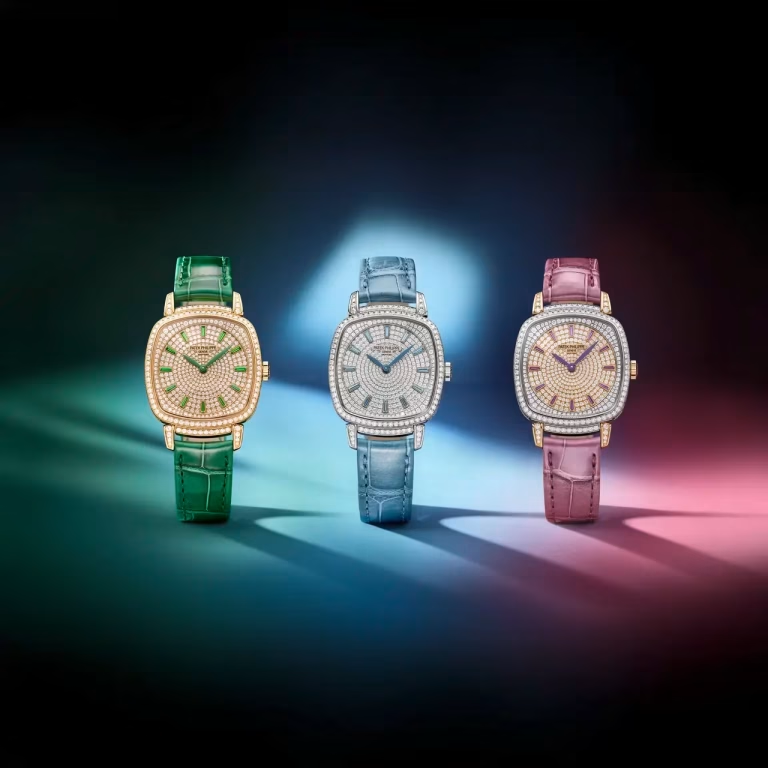
Consider the wristwatch market, which experienced the same fever pitch as handbags during the pandemic years. Coveted Swiss timepieces from Rolex, Patek Philippe, and Audemars Piguet became alternative assets, with grey market premiums that made even seasoned collectors dizzy. Then reality intervened. The Bloomberg Subdial Watch Index declined nearly 6% in 2024 to its lowest level since 2021, marking the third straight year of lower prices for premium used Swiss watches. An index of popular Rolex models dropped about 5% during the year, Patek prices fell 4%, and Audemars Piguet prices lost about 7.5% on the used market. The pre-owned watch market ballooned to new heights in 2020 and 2021 during the pandemic before coming back to earth in the spring of 2022, amid an economic slowdown and high interest rates.
The watch market’s experience is the clearest possible warning to anyone who equates “appreciating in value” with “will always appreciate in value.” Markets that inflate on the back of pandemic-era liquidity, social media hype, and speculative demand do not sustain those heights indefinitely. The correction comes. It is just a matter of when, and of how far.
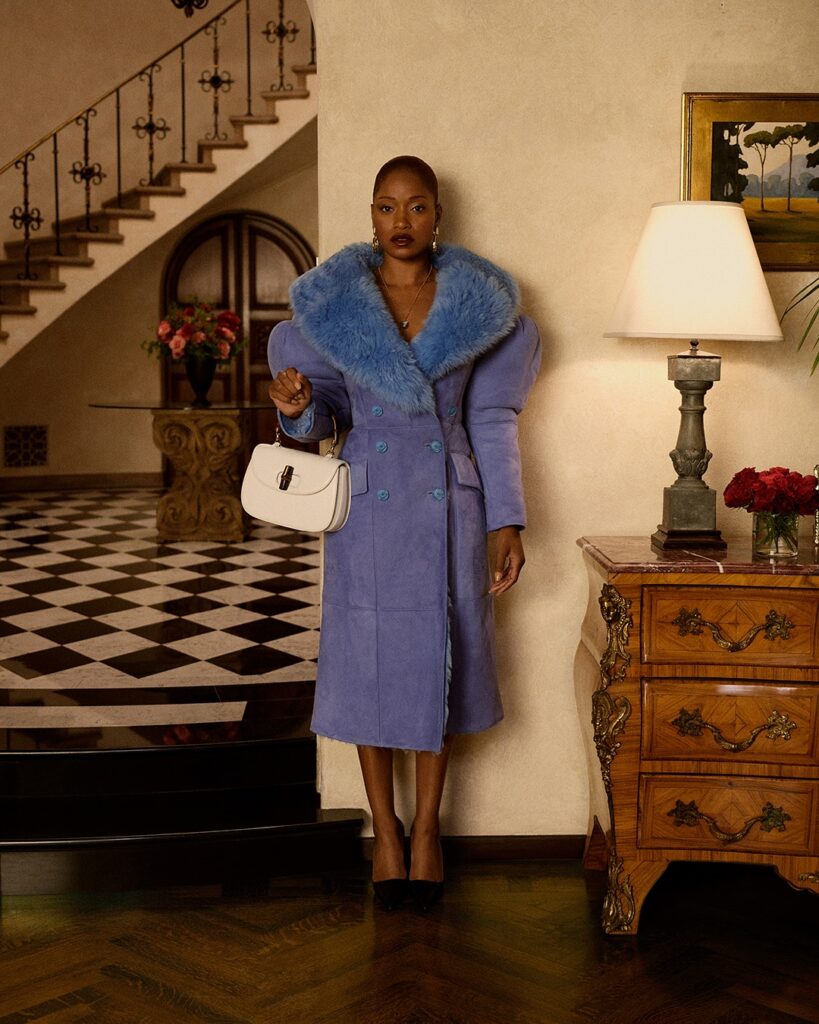
The handbag market has not been entirely immune. The average resale premium for Birkin and Kelly bags fell from 2.2 times its original value in 2022 to approximately 1.4 times as of late 2025, meaning that a bag originally bought for $10,000 that would have fetched $22,200 in 2022 would yield about $14,000 today. That is still a premium above retail, but the direction of travel is a meaningful one. Analysts at Berenberg have described 2025 as marking the end of a “luxury supercycle,” as consumers face inflation headwinds and aspirational shoppers become more cautious. A Bain & Co. report found the luxury market contracted 3% in early 2025, losing approximately 50 million customers. At the high-altitude, exotic-skin tier of the market, prices have shown a volatility that the investment-grade narrative does not always account for.
The Factors That Actually Determine Value
So what separates the bags that perform from the bags that do not? When asking: is a handbag an investment?, the answer depends almost entirely on the following variables, none of which apply equally to all bags.
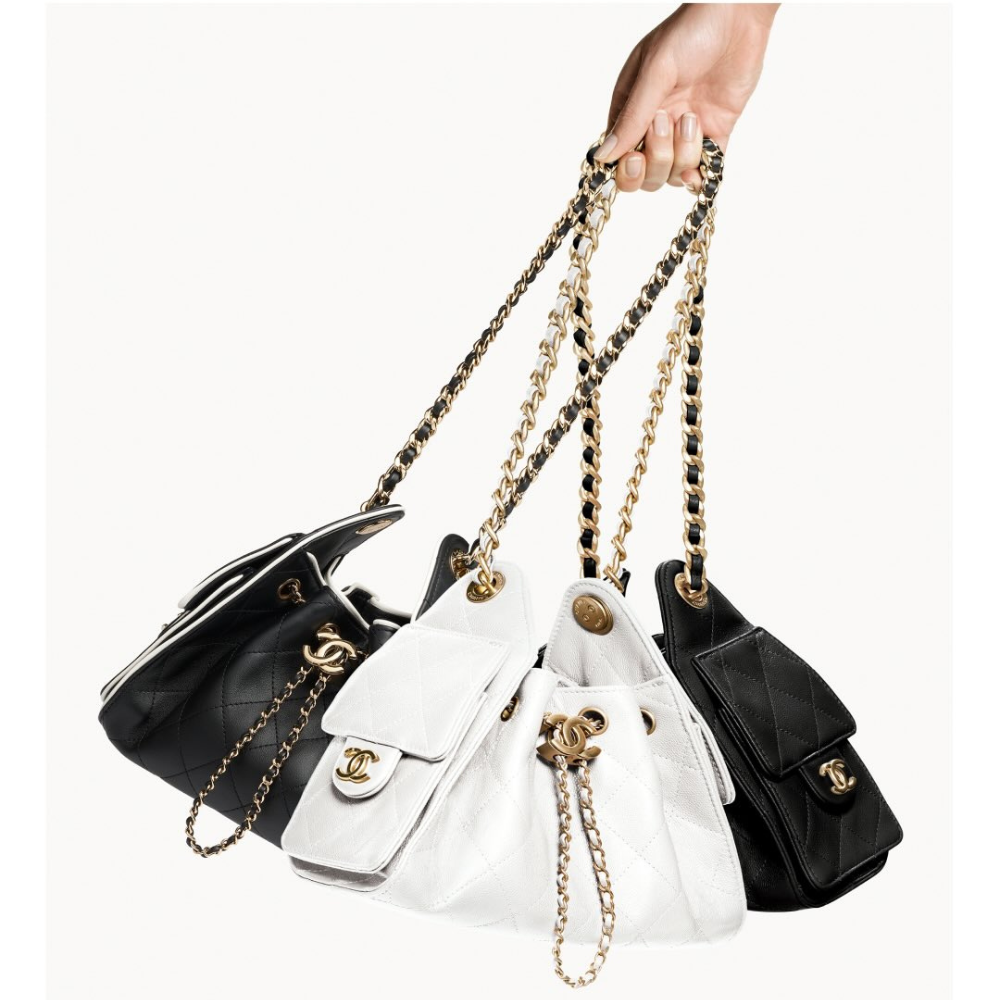
Brand positioning and scarcity are the most critical. Hermès controls its distribution so tightly, producing only around 120,000 bags globally per year, that demand structurally outpaces supply in a way that no other house replicates at scale. Chanel’s aggressive and consistent price increases have had the effect of making its classic bags feel like appreciating assets to buyers who purchased earlier. These are deliberate, strategic choices that create secondary market conditions favorable to resale. Most other brands do not operate with this kind of supply discipline.
Condition is non-negotiable. The premium realized at auction or on The RealReal, Vestiaire Collective, Rebag, or Fashionphile is overwhelmingly concentrated in bags that are in pristine or near-pristine condition with full original hardware, dustbags, and box. A well-loved bag, however much you love it, is not the same asset as an untouched one.
Model and vintage matter enormously. The Chanel Classic Double Flap, the Hermès Kelly, the Louis Vuitton Speedy, these are the styles that consistently perform on resale platforms. The Hermès Kelly Mini II has seen a 282% increase in value retention since 2024, while search interest for revival models like Balenciaga’s Le City Bag and Chloé’s Paddington spiked by enormous percentages, driven by nostalgia cycles. Timing your purchase to the nostalgia arc is a legitimate strategy, but it requires knowledge, patience, and a tolerance for the fact that you are, at least in part, speculating.
So, Is a Handbag an Investment? Not Completely — But Here Is the Honest Argument For It
After all the data, the auction records, the cooling markets, and the cautionary parallels with the watch industry, here is where I land on the question: is a handbag an investment? Not completely, no. But it is something richer and more interesting than a simple no would allow.
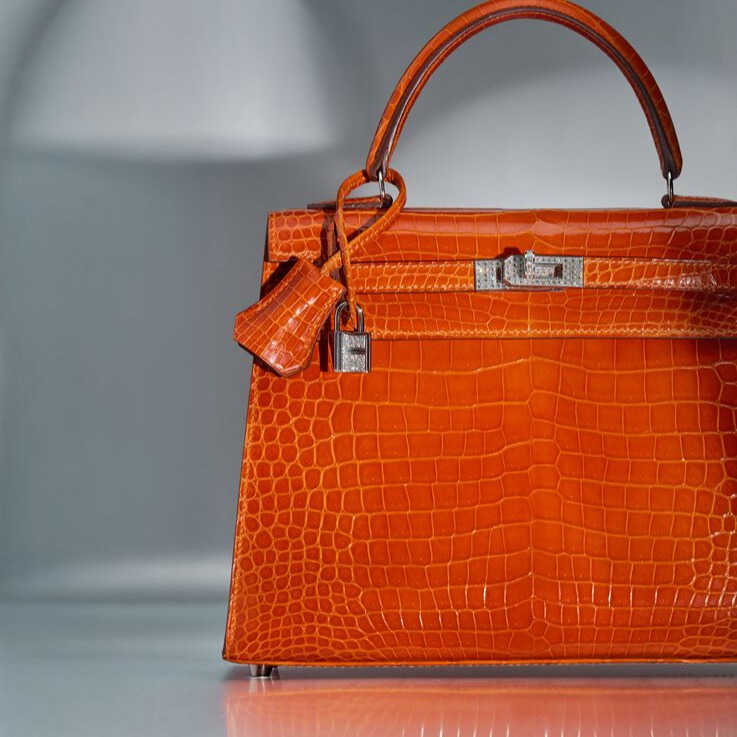
A traditional investment is measured by one metric: financial return. By that standard, the handbag market is too selective, too volatile at the extremes, too dependent on condition and timing, and brand-specific dynamics to qualify as a category-wide investment. The average luxury handbag purchased at retail will depreciate. The data is clear on this point.
But the best luxury handbags, and I mean this sincerely, not as a consolation, occupy a category of asset that sits outside the conventional investment framework entirely. The founder of OpenLuxury put it well when he compared owning a Birkin to owning a Picasso: you can look at it, enjoy it, carry it, and then sell it years later for a substantial return. The S&P 500 cannot be carried to dinner. Gold cannot be worn to a wedding. A painting hangs on the wall in a room that only you inhabit. A great bag travels with you, is seen by people who understand its value, and simultaneously functions as a store of wealth. It is this dual nature—pleasure asset and financial asset, art object and accessory—that makes the investment conversation about handbags so persistently compelling, and so resistant to easy resolution.
The question is not really whether your bag is an investment. The question is whether you are buying a bag that has the conditions required to become one: the right house, the right silhouette, the right scarcity, the right condition, and the right patience. Most handbags will never meet all of those criteria. A handful will. And those few, those very specific, beautifully made, strategically scarce, impeccably kept few, can and do perform in ways that make the word investment feel entirely appropriate.
So buy the right bag, keep it beautifully, know what you own, and understand that the market for it is as subject to economic gravity as any other.
Featured image: Sotheby’s

Amanda Akalonu is dedicated to weaving together the worlds of jewelry, watches, and objects through a lens of literary storytelling.