For over 7,000 years, turquoise jewelry has captivated humanity with its distinctive sky-blue color and mystical allure. From the pharaohs of ancient Egypt to modern fashion runways, this gemstone has adorned royalty, spiritual leaders, and style icons across every continent. Unlike fleeting fashion trends, turquoise transcends time. Its appeal is rooted in both breathtaking natural beauty and profound cultural significance that spans civilizations.
What makes turquoise jewelry eternally relevant? The answer lies in its unique combination of vivid color that ranges from robin’s egg blue to deep green, versatility that complements both bohemian and high jewelry aesthetics, rich cultural heritage connecting wearers to ancient traditions, and genuine rarity as mines become depleted and authentic stones increasingly scarce. Whether you’re drawn to Native American silver and turquoise cuffs, delicate Persian-inspired pieces, or contemporary designer creations, understanding turquoise’s history, varieties, and value ensures you acquire authentic pieces that bring lasting beauty.

This comprehensive guide explores everything collectors and enthusiasts need to know about turquoise—from its geological formation and historical significance to authentication methods, famous mines, market values, and proper care. By understanding what makes turquoise exceptional, you’ll navigate the market confidently and build a collection that appreciates in both beauty and worth.
What Is Turquoise?
Turquoise is a hydrous phosphate of copper and aluminum with the chemical formula CuAl₆(PO₄)₄(OH)₈·4H₂O. This specific composition creates the gemstone’s characteristic blue-green color, with copper providing the blue hues and iron or zinc creating green tints. The stone forms in arid regions where acidic, copper-rich groundwater percolates through aluminum-bearing rocks, slowly depositing minerals in cracks and cavities over thousands of years.
The turquoise gemstone typically occurs in deposits less than an inch thick, though exceptional veins can reach several inches. It forms near Earth’s surface in oxidized zones of copper deposits, explaining why turquoise and copper mining often coincide. The stone’s hardness registers 5-6 on the Mohs scale—hard enough for jewelry but softer than quartz, making it susceptible to scratching and requiring care.
Why Turquoise Varies So Much in Color and Quality
Turquoise’s appearance varies dramatically based on its chemical composition and geological origin. The blue-to-green color spectrum reflects varying copper and iron content. Higher copper creates bluer stones, while iron presence shifts color toward green. Matrix patterns (the host rock visible in or between turquoise) add character: black matrix typically indicates manganese or iron oxide, brown matrix suggests iron or limonite presence, and golden or silver sparkles indicate pyrite (“fool’s gold”) inclusions.
Hardness varies between deposits, affecting workability and durability. Softer turquoise requires stabilization for jewelry use, while naturally hard turquoise can be used untreated. Porosity also differs. More porous stones absorb oils, moisture, and chemicals more readily, necessitating careful handling.
Natural Turquoise vs Treated Turquoise
Understanding turquoise treatments is essential for informed collecting:
- Natural turquoise is an untreated stone hard enough for cutting and polishing without enhancement. This represents perhaps 10-20% of turquoise on the market and commands premium prices due to rarity and authentic beauty.
- Stabilized turquoise has been impregnated with clear resin or plastic under pressure, filling pores and hardening soft material. This treatment significantly improves durability while maintaining natural color. Most commercial turquoise undergoes stabilization, making it practical for everyday jewelry wear.
- Enhanced/dyed turquoise receives color additives to deepen or change hues. Blue dyes intensify pale stones, while green dyes can transform white turquoise. Enhancements should always be disclosed, as it significantly affects value.
- Reconstituted turquoise consists of turquoise powder and dust bonded with resin, essentially manufactured from turquoise scraps. While technically containing real turquoise, these pieces lack natural stone integrity and value far less than solid turquoise.
A Brief History of Turquoise Jewelry
Ancient Civilizations
By 4500 BC, turquoise beads appeared in Egyptian jewelry. The Sinai Peninsula’s Maghara Wadi mines, believed to be the oldest known turquoise deposits, supplied stones for pharaohs for over 2,000 years. Egyptians adorned King Tutankhamun’s burial mask with turquoise inlays and created elaborate pectorals combining turquoise with gold and lapis lazuli.

The Persian Empire prized turquoise as a symbol of victory and holiness, mining deposits near Nishapur that produced the legendary “Persian blue” turquoise (the color standard by which all turquoise is judged). Persian architectural masterpieces like the Masjed-e Shah mosque in Isfahan feature stunning turquoise tile domes, testifying to the stone’s cultural importance.
In North America, turquoise mining and use appeared around 200 B.C. by the Hohokam and Anasazi people. These ancient cultures established extensive trading networks, with turquoise from New Mexico’s Cerrillos mines found as far south as the Yucatan Peninsula and Central America, demonstrating its value as a trade commodity.
Turquoise in Native American Traditions
In Native American legends, when skies opened and rained after long droughts, people’s tears of joy mixed with rain and seeped into Mother Earth to become turquoise. This “sky stone” or “fallen sky stone” held deep spiritual significance across Southwestern tribes.
For the Navajo, turquoise (Doo tl’ izh ii) was central to spiritual observances. They threw turquoise into rivers while praying to rain gods, used turquoise-tipped sticks to divine water sources in the desert, and cast stones skyward when praying to wind spirits. Turquoise was believed to protect warriors, heal the sick, and bring good fortune.
The Hohokam were among the earliest known users of turquoise for jewelry and adornments, with Native American turquoise jewelry traditions dating to around 200 BC. Early pieces consisted of hand-ground turquoise beads, mosaic inlays, and chunky turquoise ornaments. The tradition of combining silver with turquoise began much later, after Spanish colonization introduced metalworking to the Southwest.
By the early 20th century, silver combined with turquoise became a hallmark of Southwestern Native American jewelry. Navajo silversmiths pioneered silver and turquoise combinations in the 1880s, with techniques spreading to Zuni and Hopi tribes. Each tribe developed distinctive styles: Navajo work featured bold, substantial designs with large turquoise cabochons, Zuni artisans became famous for intricate inlay work with precisely cut turquoise pieces, and Hopi craftspeople created distinctive overlay silver designs incorporating turquoise accents.
Victorian and Art Deco Eras
Turquoise gained popularity in Victorian England during the 19th century, appearing in romantic jewelry combining turquoise with pearls, diamonds, and enamel. The Victorians associated turquoise with forget-me-nots, making it a sentimental gift symbolizing fidelity and lasting affection.
The Art Deco period (1920s-1930s) embraced turquoise for its vivid color that complemented geometric designs. Jewelers like Cartier combined turquoise with diamonds, onyx, and coral in striking high jewelry pieces that remain collectible today.
Mid-Century and Contemporary Design

The 1960s-70s counterculture movement embraced Native American turquoise jewelry as symbols of natural living and spiritual connection. This period saw increased demand for authentic Southwestern jewelry, though it also spawned mass-produced imitations that continue flooding the market.
Contemporary designers continue finding new expressions for turquoise—from minimalist settings showcasing single spectacular stones to elaborate high jewelry pieces combining turquoise with diamonds and precious metals. The stone’s versatility ensures its continued relevance across design aesthetics.
The Different Types of Turquoise Used in Jewelry
Natural Turquoise
Natural turquoise requires no treatment or enhancement—it’s hard enough (typically 5.5-6 on the Mohs scale) to cut, polish, and set without stabilization. This represents the most valuable turquoise category, prized by serious collectors and commanding premium prices.
Characteristics of natural turquoise include natural color variations and unique patterns, hardness allowing direct use in jewelry, authentic patina and aging over time, and significant rarity, with perhaps 10-20% of turquoise being genuinely natural.
Famous natural turquoise includes Sleeping Beauty (pure sky blue with minimal matrix), high-grade Persian turquoise (the color standard), and select stones from Kingman, Bisbee, and other premium American mines.
Stabilized Turquoise
Stabilization addresses turquoise’s primary weakness: porosity. Most turquoise is too soft and porous for jewelry use without treatment. Stabilization involves placing stones in a vacuum chamber, removing air from pores, and then infusing them with clear epoxy resin or plastic under pressure. The resin fills pores, creating a hard, durable material suitable for jewelry.
Why stabilization is used: It transforms soft, chalky material into a workable gemstone, prevents color change from oils and moisture absorption, improves polish quality, and makes turquoise practical for everyday wear.
How it affects value: Stabilized turquoise values significantly less than natural, but remains authentic turquoise with legitimate market value. Quality stabilization enhances rather than disguises, preserving natural color and character while improving durability. Well-stabilized turquoise from premium mines remains collectible and desirable.
Treated and Dyed Turquoise
Color enhancement involves adding dyes to improve or change a turquoise’s appearance. Blue dyes intensify pale turquoise, green dyes alter color entirely, and various treatments can create artificial matrix patterns.
How to identify treated turquoise: Unusually uniform, intense color raises suspicion, unnatural color distribution (dye concentrating in porous areas) indicates treatment, and acetone or alcohol tests may reveal dye (though destructive testing isn’t recommended for jewelry). Reputable sellers disclose treatments. Enhanced turquoise isn’t necessarily “fake” but should be priced accordingly, significantly less than natural or quality stabilized stones.
Reconstituted & Imitation Turquoise
Reconstituted turquoise consists of turquoise powder, chips, and dust mixed with resin and compressed into blocks. While technically containing real turquoise, it’s a manufactured material lacking the natural stone’s integrity and value.
Imitation turquoise includes materials designed to resemble turquoise: Howlite (white stone dyed blue—the most common imitation), magnesite (similar to howlite, also dyed), plastic or resin (completely synthetic), and glass (sometimes convincingly made).
Quality imitations can fool casual observers, making authentication knowledge essential. Price typically reveals authenticity. Genuine turquoise jewelry commands specific price points reflecting rarity and labor involved.
Famous Turquoise Mines Around the World
American Turquoise Mines

Sleeping Beauty Mine (Arizona): Known for producing some of the purest sky-blue turquoise in the world, Sleeping Beauty turquoise is distinguished by its lack of matrix, giving stones an even, bright blue appearance. This characteristic made it ideal for inlay work and fine jewelry. The mine closed in 2012, making existing Sleeping Beauty turquoise increasingly valuable and sought-after by collectors.
Kingman Mine (Arizona): One of North America’s largest and most historic turquoise mines, with indigenous people mining the area as early as 1000 AD. Kingman turquoise is easily recognizable by its sky-blue hues and pyrite matrix, giving it a unique metallic sparkle. The mine remains active, producing turquoise in various grades from natural high-grade to stabilized material.
Bisbee Mine (Arizona): Known as Bisbee Blue, this turquoise is famous for its deep blue hues with a unique copper matrix. The chocolate brown or reddish spiderweb matrix against deep sky blue creates some of the most prized turquoise ever available. Originally a copper mine operated by Phelps Dodge Corporation, turquoise was initially considered waste. Workers smuggled pieces home in lunch pails, recognizing the value mine management missed. The mine closed decades ago, making authentic Bisbee extremely rare and valuable.
Royston Mine (Nevada): Known for beautiful colors ranging from deep green to rich light blues set off by heavy brown matrix. The Ottison family operates the mine, processing most material into finished cabochons and controlling output to maintain value. Colors often show both blue and green in single stones, creating a unique character.
Morenci Mine (Arizona): Famous for deep blue stones with pyrite inclusions that sparkle like silver when polished. The mine, focused primarily on copper production, initially buried turquoise to discourage workers from collecting it instead of mining copper. Today, Morenci turquoise, with its distinctive “water webbed” matrix patterns, is highly collectible.
Number Eight Mine (Nevada): Produced stunning spiderweb turquoise with black matrix. Now depleted, Number Eight turquoise commands premium prices due to rarity and distinctive appearance.
Persian (Iranian) Turquoise

Persian turquoise from mines near Nishapur, Iran, set the color standard: pure, intense sky blue without green tints. Persian stones often feature a delicate black spiderweb matrix or appear matrix-free. For centuries, Persian turquoise was considered the finest available, adorning royal treasuries and inspiring the architectural turquoise domes throughout the Islamic world. Political complications have made Persian turquoise difficult to obtain in recent decades, increasing values for authenticated pieces.
Chinese Turquoise
China has become a major turquoise producer, with deposits in Hubei Province yielding substantial quantities. Chinese turquoise ranges from pale blue to deep green, often featuring a spiderweb matrix. While some Chinese turquoise is high quality, much enters the market heavily treated or enhanced. Chinese stones generally command lower prices than American or Persian turquoise, though exceptional natural Chinese stones can be quite valuable.
Other Notable Sources
- Egypt: The historic Sinai mines no longer produce significant turquoise, but Egyptian turquoise holds historical importance as one of the first mined.
- Mexico: Produces turquoise in various colors, though generally softer and requiring stabilization. Mexican turquoise appears frequently in vintage jewelry.
- Tibet: Tibetan turquoise, often deep green, holds spiritual significance in Tibetan Buddhism. Authentic Tibetan stones are increasingly rare.
How to Identify High-Quality Turquoise
Color Assessment
The most valuable turquoise displays pure, intense robin’s egg blue without green tints (the “Persian blue” or “Sleeping Beauty blue” standard). However, green turquoise can also be valuable when the color is saturated and even. Avoid muddy, grayish, or pale, washed-out colors, which indicate lower quality or excessive matrix.
Matrix Patterns
Matrix, the host rock visible in turquoise, adds character when attractive but detracts when excessive or unappealing. Desirable matrix includes fine spiderweb patterns in black or brown, golden pyrite inclusions creating sparkle, and minimal, attractive matrix allowing turquoise color to dominate. Avoid heavy, chunky matrix overtaking turquoise color, gray or muddy matrix colors, and matrix appearing artificial or painted on surfaces.
Hardness and Polish
Quality turquoise takes excellent polish, displaying smooth, glassy surfaces with deep color saturation. The stone should feel substantial rather than lightweight (suggesting porous material or imitation). Natural and well-stabilized turquoise shows depth and translucency even in opaque material, while poor-quality or fake turquoise appears flat and lifeless.
Natural vs Treated Indicators
Natural turquoise often shows slight color variations and natural imperfections, proving authenticity. Stabilized turquoise may display slightly plastic-looking surfaces under magnification. Enhanced/dyed turquoise shows unnaturally uniform color and dye concentration in porous areas. Reconstituted turquoise appears too uniform with a manufactured quality lacking natural stone’s organic character.
Why Provenance Matters
Knowing a turquoise stone’s mine origin significantly affects value and collectibility. Bisbee, Sleeping Beauty, and high-grade Persian turquoise command premiums over generic or unknown-origin stones. Provenance also helps authentication. Understanding specific mines’ characteristics aids in verifying claimed origins. However, be skeptical of provenance claims without documentation. Many sellers attribute turquoise to famous mines without proof, as buyers pay premiums for known origins.
Turquoise Jewelry Styles Through the Ages
Native American Silver Turquoise Jewelry
Native American turquoise jewelry represents one of the most recognizable and collected categories. Key styles include squash blossom necklaces (Navajo designs featuring crescent-shaped naja pendants), concho belts (silver discs often set with turquoise), cluster bracelets and rings (multiple small turquoise stones surrounding central larger stones), and inlay work (precisely cut turquoise pieces fitted into silver designs).
Each tribe developed distinctive aesthetics: Navajo jewelry emphasizes bold silver work with substantial turquoise cabochons, Zuni creations showcase intricate inlay and petit point (tiny turquoise stones), and Hopi pieces feature symbolic overlay silverwork with turquoise accents.
Southwestern & Contemporary Bohemian Designs
The Southwest aesthetic combines turquoise with silver in rustic, organic designs. Contemporary bohemian jewelry embraces turquoise for its colorful, natural character, appearing in layered necklaces, stacked rings and bracelets, wire-wrapped pendants, and beaded designs. This style’s accessibility and versatility make turquoise popular across age groups and fashion sensibilities.
High Jewelry and Designer Pieces
Luxury jewelers incorporate turquoise into haute joaillerie:

- Cartier has long featured turquoise in high jewelry, combining it with diamonds, coral, and onyx in Art Deco-inspired designs.
- Bvlgari uses turquoise in bold, colorful pieces reflecting Italian design sensibilities.
- Contemporary designers like Irene Neuwirth, Pamela Huizenga, and Katherine Jetter create modern turquoise jewelry combining exceptional stones with innovative settings.
High jewelry turquoise pieces use the finest natural stones, often from famous mines, set in platinum or high-karat gold with diamond accents.
Is Turquoise Jewelry Valuable?
What Determines Value
Several factors affect turquoise jewelry value:
- Stone quality: Natural turquoise from famous mines commands the highest prices. Sleeping Beauty, Bisbee, high-grade Kingman, and Persian turquoise lead the market. Color, matrix, hardness, and size all affect individual stone value.
- Jewelry craftsmanship: Fine metalwork, quality settings, and designer names add value beyond the stones themselves. Native American jewelry by renowned artists commands premiums.
- Age and provenance: Vintage pieces, especially from collectible periods or famous collections, value more than contemporary equivalents. Documented provenance increases value.
- Condition: Pristine jewelry values significantly more than damaged pieces. Turquoise can crack, fade, or absorb oils, affecting appearance and worth.
- Market demand: Certain styles experience collecting waves. Currently, mid-century Native American jewelry and high-grade natural turquoise from closed mines are particularly sought-after.
Why Some Turquoise Is Collectible
Premium turquoise from famous mines becomes increasingly collectible as deposits deplete. Sleeping Beauty’s 2012 closure immediately increased existing pieces’ values. Bisbee and Morenci, also closed, command premium prices. Even Kingman, still active, produces less high-grade natural material than historically, making vintage pieces valuable.
Market Trends and Demand
The turquoise jewelry market shows sustained demand driven by several factors: appreciation for handcrafted artisan jewelry, cultural interest in Native American art and traditions, fashion’s ongoing embrace of colorful, statement jewelry, and investment potential in rare, natural turquoise from closed mines. Conversely, mass-produced imitations and low-grade material flood the market, making authentication knowledge essential to avoid overpaying for inferior pieces.
How to Buy Turquoise Jewelry
What Questions to Ask Sellers
When purchasing authentic turquoise jewelry, ask:
- Is the turquoise natural, stabilized, or treated/enhanced?
- What mine does it come from, and is this documented?
- Is this Native American-made, and if so, by which artist/tribe?
- What is the silver purity (sterling, coin silver, etc.)?
- What is your return policy if the piece doesn’t meet expectations?
Reputable sellers answer these questions readily and provide written documentation.
Certificates and Provenance
While turquoise lacks the formal certification system of diamonds, quality sellers provide documentation, including detailed descriptions of treatments, mine origin when known, artist/maker information for Native American pieces, and authenticity guarantees. For significant purchases, independent appraisals by certified gemologists specializing in turquoise provide additional verification.
Buying Vintage vs New
Vintage turquoise jewelry offers:
- Stones from now-closed mines
- Patina and character from age
- Potential investment appreciation
- Connection to specific periods and styles
However, vintage pieces may show wear, require authentication expertise, and lack return guarantees.
New turquoise jewelry provides:
- Pristine condition
- Maker warranties
- Clear documentation
- Easier care-free wearing
Contemporary pieces from established artists appreciate over time, especially as artists gain recognition.
Trusted Dealers and Designers
Buy turquoise jewelry from:

- Established galleries: Reputable Southwestern galleries specializing in Native American art provide authentication expertise and guarantees.
- Recognized artists: Purchasing directly from known Native American jewelers ensures authenticity and supports traditional arts.
- Auction houses: Major houses, including Sotheby’s, Bonhams, and regional specialists, authenticate pieces and provide provenance documentation.
- Specialized online dealers: Platforms focusing on turquoise and Native American jewelry often have expertise that mass retailers lack.
Red Flags to Avoid
Beware of:
- Prices too good to be true for claimed high-grade turquoise
- Sellers unable or unwilling to discuss treatments and origins
- “Genuine turquoise” without specifications (could be reconstituted)
- Pressure tactics or limited-time offers, creating artificial urgency
- Jewelry claimed as Native American without artist identification
How to Care for Turquoise Jewelry
Why Turquoise Is Delicate

Turquoise’s 5-6 Mohs hardness makes it softer than quartz (7), meaning dust particles can scratch it. The stone’s porosity allows absorption of oils, lotions, perfumes, and chemicals, potentially causing discoloration. Extreme temperature changes can cause cracking, and prolonged sunlight exposure may fade some turquoise over time. Despite these vulnerabilities, proper care ensures turquoise jewelry lasts generations.
Cleaning Tips
Clean turquoise gently with slightly damp soft cloths. For stubborn dirt, use lukewarm water and mild soap, rinse quickly, and dry immediately. Never use ultrasonic cleaners, steam cleaners, harsh chemicals, or abrasive materials. Avoid soaking turquoise in water for extended periods. For valuable pieces, professional cleaning by jewelers experienced with turquoise ensures safe maintenance.
Storage Recommendations
Store turquoise jewelry individually in soft pouches to prevent scratching from harder gems. Keep pieces away from extreme temperatures and direct sunlight. Avoid storing in excessively dry conditions, though normal home humidity is fine. For valuable collections, climate-controlled storage provides optimal preservation.
What to Avoid
Remove turquoise jewelry before:
- Applying lotions, perfumes, or cosmetics
- Swimming (chlorine and saltwater damage turquoise)
- Exercising (sweat affects porous stones)
- Cleaning (household chemicals harm turquoise)
- Any activity involving impacts or chemicals
Following the rule “jewelry last on, first off” protects turquoise from unnecessary exposure.
Frequently Asked Questions
Is turquoise a real gemstone?
Yes, turquoise is a legitimate gemstone—a hydrous phosphate mineral prized for thousands of years. However, treatments like stabilization are common, and imitations exist. Understanding the difference between natural, stabilized, enhanced, and imitation turquoise ensures you know what you’re purchasing.
Why is turquoise jewelry expensive?
Quality turquoise jewelry commands premium prices due to genuine rarity (high-grade natural turquoise represents a small percentage of production), mine depletion (many famous mines are closed), labor-intensive handcraftsmanship (especially in Native American jewelry), and strong collector demand for authenticated pieces from known origins.
Can turquoise be worn every day?
Yes, with reasonable precautions. Stabilized turquoise in protective settings works well for daily wear. Remove turquoise during activities involving chemicals, water, or impacts. Natural turquoise requires more care than stabilized, but can certainly be worn regularly by those willing to be mindful. Earrings and necklaces face less risk than rings or bracelets.
How can you tell if turquoise is fake?
Examine color uniformity (too perfect suggests fake), weight (plastic imitations feel light), surface texture (genuine turquoise has subtle natural irregularities), matrix appearance (painted-on matrix indicates fake), and price (impossibly low prices for claimed high-grade stones suggest counterfeits). When uncertain, seek professional gemological authentication.
What is the most valuable turquoise?

Natural turquoise from famous closed mines commands the highest prices. Sleeping Beauty (pure sky blue, no matrix), Bisbee (deep blue with chocolate matrix), high-grade Lander Blue (rare Nevada spiderweb turquoise), and Persian turquoise (the color standard) represent the most valuable categories. Individual stones’ value depends on color, size, matrix, and provenance, with exceptional pieces reaching thousands per carat.
Conclusion: The Enduring Appeal of Turquoise
Turquoise jewelry has adorned humanity for over seven millennia, yet its appeal remains as strong as ever. This remarkable continuity stems from turquoise’s unique combination of breathtaking beauty, rich cultural significance, genuine rarity, and versatile design potential. From ancient pharaohs to contemporary style icons, those who wear turquoise connect to traditions spanning civilizations while making thoroughly modern fashion statements.
For collectors and enthusiasts, understanding turquoise’s complexities—geological formation, historical importance, mine characteristics, treatment categories, and market dynamics—transforms appreciation from casual admiration to informed connoisseurship. This knowledge protects you from counterfeits and poor value while guiding you toward pieces that bring lasting satisfaction.
Whether you’re drawn to the spiritual heritage of Native American turquoise jewelry, the refined elegance of high jewelry incorporating museum-quality stones, or the accessible beauty of well-crafted contemporary pieces, there’s turquoise jewelry perfect for your taste and budget. The key is approaching acquisitions thoughtfully: buy from reputable sources, ask informed questions, understand what you’re getting (natural, stabilized, or treated), and care for pieces properly to preserve them for future generations.

As mines deplete and authentic turquoise becomes scarcer, knowledge becomes increasingly valuable. The skills to authenticate pieces, recognize quality, and understand fair pricing ensure you build collections that appreciate in both beauty and worth. Most importantly, wear and enjoy your turquoise jewelry. These pieces were created to bring color, meaning, and beauty to daily life, not to remain locked away. With proper care, your turquoise will continue captivating admirers for generations to come.
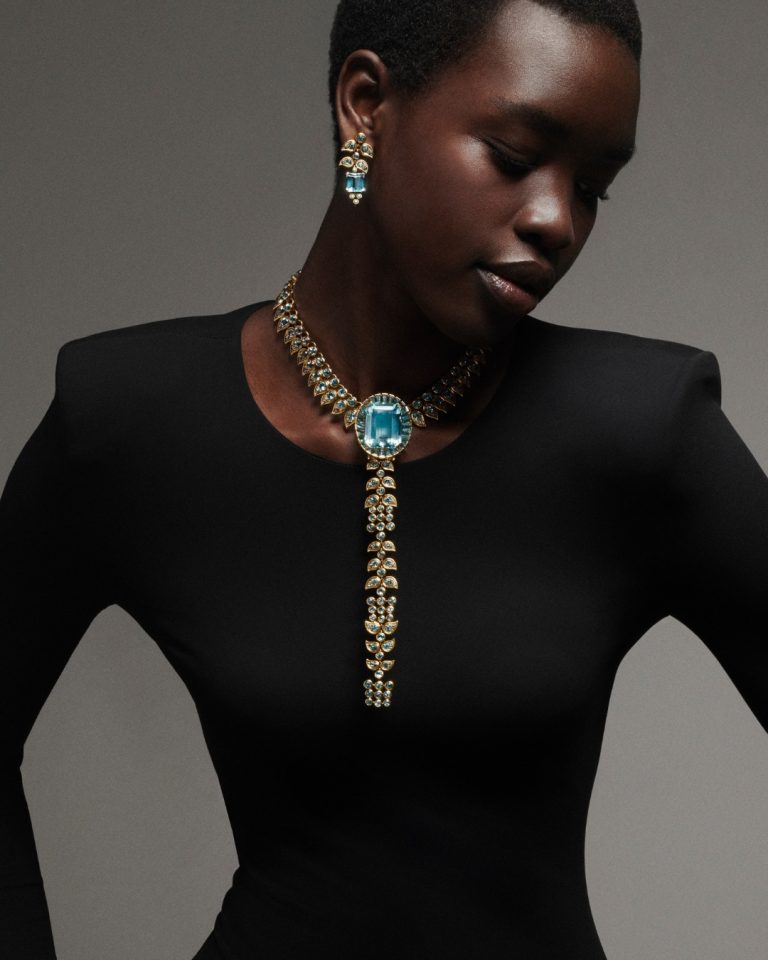
Featured image: Van Cleef & Arpels

Amanda Akalonu is dedicated to weaving together the worlds of jewelry, watches, and objects through a lens of literary storytelling.