
The first time you see a hand-engraved watch, you’ll be struck not by its function, but by its soul. Beneath the polished surface, patterns swirl in tiny, mesmerizing details. Every curve, every line, every miniature flourish tells a story of human hands, of patience, of centuries of craft passed down like a whispered secret. It was no longer just a timepiece—it was a living piece of art, etched in metal.
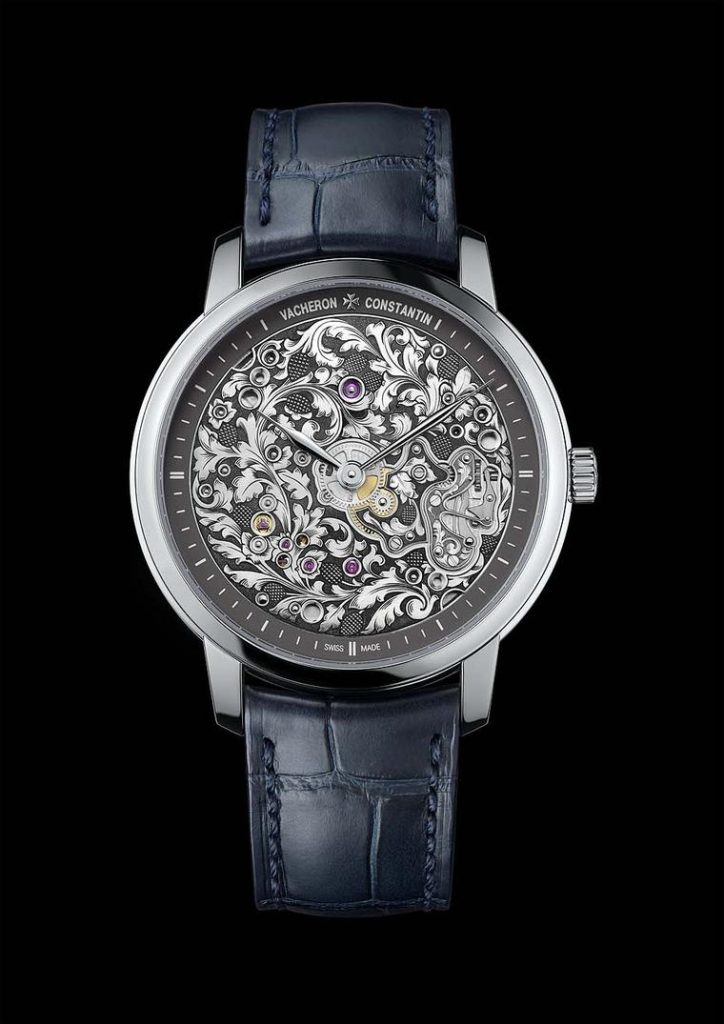
Hand-engraving in watches is one of the oldest and most revered traditions in horology. It is not merely decoration. It is a dialogue between artisan and material, a conversation frozen in time. While the world around it races with machines and automation, hand-engraving stands as a reminder that some beauty cannot be rushed.
Hand-engraved Watch: A Legacy Etched in Time
Engraving and watchmaking share a long, intertwined history. In the Renaissance and through the 18th century, watches were not just instruments of time—they were symbols of wealth, culture, and refinement. Artisans would carve elaborate designs onto casebacks and dials, creating miniature stories that reflected the tastes and aspirations of their owners.

I often imagine the original owner of a silver pocket watch, running a finger over the intricate swirls of a floral motif, feeling a connection to the hands that had shaped it centuries before. That sense of lineage, of human touch transmitted through art, is precisely what continues to make hand-engraving so compelling today.
Techniques and Styles
Hand-engraving is as much about technique as imagination. It requires years of training, patience, and a steady hand. Each method has its own character and charm:

Guilloché (Engine Turning): Perhaps the most hypnotic, guilloché patterns are geometric, rhythmic designs carved into dials using a rose engine lathe. Breguet, for example, has perfected this technique for centuries, creating dials that seem to ripple and dance under the light.
Relief Engraving: Here, the background is carved away, leaving a raised motif. The effect is dramatic, almost sculptural, and can transform a watch case into a miniature bas-relief.
Intaglio Engraving: The opposite of relief, intaglio involves cutting the design into the metal. Letters, numerals, and fine motifs emerge as subtle impressions that play with shadows and light.
Champlevé and Enamel: Some engravings serve as canvases for enamel, where recesses are filled with color and fired to perfection. The combination creates depth and dimension that is both tactile and visual.
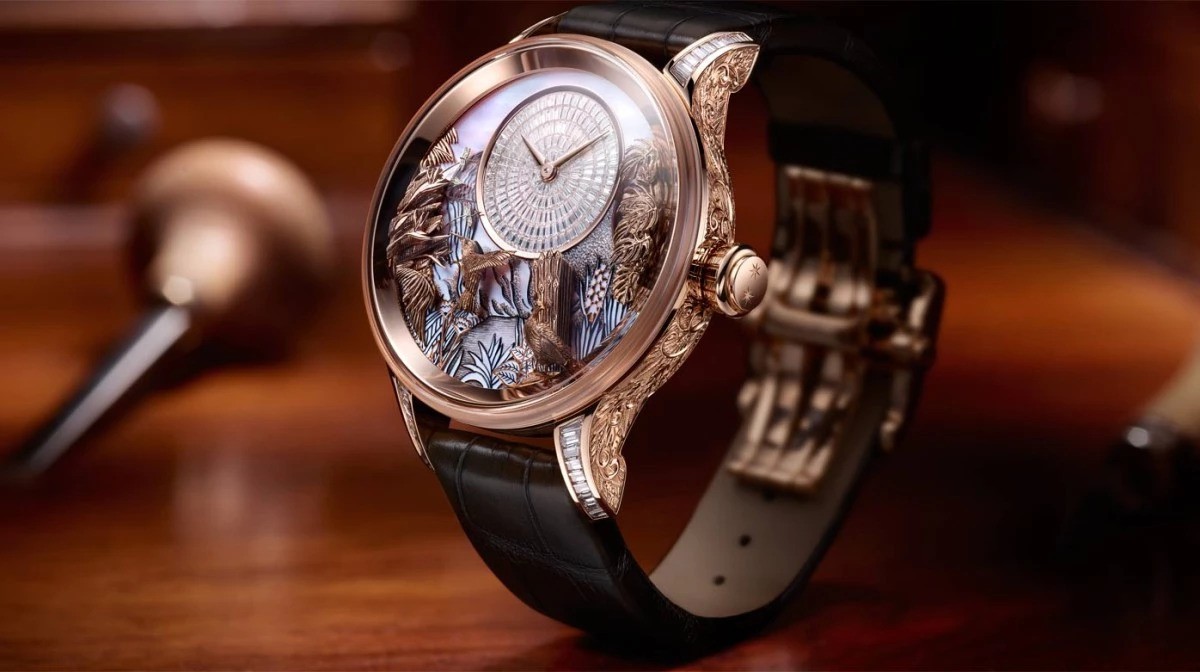
Sculptural Engraving: At the most ambitious end of the spectrum, artisans carve three-dimensional figures—animals, mythological creatures, even landscapes—transforming a watch into a narrative sculpture.
Why Collectors Adore Hand-Engraving
In an age dominated by machines, why does hand-engraving endure? For one, it is the ultimate expression of craftsmanship. Machines can replicate patterns, but they cannot replicate the nuance of a human hand—the subtle imperfections, the rhythm of carving that brings a design to life.
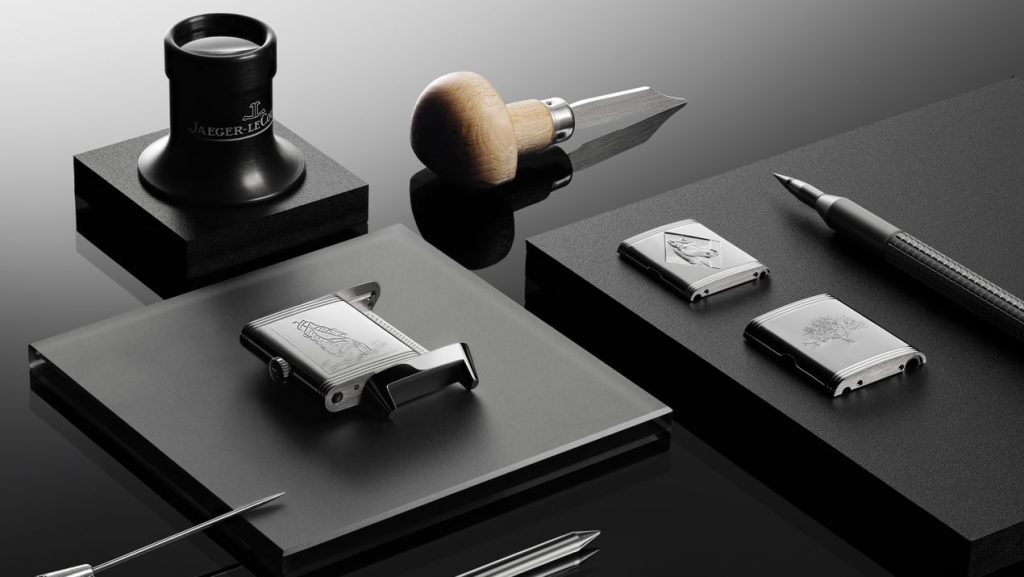
There’s also a deeply personal element. A hand-engraved watch carries a story, often tailored to its owner. Some collectors commission engravings of initials, family crests, or meaningful symbols. Others choose motifs that speak to their passions: a bird in flight, a celestial motif, or a miniature landscape.
And then there is the sheer beauty of hidden artistry. Movement bridges, rotors, and casebacks are often engraved in places no one sees at first glance. Yet the knowledge that such care exists, even in the hidden corners of a timepiece, adds layers of value and meaning.
Masters and Iconic Brands
Several maisons have made hand-engraving a hallmark of their craft:

- Vacheron Constantin: Their Métiers d’Art series often combines engraving with enameling, transforming watches into tiny, vibrant works of art.
- Patek Philippe: Known for engraved casebacks and meticulously finished movement bridges, often personalized for collectors.
- A. Lange & Söhne: Each balance cock is engraved by hand, making every watch subtly unique.
- Breguet: The name is almost synonymous with guilloché, a technique still practiced in the original workshops.
- Independent Artisans: Creators like Kari Voutilainen or Romain Gauthier embrace engraving to express artistic individuality, often blending contemporary design with centuries-old techniques.
These brands do more than decorate; they preserve history while pushing the boundaries of contemporary watchmaking.
Collecting with Intention
Collectors prize hand-engraved watches not only for their beauty but for the emotional resonance they carry. Each engraved watch is singular, a testament to human skill and creativity. Owning one feels less like buying a product and more like acquiring a legacy.
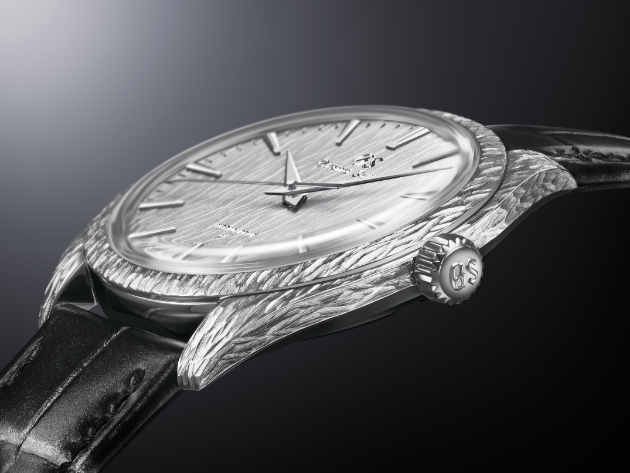
Think of it like this: a machine-made watch tells you what time it is. A hand-engraved watch tells you who made it, what they felt, and what stories they wanted to leave behind. That narrative, embedded in metal and enamel, is priceless.
The Future of Hand-Engraving Watches
Even as technology advances, the hand-engraver’s craft remains vital. Modern CNC machines and laser etching can mimic patterns perfectly, but they cannot replicate nuance, soul, or individuality. The scarcity of skilled artisans only adds to the allure and value of hand-engraved watches.

In a way, each hand-engraved timepiece is a quiet act of rebellion against uniformity and speed. It’s a reminder that some beauty requires patience, dedication, and love. And for those of us who admire watches not just for timekeeping but for artistry, that is reason enough to celebrate this enduring tradition.
Conclusion: Time Etched in Art
Hand-engraving transforms watches from instruments into art, from possessions into heirlooms. Every line and swirl is a dialogue between the past and the present, between the artisan and the wearer.

Next time you see a hand-engraved watch, pause for a moment. Let your eyes wander over the curves, the textures, the subtle imperfections. Imagine the hours spent in quiet focus, the centuries of tradition, the human touch. That is the true magic of hand-engraving: a kiss of artistry on the fleeting seconds of life, making time itself something to admire.
Featured image: Jaquet Droz

Sewelo is a world where jewelry, watches, and objects come alive in a shimmering dance of fantasy. Through a literary lens, we celebrate the beauty and elegance that make these treasures more than just possessions.