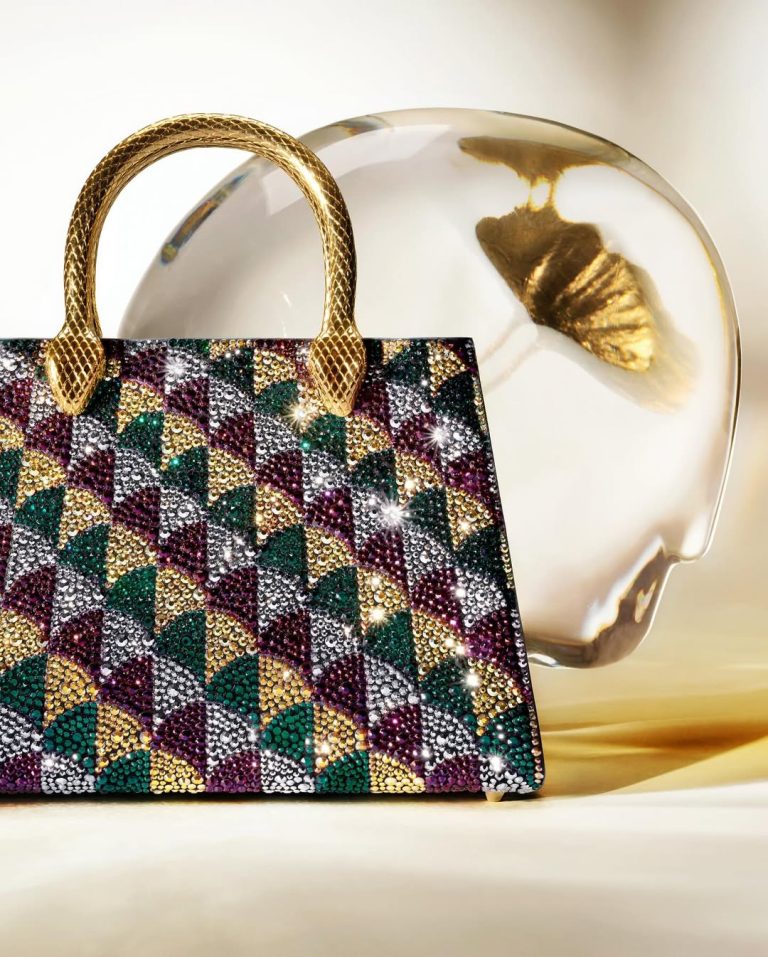
For centuries, garnet jewelry has captivated collectors with its extraordinary diversity far beyond the familiar deep red stones. While most people envision classic crimson when they think of garnets, this remarkable gemstone family encompasses a rainbow of colors—from vivid greens rivaling emeralds to fiery oranges, royal purples, and even rare color-changing varieties that shift from blue-green to purple-red depending on lighting. This versatility, combined with excellent durability and accessibility across price points, explains why garnet jewelry is experiencing a renaissance in both fine and high jewelry.
What makes garnet worthy of a second look? It’s the perfect convergence of exceptional color variety spanning nearly the entire spectrum, impressive hardness (7-7.5 for most varieties) suitable for daily wear, genuine rarity in certain types like demantoid and tsavorite, and a value proposition offering beauty comparable to precious gemstones at accessible prices. From Victorian Bohemian garnet clusters to contemporary tsavorite rings rivaling emeralds, garnets prove that January’s birthstone deserves recognition as a serious gemological treasure.

This comprehensive guide explores everything collectors and enthusiasts need to know—from understanding the garnet mineral group and its various species to identifying quality, navigating the market, and caring for these versatile gemstones.
What Is Garnet? Understanding the Gemstone Family
Unlike sapphire or emerald (specific mineral species), garnet gemstone refers to a group of closely related silicate minerals sharing similar crystal structures but varying in chemical composition. This distinction is crucial. Garnets aren’t a single stone but a family of minerals, each with distinctive characteristics.
The garnet group includes five primary species used as gemstones: Pyrope (magnesium aluminum silicate), Almandine (iron aluminum silicate), Spessartine (manganese aluminum silicate), Grossular (calcium aluminum silicate), and Andradite (calcium iron silicate). Additionally, Uvarovite (calcium chromium silicate) exists but rarely forms crystals large enough for faceting.
Why Garnets Come in Many Colors
The different chemical compositions create garnet’s remarkable color range. Pyrope and almandine produce red hues, with pyrope tending toward pure crimson and almandine showing darker, brownish reds. Spessartine creates orange to reddish-orange colors. Grossular yields the widest spectrum—colorless, yellow, orange, cinnamon brown (hessonite), and vibrant green (tsavorite). Andradite produces green (demantoid), yellow, brown, and black stones.

Many garnets are intermediate compositions between species, creating additional color variations. Rhodolite, a popular purplish-red garnet, represents a blend of pyrope and almandine. Malaya garnet combines pyrope and spessartine, producing peachy-pink to orange-brown hues.
Garnet Hardness and Durability
Most garnet gemstones rank 7-7.5 on the Mohs hardness scale, making them suitable for all jewelry types, including rings worn daily. This places them harder than quartz (7) but softer than sapphire (9) and diamond (10). Demantoid, the softest garnet variety at 6.5-7, still provides adequate durability for jewelry use with appropriate care.
Garnets’ toughness (resistance to breakage) is generally good, though stones with many inclusions may be more fragile. The combination of reasonable hardness and toughness makes garnets practical gemstones that can withstand regular wear when set properly.
A Brief History of Garnet Jewelry
Ancient Civilizations
Garnets rank among humanity’s oldest known gemstones. Ancient Egyptians adorned themselves with garnet jewelry as early as 3100 BCE, with garnets appearing in royal burials and archaeological sites throughout the Nile Valley. The pharaohs favored garnets as symbols of life and vitality.
The Romans crafted signet rings from garnets, carving intaglios (incised designs) that served as seals. Roman soldiers wore garnet talismans, believing they provided protection in battle. Greek mythology connected garnets to Persephone, who supposedly shed tears of garnet during her time in Hades’ underworld.


The Winfarthing pendant, discovered in England and dating to the 7th century Byzantine era, features sheet gold inlaid with cloisonné-set almandine garnets, demonstrating garnets’ importance in early medieval jewelry.
Medieval and Renaissance Eras
Throughout the Middle Ages, garnets adorned religious artifacts, royal regalia, and noble jewelry. Medieval scholar Albertus Magnus (1193-1280) wrote extensively about garnets, which were believed to illuminate the night. Noah supposedly used a garnet lantern to navigate the Ark through darkness.
The Czech Republic’s Bohemian region began mining distinctive pyrope garnets during the Middle Ages. By the 16th-17th centuries’ Renaissance period, Bohemian garnets gained widespread popularity among European royalty. The Habsburg dynasty, ruling over Bohemia, championed these fiery red stones. Empress Maria Theresa of Austria particularly favored Bohemian garnets, often gifting them to foreign dignitaries as symbols of imperial wealth.
Victorian Revival
The Victorian era (1837-1901) witnessed garnet’s greatest historical popularity. Bohemian garnets experienced explosive demand, with thousands of craftsmen operating hundreds of workshops in Bohemia. These deep red pyrope garnets, typically rose-cut to enhance their natural brilliance, were set in elaborate pavé arrangements covering entire jewelry surfaces.

Victorian garnet jewelry featured intricate designs—floral motifs, filigree work, and delicate settings showcasing the gems’ deep red hues. Queen Victoria herself wore garnets, cementing their fashionable status. The stones’ association with love, passion, and protection made them popular for engagement rings and romantic tokens.
Garnets’ affordability compared to rubies and diamonds allowed broad accessibility. Even non-wealthy citizens could afford garnet jewelry, which was mass-produced with increasingly sophisticated manufacturing techniques following the Industrial Revolution.
Modern and Contemporary Design
The late 19th century saw demantoid garnet’s discovery in Russia’s Ural Mountains (circa 1853), quickly becoming fashionable in turn-of-the-century jewelry. The 1960s brought tsavorite’s discovery in East Africa, championed by Tiffany & Co. in the 1970s as an emerald alternative.

Today, contemporary jewelers embrace garnets’ diversity. Green tsavorite and demantoid appear in high jewelry alongside traditional precious stones. Orange spessartine adds vibrant color to modern designs. Rhodolite provides affordable purple alternatives to amethyst and spinel. Color-change garnets command premium prices from connoisseurs.
Types of Garnet Used in Jewelry
Understanding garnet varieties helps collectors make informed choices and appreciate these gemstones’ remarkable diversity.
Almandine Garnet
Almandine, iron aluminum silicate, produces the most common red garnets—deep crimson to brownish-red stones familiar to most people. These garnets typically display excellent clarity and transparency, making them ideal for faceting.
- Characteristics: Color ranges from deep red to reddish-brown, often with darker, more somber tones than pyrope. High-quality almandine shows pure red without excessive brown modifiers. The stones typically lack eye-visible inclusions and take excellent polish.
- Durability and affordability: Almandine’s 7-7.5 hardness suits all jewelry applications. Large sizes are readily available since almandine commonly forms substantial crystals. This abundance makes almandine the most affordable garnet variety. Clean stones typically cost $5-$50 per carat, depending on quality and size.
Almandine’s accessibility and classic red color make it ideal for January birthstone jewelry and traditional garnet designs.
Pyrope Garnet
Pyrope, magnesium aluminum silicate, produces vivid crimson garnets prized for their pure red hues. The name derives from the Greek “pyropos,” meaning “fiery-eyed,” perfectly describing these intensely colored stones.
- Vivid crimson hues: Pyrope tends toward brighter, more vibrant reds than almandine, often displaying pure crimson without brown undertones. The finest specimens rival ruby’s color saturation while maintaining transparency.
- Historical importance: Bohemian garnets—pyrope garnets from the Czech Republic—represent historically significant gems that dominated Victorian jewelry. These small but intensely colored stones were set in dense clusters, creating jewelry that glowed like “live coals.”
- Pyrope typically costs $5-$50 per carat for standard quality, with exceptional Bohemian garnets commanding premiums. The variety’s historical significance and pure color make it collectible beyond its modest market price.
Spessartine Garnet
Spessartine, manganese aluminum silicate, creates orange to reddish-orange garnets beloved by collectors for their vivid, warm colors.

- Orange to mandarin garnets: Spessartine ranges from yellowish-orange through pure orange to reddish-orange. The most prized specimens—called “Mandarin” or “Fanta” garnets for their resemblance to the orange soda—display pure, intensely saturated orange. These vivid stones rival fire opal’s color while offering superior hardness.
- Collector appeal: High-quality Mandarin garnets are genuinely rare and command premium prices. Spessartine typically costs $50-$400 per carat, but exceptional Mandarin specimens can exceed $1,000 per carat. The variety often contains inclusions, making eye-clean stones particularly valuable.
Spessartine brings contemporary color to garnet jewelry, perfect for those seeking distinctive, modern gemstones.
Grossular Garnet
Grossular, calcium aluminum silicate, offers the widest color range of any garnet species. Two varieties dominate the jewelry market:

- Tsavorite (green): Discovered in Tanzania in 1967 and marketed by Tiffany & Co., tsavorite displays vivid emerald-green color that rivals the precious stone itself. Tsavorite’s advantages over emerald include superior clarity (emeralds are typically heavily included), greater durability, and untreated color (most emeralds are oiled).
- Tsavorite typically costs $500-$2,000 per carat for quality stones. Larger specimens (over 3 carats) become exponentially rarer, with prices reaching $5,000-$10,000+ per carat for exceptional examples. This makes tsavorite among the most valuable colored gemstones.
- Hessonite (cinnamon brown): Also called the “cinnamon stone,” hessonite displays warm honey-yellow to brownish-red colors. It often features a unique “roiled” or “heat-wave” internal appearance that collectors find attractive. Hessonite remains affordable at $20-$100 per carat, offering distinctive color at accessible prices.
Andradite Garnet
Andradite, calcium iron silicate, includes the rarest and most valuable garnet variety:

- Demantoid garnet: These green garnets, discovered in Russia’s Ural Mountains in 1868, feature brilliance exceeding even diamonds. The name “demantoid” means “diamond-like,” referencing their exceptional fire (dispersion of light into spectral colors).
Demantoid’s most famous characteristic is “horsetail” inclusions—wispy, golden needle-like inclusions resembling horse tails. Rather than detracting from value, these inclusions verify Russian origin and can dramatically increase worth. Russian demantoids with pronounced horsetails can command $20,000-$50,000+ per carat, while stones without these inclusions can cost $300-$1,000 per carat.
- Rarity and value: Demantoid ranks among the world’s rarest gemstones. Most stones remain under 2 carats, making larger specimens exceptionally valuable. Deposits exist in Russia, Namibia, and Madagascar, with Russian material most prized.
Color-Change Garnet
Color-change garnets, typically mixtures of pyrope and spessartine, display different colors under varying lighting conditions—blue-green or grayish-blue in daylight, shifting to purple-red or reddish-purple under incandescent light.
- Why it’s rare: Color-change garnets are genuinely scarce, found primarily in Madagascar, Tanzania, and Sri Lanka. The phenomenon results from the garnet containing specific combinations of chromium and vanadium that absorb and transmit different wavelengths depending on the light source.
- Day-to-night transformation: The dramatic color shift—sometimes described as “chameleon garnet”—creates jewelry that transforms from day to evening. Quality color-change garnets displaying strong color differences command $500-$1,000+ per carat, with exceptional specimens exceeding $2,000 per carat.

Blue garnets, thought impossible until discovered in 2016, represent the rarest garnets. Only small deposits have been found, with raspberry-blue varieties exceeding $80,000 per carat for stones over one carat.
Garnet Colors Explained
Red Garnet Myths vs Reality
The stereotype of garnets as dark, blackish-red stones reflects low-quality material rather than garnets’ true potential. While some garnets do display dark tones approaching black (particularly heavily included almandine), quality red garnets show beautiful, saturated crimson, ruby-red, or purplish-red hues with good transparency.
Pure red garnets without brown undertones exist but are relatively rare in sizes over half a carat. Most affordable red garnets show some brown component or darker tones. This doesn’t diminish their beauty, though. Many people prefer garnets’ deeper, more mysterious reds to ruby’s bright crimson.
Beyond Red: The Color Spectrum
Garnets span nearly the entire color spectrum except pure blue (until the recent discovery of incredibly rare blue garnets). Green tsavorite and demantoid rival emerald’s hue. Orange spessartine creates sunset tones. Purple rhodolite offers amethyst alternatives. Pink malaya garnets provide romantic options. Brown hessonite brings earthy warmth. Even colorless grossular exists, though it’s rarely used in jewelry.
How Color Affects Value
Within each garnet variety, color significantly impacts value. For red garnets, pure reds without brown modifiers command premiums. For tsavorite, vivid emerald-green outdoes yellowish-green. For spessartine, pure orange “Mandarin” specimens far exceed brownish-orange stones.
Saturation matters enormously. Deeply saturated colors with strong intensity are more valuable than pale, washed-out tones. Tone (lightness/darkness) should allow the color to be visible. Excessively dark garnets appear nearly black, while too-light stones look washed out.
Natural vs Treated Color
Garnets are unusual among gemstones in that they’re almost never treated. Unlike sapphires and rubies (routinely heat-treated), garnets naturally achieve saturated colors without enhancement. This untreated status appeals to purists seeking completely natural gemstones.
Some demantoid garnets undergo heat treatment to improve color, though this is uncommon. When buying garnets, you can assume they’re natural and untreated unless specifically disclosed otherwise. However, do ensure to ask.
What Makes Garnet Jewelry Valuable?
Understanding value factors helps collectors assess garnet jewelry quality and make informed purchases.
Color Saturation

Color is king for all garnets. Deep saturation with pure hues commands premiums. A bright, vivid tsavorite outvalues a grayish-green specimen. An electric orange spessartine exceeds a brownish stone. A bright red pyrope surpasses a dark, brownish almandine. Look for colors that appear rich and intense without being so dark they lose transparency or so light they appear washed out.
Clarity and Inclusions
Expected clarity varies by garnet type. Red garnets (pyrope, almandine, rhodolite) should be eye-clean with no visible inclusions. Spessartine and hessonite commonly contain inclusions, making eye-clean specimens more valuable. Demantoid represents the exception. The famous “horsetail” inclusions increase rather than decrease value when pronounced, as they verify Russian origin and add character. Other inclusions in demantoid detract from value.
Cut and Brilliance
Well-cut garnets maximize brilliance and color. Standard shapes (rounds, ovals, cushions) allow easy setting into jewelry. Precision cutting with good proportions, symmetrical faceting, and quality polish creates optimal light return. Expensive garnets like tsavorite and demantoid are often cut to preserve maximum weight from rough, sometimes at the expense of ideal proportions. This represents acceptable trade-offs for rare materials.
Size and Rarity

Value increases with size, but the relationship varies by garnet type. Almandine commonly occurs in large sizes, so carat weight increases don’t dramatically affect per-carat prices. Conversely, tsavorite and demantoid rarely exceed 2-3 carats, making larger specimens exponentially more valuable. A 5-carat almandine might cost $100-$250 total, while a 5-carat tsavorite could command $25,000-$50,000.
Origin
Origin significantly affects the value of certain garnets. Russian demantoid commands premiums over Namibian or Madagascan material. Kenyan and Tanzanian tsavorite are equally valued. Czech Bohemian garnets carry a historical premium for antique jewelry. Provenance adds value when documented, though most garnets are sold without specific origin identification.
Famous Garnet Sources Around the World
Russia: Demantoid Garnet
Russia’s Ural Mountains, particularly near the Bobrovka River, produce the world’s finest demantoid garnets. Discovered in 1868, these green gems quickly gained popularity, appearing in jewelry by Peter Carl Fabergé and other prestigious jewelers until the Russian Revolution disrupted mining in 1919. Russian demantoids with pronounced horsetail inclusions remain the most sought-after and expensive garnets, commanding $20,000-$50,000+ per carat for exceptional specimens.
Tanzania and Kenya: Tsavorite

Tsavorite’s discovery in Tanzania’s Merelani Hills in 1967 by geologist Campbell Bridges revolutionized the colored gemstone market. Bridges later found deposits in Kenya’s Tsavo National Park, which inspired the name tsavorite (coined by Tiffany & Co.). East African tsavorite provides the finest green garnets available, with deposits still producing today. However, large tsavorites remain rare, explaining their premium pricing.
Namibia and Nigeria: Spessartine
Namibia produces exceptional Mandarin garnets, particularly from the Kunene region. These vivid orange specimens represent some of the most collectible spessartines. Nigeria’s Jos Plateau also yields fine Mandarin garnets, though production has decreased in recent years. Both sources produce the pure orange color that defines premium spessartine.
Sri Lanka: Color-Change Garnet

Sri Lanka (Ceylon) produces color-change garnets alongside its famous sapphires. While not as prolific as Madagascar or Tanzania for this variety, Sri Lankan color-change garnets often display strong color shifts with good clarity.
Czech Republic: Bohemian Garnets
The Czech Republic (historically Bohemia) has produced pyrope garnets since medieval times. These deep red stones, set in dense clusters, created the distinctive Victorian jewelry style still collected today. While Bohemian garnet mining continues on a smaller scale, antique pieces featuring these historical gems remain highly collectible.
Garnet Jewelry vs Other Red Gemstones
Garnet vs Ruby
This comparison arises frequently since both are red gemstones, though they differ significantly:
- Color: Ruby displays pure, bright red to pinkish-red (finest examples show “pigeon blood” red). Garnets typically show deeper, darker reds, often with brown or purple modifiers.
- Hardness: Ruby ranks 9 on the Mohs scale versus garnet’s 7-7.5. Both suit jewelry well, though ruby resists scratching better.
- Price: Ruby costs dramatically more—$1,000-$15,000+ per carat for quality stones, while most red garnets cost $5-$100 per carat. This makes garnet an accessible alternative for those seeking red gemstone jewelry.
- Treatment: Most rubies are heat-treated to improve color. Garnets are natural and untreated, appealing to purists.
- Rarity: Fine rubies are genuinely rare. Red garnets are relatively common, though specific varieties like color-change garnets rival ruby’s scarcity.
Garnet vs Spinel
Red spinel provides another comparison point:
- Color: Both can show similar red hues, with spinel sometimes displaying purer reds than garnet.
- Price: Spinel costs more than garnet but less than ruby, typically $100-$1,000+ per carat.
- Recognition: Spinel suffers from lower recognition than garnet, though this is changing as spinel gains appreciation.
Both make excellent jewelry stones offering beauty without ruby’s premium prices.
Why Garnet Is Often Misunderstood
Garnets’ reputation as “cheap” or “dark” stones stems from abundant low-grade material and a lack of awareness about premium varieties. Most people have only seen dark almandine or common pyrope, never experiencing tsavorite’s vivid green, demantoid’s fiery brilliance, or spessartine’s sunset orange.
This misunderstanding creates opportunities. Educated collectors can acquire spectacular garnets at prices far below comparable-looking precious stones.
How to Buy Garnet Jewelry
Choosing the Right Garnet Type
Consider your preferences and intended use:
- For durability and daily wear: Pyrope, almandine, rhodolite, and tsavorite (hardness 7-7.5) excel in rings worn regularly.
- For special occasions: Demantoid (6.5-7 hardness) suits pendants and earrings better than daily-wear rings, though protective settings enable regular wear.
- For color preferences: Red garnets for traditional looks, green tsavorite for emerald alternatives, orange spessartine for contemporary designs, purple rhodolite for amethyst alternatives.
- For budget: Almandine and pyrope offer affordability, rhodolite and hessonite provide mid-range options, while tsavorite and demantoid represent investment pieces.
What to Ask Jewelers
When purchasing garnet jewelry, inquire:

- What specific garnet variety is this (pyrope, almandine, tsavorite, etc.)?
- Is the garnet natural or synthetic?
- Has it been treated in any way?
- What is the country of origin (if known)?
- What is the carat weight and exact dimensions?
- Is the garnet eye-clean, or does it have visible inclusions?
- What is the metal type and purity?
Natural vs Synthetic Garnets
Synthetic garnets exist but are uncommon in jewelry. They’re typically used for industrial applications or costume jewelry. Natural garnets are so abundant and affordable that synthetics rarely make economic sense. When buying quality garnet jewelry, assume stones are natural unless dealing with suspiciously low prices or unclear sourcing. Reputable jewelers clearly distinguish natural from synthetic.
Certificates and Transparency
Most garnets don’t receive formal certification from gemological laboratories unless they’re exceptional specimens or expensive varieties like tsavorite and demantoid. For significant purchases, request independent certification from laboratories like GIA, which provides species identification, treatment disclosure, and quality assessment. For less expensive varieties, rely on reputable jewelers’ expertise and guarantees rather than requiring certification for every stone.
Vintage vs Modern Garnet Jewelry

Vintage garnet jewelry, particularly Victorian Bohemian pieces, offers:
- Historical significance and antique charm
- Unique designs reflecting period aesthetics
- Potential appreciation as antiques
However, vintage pieces may show wear, require authentication expertise, and feature smaller stones in styles not universally appealing.
Modern garnet jewelry provides:
- Contemporary designs suiting current tastes
- Pristine condition
- Variety of garnet types (including recently discovered tsavorite)
- Maker warranties and return policies
Both categories offer value, so choose based on personal aesthetic preferences and collecting goals.
How to Care for Garnet Jewelry
Durability and Daily Wear
- Garnets’ 6.5-7.5 hardness makes them suitable for daily wear jewelry with reasonable precautions. Harder varieties (pyrope, almandine, rhodolite, grossular, including tsavorite) at 7-7.5 resist scratching well. Demantoid at 6.5-7 requires slightly more care but remains practical for regular wear.
- Remove garnet jewelry before activities involving impacts, harsh chemicals, or abrasives. This includes exercising, gardening, cleaning, and manual labor.
Cleaning Garnet Safely
- Clean garnets with warm water, mild dish soap, and soft cloths or brushes. Gently scrub to remove dirt and oils, rinse thoroughly, and dry with a lint-free cloth.
- Avoid ultrasonic cleaners and steam cleaners, which can damage garnets or loosen settings. Never use harsh chemicals, bleach, or abrasive cleaners.
- For valuable garnet jewelry or heavily soiled pieces, professional cleaning by experienced jewelers ensures safe maintenance.
Storage Tips
- Store garnets separately from harder gemstones (diamonds, sapphires, rubies) that could scratch them. Individual soft pouches, lined jewelry boxes, or wrapped pieces prevent contact damage.
- Avoid extreme temperatures and prolonged direct sunlight, though garnets are generally stable and unlikely to fade or change color with reasonable exposure.
When to Remove Garnet Jewelry
Remove garnets before:
- Swimming (chlorine and saltwater)
- Applying lotions, perfumes, or cosmetics
- Cleaning with chemicals
- Activities involving hand impacts
- Any situation exposing jewelry to harsh conditions
Following “jewelry last on, first off” protects garnets while allowing regular enjoyment.
Garnet Meaning, Symbolism & Birthstone Significance
January Birthstone
Garnet serves as January’s birthstone, making garnet jewelry a meaningful gift for those born in the year’s first month. The tradition of birthstones traces to ancient times, with garnets representing January since at least the 15th century.
Cultural and Historical Symbolism
Throughout history, garnets have symbolized:
- Love and passion: The deep red color associates garnets with heart’s desire, making them popular in engagement rings and romantic tokens.
- Protection: Ancient travelers carried garnet talismans believing they provided safety during journeys. Warriors wore garnets for protection in battle.
- Guidance and light: Garnet’s name connection to pomegranate seeds (Latin “granatum” meaning grain) linked them to abundance and life. Noah’s legendary garnet lantern symbolized guidance through darkness.
- Fidelity and friendship: Victorian sentiment associated garnets with lasting affection and faithful relationships.
Emotional and Spiritual Associations
Modern crystal healing traditions attribute various properties to garnets based on color:
- Red garnets (pyrope, almandine) represent vitality, passion, grounding, and connection to physical energy.
- Green garnets (tsavorite, demantoid) resonate with heart chakra, promoting prosperity, emotional healing, and renewal.
- Orange garnets (spessartine) inspire creativity, confidence, and joyful expression.
Whether or not one believes in metaphysical properties, garnets’ rich symbolism adds meaning to jewelry beyond aesthetic beauty.
Frequently Asked Questions About Garnet Jewelry
Is garnet a real gemstone?
Yes, garnets are legitimate gemstones—natural minerals prized for beauty, durability, and rarity. The garnet group includes multiple species, each a distinct mineral. Garnets have been treasured for over 5,000 years and appear in jewelry from ancient Egypt to contemporary high jewelry. Their classification as semi-precious rather than precious reflects historical convention, not inherent value—some garnets like tsavorite and demantoid command prices rivaling emeralds.
Can garnet be worn every day?
Yes, most garnets suit daily wear jewelry. With hardness of 7-7.5, varieties like pyrope, almandine, rhodolite, and tsavorite resist scratching well and withstand normal wear. Demantoid, slightly softer at 6.5-7, can be worn daily with protective settings and reasonable care. Remove garnets during high-risk activities (sports, manual labor, chemical exposure) to prevent damage. With sensible precautions, garnet rings, earrings, and pendants provide lasting beauty through regular wear.
Why is garnet less expensive than ruby?
Several factors make most garnets more affordable than rubies: garnets (particularly red varieties) are more abundant than fine rubies, rubies’ status as “precious” stones creates premium pricing regardless of actual rarity, garnets lack ruby’s brand recognition and marketing despite comparable beauty, and ruby’s extreme hardness (9 vs 7-7.5) makes it more durable. However, rare garnets like Russian demantoid with horsetails can exceed ruby prices. Garnet’s accessibility makes it democratically beautiful—offering stunning color without ruby’s premium.
What is the rarest garnet?
Blue garnets, discovered in 2016, are the rarest—only two small deposits have been found, already depleted. Among more available varieties, Russian demantoid with pronounced horsetail inclusions ranks as rarest, commanding $20,000-$50,000+ per carat. Color-change garnets displaying strong shifts are also exceptionally scarce. Large (3+ carat) tsavorites are genuinely rare, as are fine Mandarin spessartines. Rarity varies by specific characteristics—a common almandine is abundant, while a large, clean, vivid-colored specimen of any variety becomes collectible.
Does garnet fade over time?
No, garnets do not fade. Their colors are stable and permanent under normal conditions. Unlike some gemstones susceptible to light exposure (kunzite, for example), garnets maintain their hues indefinitely. This color stability, combined with being naturally untreated, makes garnets reliable for heirloom jewelry. Extremely high temperatures could potentially affect garnets, but normal jewelry wear—even decades of daily use—won’t diminish color. Antique garnet jewelry from the Victorian era still displays vibrant colors after 150+ years, proving garnets’ lasting beauty.
Conclusion: Why Garnet Jewelry Belongs in Every Collection
Garnet jewelry deserves recognition far beyond its reputation as January’s birthstone. These remarkably diverse gemstones offer something for every taste—from classic red pyrope honoring centuries of tradition to contemporary tsavorite rivaling emerald’s beauty, from affordable almandine providing accessible entry to rare demantoid commanding investment-level prices.
Understanding garnets’ true nature, a family of minerals spanning the color spectrum rather than a single “dark red stone,” reveals opportunities for collectors. Educated buyers can acquire spectacular gems at prices dramatically below comparable precious stones. A vivid tsavorite costs less than equivalent emeralds. A fiery demantoid offers diamond-exceeding brilliance at a fraction of the price. Even “common” garnets provide beauty, durability, and history.
Whether you’re drawn to garnet’s rich history spanning ancient Egypt to contemporary high jewelry, captivated by specific varieties like sunset-hued spessartine or mysterious color-change stones, or simply seeking beautiful, durable gemstones at accessible prices, garnets deliver. With the knowledge from this guide—understanding types, evaluating quality, recognizing fair pricing, and providing proper care—you’re equipped to explore garnet jewelry confidently and build collections bringing lasting satisfaction.
Featured image: Bvlgari

Amanda Akalonu is dedicated to weaving together the worlds of jewelry, watches, and objects through a lens of literary storytelling.