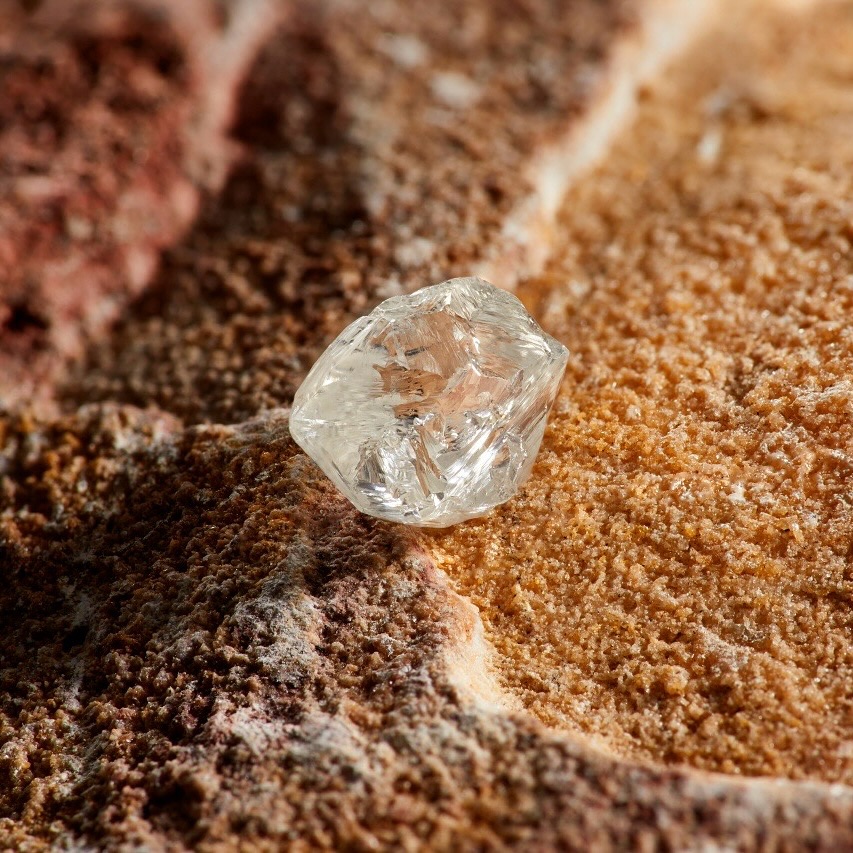

De Beers has raised prices on 5-carat and larger rough diamonds at its February 2026 sight in Botswana, marking a significant shift in pricing strategy as diamond manufacturers scramble to secure the increasingly scarce premium rough goods. The De Beers price hike comes amid severe shortages of large rough diamonds both at the miner and across the open market, reflecting how production cuts implemented over the past two years have created unexpected scarcity in the high-value segment of the rough diamond market.
A Strategic Response to Supply Constraints
The price increase, implemented during De Beers’ regular sight held this week in Gaborone, Botswana’s capital, represents the company’s response to intense demand for large rough diamonds, a category that has proven remarkably resilient even as the broader diamond market has faced significant headwinds. Unlike smaller rough diamonds, which face intense competition from laboratory-grown alternatives, 5-carat and larger natural rough diamonds continue to command strong demand from manufacturers serving the high-end jewelry market.
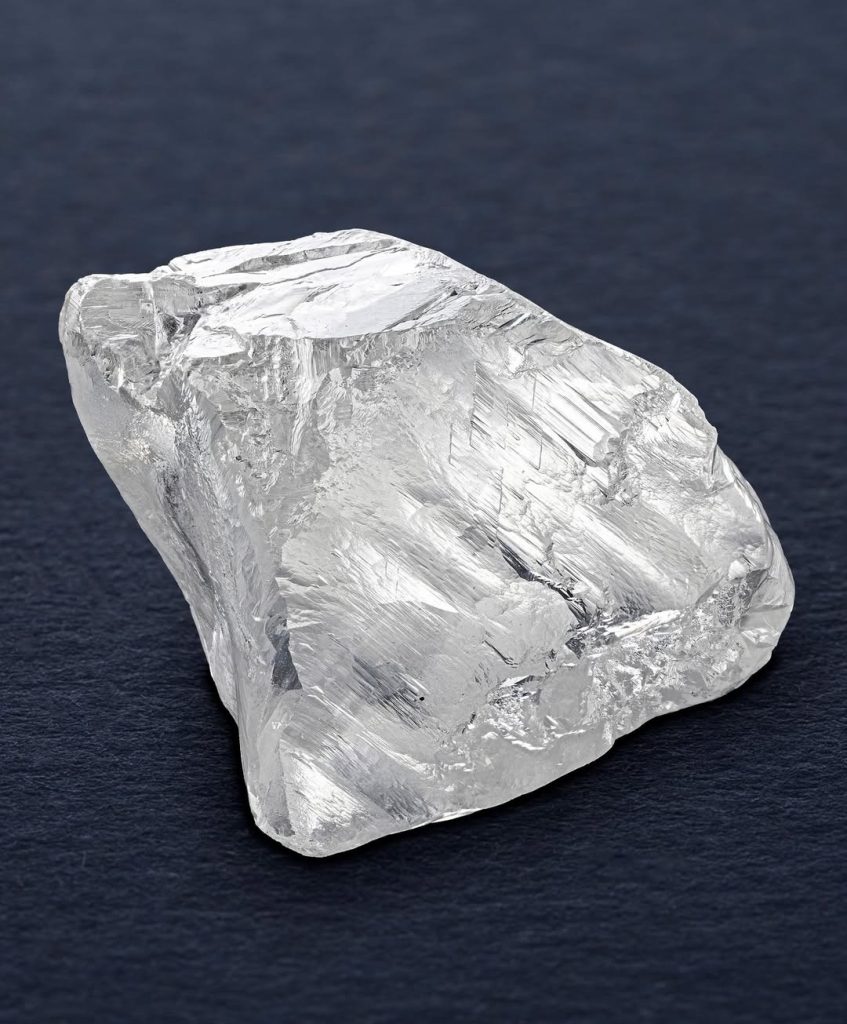
According to industry sources, the De Beers price hike specifically targets this premium segment, where competition from lab-grown diamonds remains minimal. Wealthy consumers continue to view large, rare natural diamonds as both luxury purchases and stores of value, creating sustained demand that has outstripped the reduced supply resulting from production cutbacks across the diamond mining industry.
Production Cuts Create Unintended Scarcity
The shortage of large rough diamonds that prompted the De Beers price hike stems directly from the company’s deliberate production reductions over the past two years. In response to weak overall market conditions, declining polished diamond prices, and increased competition from lab-grown diamonds, De Beers has dramatically curtailed mining operations across its portfolio.
In 2025, De Beers’ production decreased by 12 percent to 21.7 million carats, down from 24.7 million carats in 2024. The company has also revised its 2026 production forecast downward significantly, changing guidance from an original range of 26 to 29 million carats to a new projection of 21 to 26 million carats. These production cuts, implemented at mines in Botswana, Namibia, South Africa, and Canada, were designed to align supply with prevailing demand and preserve value in a challenging market environment.
However, while the strategy successfully addressed excess inventory in smaller, lower-quality goods, it inadvertently created shortages in the large rough diamond category. Since demand for premium stones remained stable or even increased while production across all size categories declined proportionally, manufacturers now find themselves competing for limited supplies of the exact goods their high-end clients want most.
The Bifurcating Diamond Market
The De Beers price hike on large rough diamonds underscores a growing bifurcation in the diamond market between premium natural stones and the mass-market segment increasingly dominated by lab-grown alternatives. In its 2025 financial results released in February 2026, De Beers noted that demand for larger, higher-quality diamonds continued to rise throughout the year, even as demand for smaller, lower-quality diamonds faced significant challenges from increased lab-grown diamond supply.

This market split reflects fundamentally different consumer behaviors and purchase motivations. For engagement rings and fashion jewelry featuring smaller diamonds, many consumers, particularly younger buyers, now view lab-grown diamonds as acceptable or even preferable alternatives, given their lower prices and identical physical properties. The result has been severe price pressure on smaller natural rough diamonds, with some categories seeing prices decline by as much as 65 percent over the past year.
Large natural diamonds, by contrast, occupy a different market position. Buyers in this segment typically prioritize rarity, heritage, investment value, and long-term value retention, attributes that lab-grown diamonds cannot match, regardless of their physical characteristics. This sustained demand for premium natural stones, combined with reduced supply from production cuts, created the perfect conditions for the De Beers price hike announced this week.
Implications for Diamond Manufacturers and Retailers
For diamond manufacturers and cutters who rely on steady supplies of large rough diamonds, the De Beers price hike presents both challenges and opportunities. On one hand, higher input costs will squeeze margins unless these increases can be passed through to polished diamond prices. Given that polished diamond prices have remained under pressure in most categories, this pass-through may prove difficult to achieve fully.
On the other hand, manufacturers who can secure allocations of large rough diamonds may find themselves in an advantageous position as the shortage intensifies. The scarcity of premium rough creates natural barriers to entry for new competitors and may ultimately support higher polished prices as finished goods become equally scarce. Retailers serving affluent clients with a demand for larger diamond jewelry may face inventory challenges but should also experience less price competition as available supply tightens.
Sightholder Dynamics and Market Access
De Beers distributes its rough diamonds primarily through its Global Sightholder Sales system, where select manufacturers—known as sightholders—receive regular allocations of rough diamonds at predetermined prices. The company holds ten sights per year, during which sightholders view their allocated boxes of rough diamonds and must accept or decline the offered quantities and prices.

The De Beers price hike on large rough diamonds at the February sight likely caught some sightholders by surprise, given that overall market conditions remain challenging and De Beers has generally avoided significant price increases over the past year. However, given the severe shortage of 5-carat and larger rough, sightholders have limited alternatives. The open market for such goods has proven equally tight, with manufacturers reporting difficulty sourcing large rough from secondary suppliers.
This dynamic gives De Beers significant pricing power in the premium rough segment, even as the company faces ongoing challenges in the broader market. The price increase demonstrates that despite its diminished market share compared to historical levels (De Beers now controls roughly 30 percent of global rough diamond supply, down from over 80 percent at its peak), the company retains considerable influence in specific high-value categories.
Looking Ahead
The De Beers price hike arrives at a pivotal moment for the diamond industry. Parent company Anglo American is currently pursuing a sale of the De Beers business as part of a broader strategic restructuring focused on copper and other metals used in electric vehicle production. The government of Botswana, which already owns 50 percent of the Debswana joint venture that operates De Beers’ Botswana mines, has emerged as a potential buyer.

The ability to command price increases for premium goods even in a challenging market environment may actually enhance De Beers’ attractiveness to potential acquirers, demonstrating that the business retains pricing power in valuable market segments. However, questions remain about the long-term sustainability of the natural diamond market as lab-grown alternatives continue gaining market share and consumer acceptance.
For now, the shortage of large rough diamonds and the corresponding De Beers price hike signal that at least one segment of the natural diamond market remains healthy, with demand exceeding available supply. Whether this premium niche can sustain the broader industry as mass-market goods face increasing pressure from synthetic alternatives remains one of the diamond trade’s most pressing questions.
Featured images: De Beers

Sewelo is a world where jewelry, watches, and objects come alive in a shimmering dance of fantasy. Through a literary lens, we celebrate the beauty and elegance that make these treasures more than just possessions.