
Gaborone / Luanda / London – A historic shake-up in the global diamond industry is underway as De Beers, the iconic diamond company currently 85 % owned by Anglo American, is officially being placed on the market. Botswana and Angola, two of Africa’s largest diamond-producing nations, are actively exploring acquisition opportunities, raising the possibility of a transformative shift in diamond industry ownership.
Anglo American has confirmed its intention to divest its majority stake in De Beers as part of a broader strategy to focus on other commodities. While no final sale has been confirmed, reports indicate that Botswana and Angola are both in advanced discussions about potential bids. Analysts suggest the sale could be valued at roughly US$4–5 billion, though market conditions and financing structures may influence the final transaction.
Botswana Eyes Majority Control
Botswana already owns a 15 % stake in De Beers through its joint venture with the company, Debswana, and provides approximately 70 % of its rough diamond supply. For Gaborone, acquiring a controlling stake in De Beers is framed not only as an economic move but also as a step toward greater resource sovereignty.
The Botswana government has appointed financial advisers, including Lazard Ltd and Swiss-based Compagnie Bancaire Helvétique, to help evaluate the transaction and structure a potential bid. Sources close to the government suggest that Botswana could aim for a controlling stake of 50 % or more, potentially giving the country direct influence over production, pricing, and marketing strategies.
Angola’s Bid Signals Ambition
Meanwhile, Angola has entered the fray through its state-owned diamond company, Endiama. The country has submitted a formal bid for a majority stake in De Beers, signaling an intent to move from a raw material producer to a strategic player in diamond branding and marketing.
However, Angola’s Finance Ministry has stated that the national budget will not be used to finance the acquisition, meaning that alternative funding sources will be required to support the bid. Analysts are watching closely to see how Luanda structures its offer, whether independently or potentially in collaboration with Botswana.
Botswana and Angola Engage in Talks
Recent reports indicate that ministers from Botswana and Angola held discussions in early November to explore possible cooperation in the acquisition process. While details remain confidential, these talks suggest that the two countries could either compete or potentially form a joint bid for De Beers. The outcome could reshape power dynamics in the global diamond industry, particularly in Africa.
Strategic Implications
If successful, the acquisitions could fundamentally shift De Beers from a globally managed multinational to a company increasingly influenced by the countries supplying its diamonds. Potential benefits include:
- Economic sovereignty: For Botswana, controlling De Beers would consolidate its role in diamond extraction and marketing.
- Market leverage: Ownership would give both countries influence over global pricing, marketing campaigns, and supply chain decisions.
- Value chain integration: Angola could leverage its ownership to move beyond raw diamond exports into high-value branding and retail.
- Industry influence: African ownership could redefine how the diamond industry is structured, potentially encouraging more local beneficiation and processing.
Challenges and Risks
Despite the potential rewards, there are significant hurdles:
- Financing: With De Beers valued at several billion dollars, both countries will need robust financing strategies, particularly Angola.
- Regulatory approvals: Botswana has pre-emptive rights on De Beers transactions and may block any deal that does not meet its approval.
- Market volatility: The diamond sector faces challenges from lab-grown alternatives and fluctuating demand, which may affect valuations.
- Operational complexity: De Beers’ operations include mining, processing, marketing, and retail across multiple countries. Transitioning ownership could present logistical challenges.
Global Impact
A successful transfer of De Beers ownership to Botswana and/or Angola would mark a historic milestone, representing a shift from European corporate control to African producer-led governance. This could influence pricing strategies, marketing approaches, and the global balance of the diamond trade.
The move also sends a broader message about resource sovereignty, potentially inspiring other resource-rich nations to explore similar control over key industries.
What to Watch
Key developments to follow in the coming months include:
- Submission of formal bids by Botswana and Angola, and whether these are competing or cooperative.
- Anglo American’s timeline for finalizing the sale.
- Financing arrangements, including any private or public partnerships.
- Regulatory responses from Botswana and potential input from other African stakeholders.
- Reactions from the global diamond market, including changes in rough diamond prices and marketing strategies.
A Historic Opportunity
For decades, De Beers has represented the pinnacle of the diamond industry—a company synonymous with global influence and the branding of luxury gemstones. The potential acquisition by Botswana and Angola signals a new chapter, one where the diamond-producing nations themselves take the reins of production and marketing.
Whether this move will ultimately succeed remains uncertain, but one thing is clear: the balance of power in the diamond world may be shifting, and Africa could emerge as the dominant player, not just in production but in strategy, branding, and global influence.
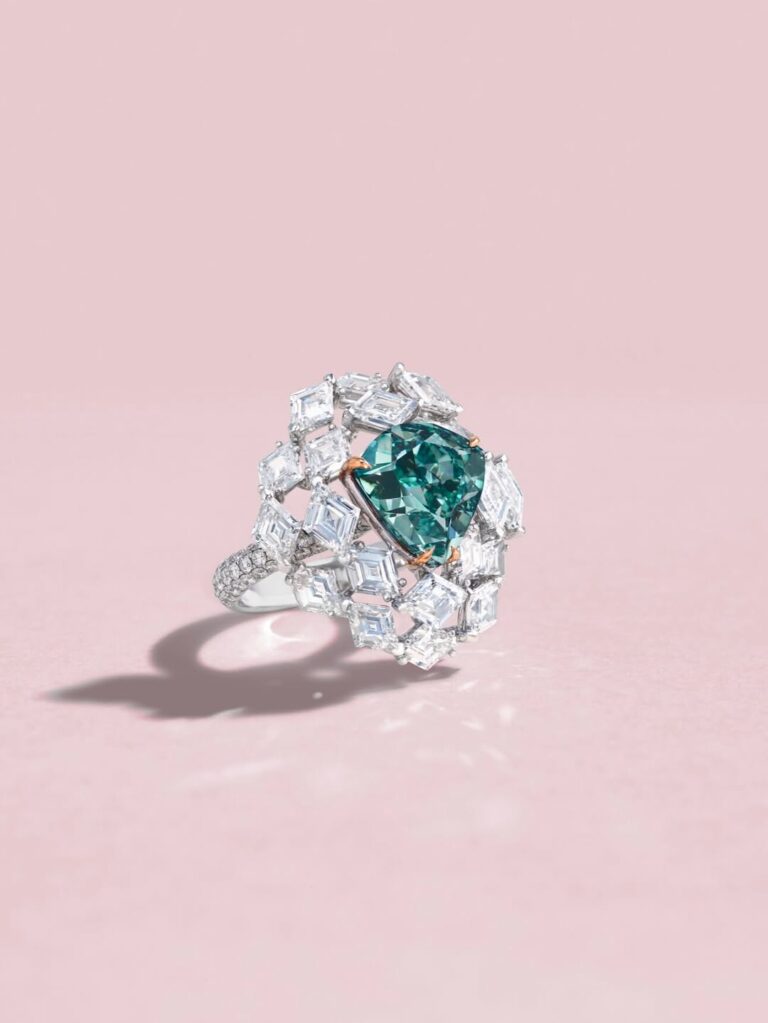
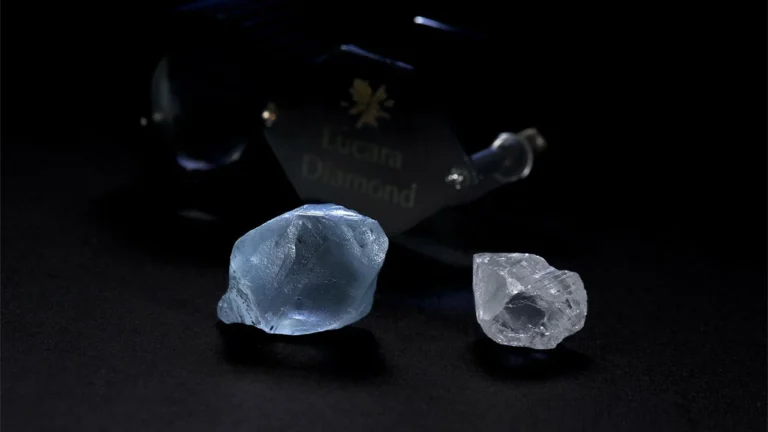
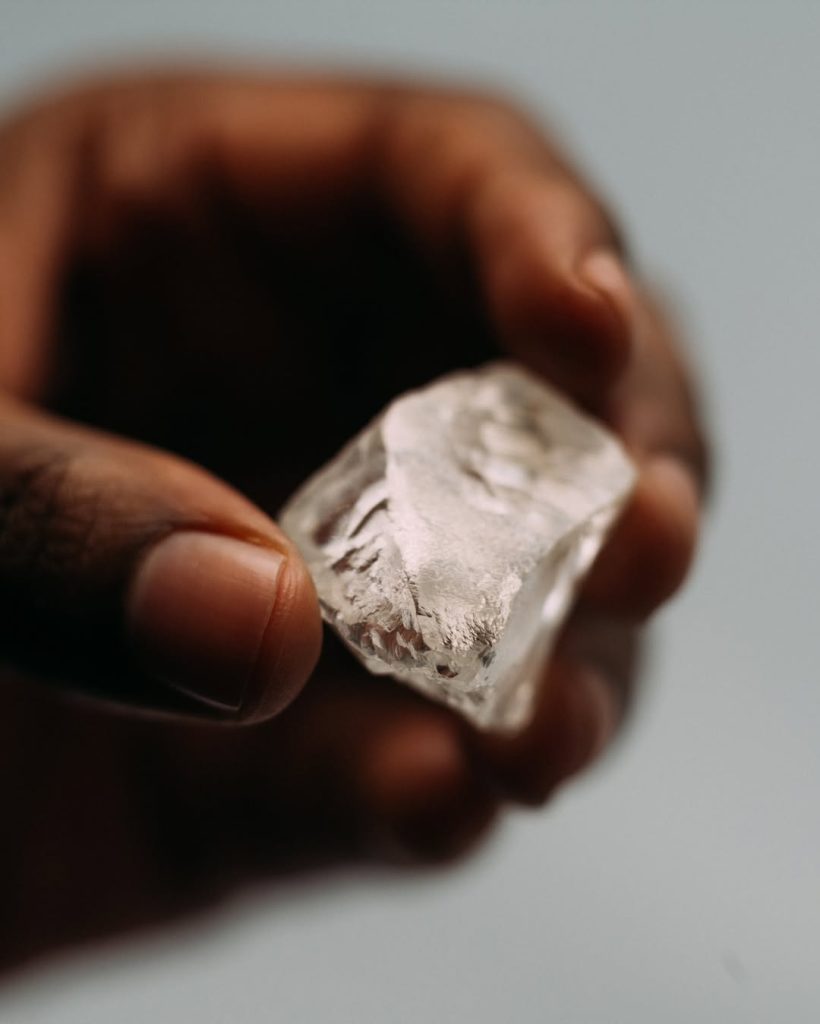
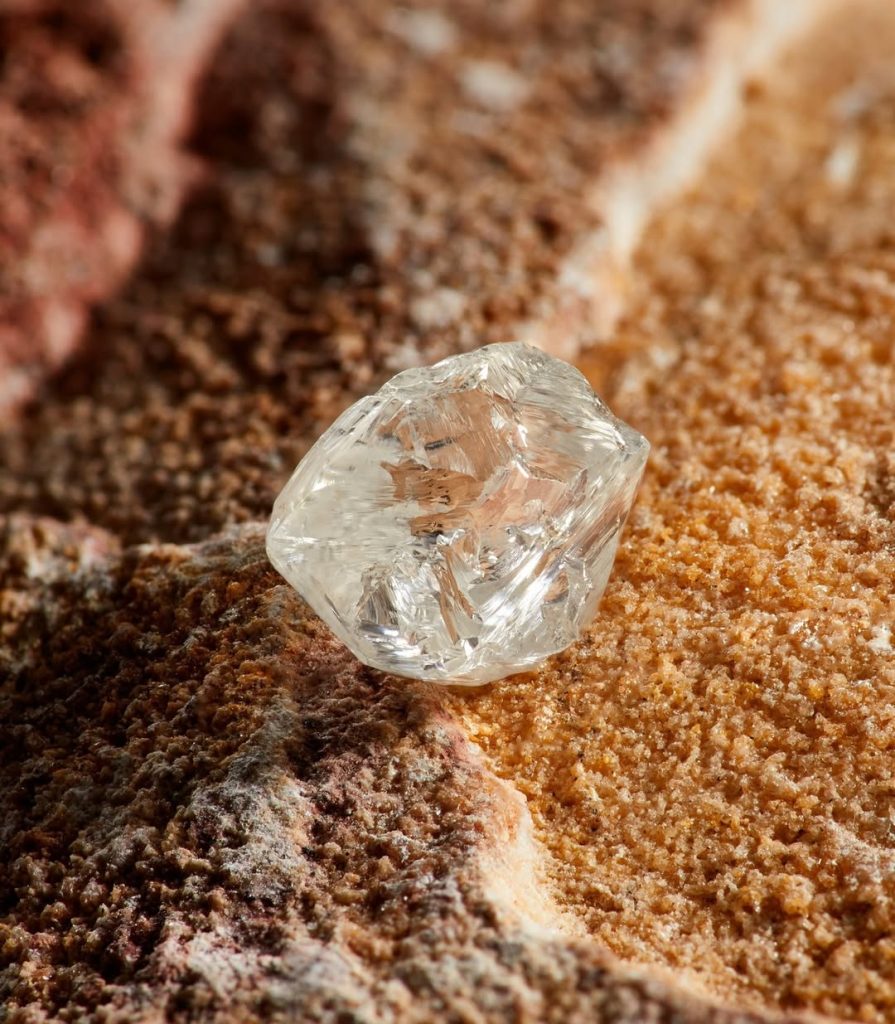
Featured images: De Beers

Sewelo is a world where jewelry, watches, and objects come alive in a shimmering dance of fantasy. Through a literary lens, we celebrate the beauty and elegance that make these treasures more than just possessions.