
Opals are the gemstones of fire, light, and mystery—captivating treasures that seem to hold entire galaxies within their depths. Unlike any other gemstone, opals shimmer with an ethereal play-of-color that shifts and dances with every movement, making each piece utterly unique. From the dramatic intensity of black opals to the warm, sunset hues of fire opals, these mesmerizing gems have enchanted jewelry lovers for centuries.
Whether you’re drawn to the subtle elegance of a white opal necklace, the bold statement of a fire opal ring, or the sophisticated allure of black opal earrings, understanding these extraordinary gemstones will help you choose, care for, and style your opal jewelry with confidence. This comprehensive guide covers everything you need to know about opals—from their geological origins to practical care tips, styling inspiration, and answers to your most pressing questions.
What Are Opals?
Opals are a hydrated amorphous form of silica, containing between 3% and 21% water by weight. This unique composition gives opals their distinctive characteristics and sets them apart from crystalline gemstones like diamonds or sapphires. The mesmerizing play-of-color that opals are famous for occurs when tiny spheres of silica diffract light, creating flashes of spectral colors that seem to float within the stone.
This phenomenon, called opalescence or iridescence, can display virtually any color of the rainbow—brilliant reds, fiery oranges, electric blues, vibrant greens, and even deep purples. The specific colors visible in any opal depend on the size and arrangement of the silica spheres within the stone, making each opal genuinely one-of-a-kind.
Opals form in diverse geological environments, and their origins significantly influence their appearance and value. Australia produces approximately 95% of the world’s precious opals, particularly the highly prized black opals from Lightning Ridge and white opals from Coober Pedy. Ethiopian opals, discovered more recently, offer exceptional transparency and vivid play-of-color. Mexican fire opals are renowned for their warm, translucent body colors ranging from yellow to deep red. Brazil also produces notable opal specimens, particularly white and crystal varieties.
Types of Opal Jewelry
The world of opal jewelry encompasses several distinct varieties, each with unique characteristics that appeal to different tastes and styles.
White Opal Jewelry
White opals, also called light opals or milky opals, feature a pale or white body tone with play-of-color dancing across their surface. These opals typically display softer, more pastel color flashes against their light background, creating a delicate and ethereal appearance. White opals are among the most common precious opals, making them an accessible entry point for opal jewelry enthusiasts.
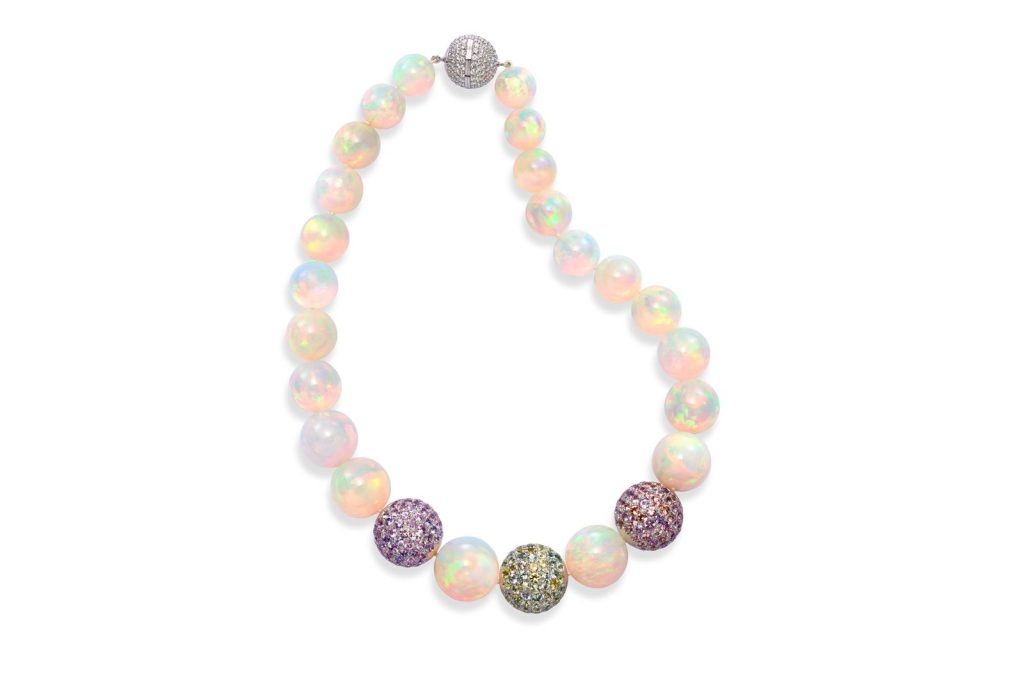
White opal jewelry works beautifully in classic settings. Opal rings with white stones look stunning in yellow or rose gold, which warms their cool tones. Pendants and opal necklaces featuring white opals create an elegant, understated look suitable for both casual and formal occasions. The gentle play of color in white opals makes them versatile pieces that complement virtually any wardrobe.
Black Opal Jewelry
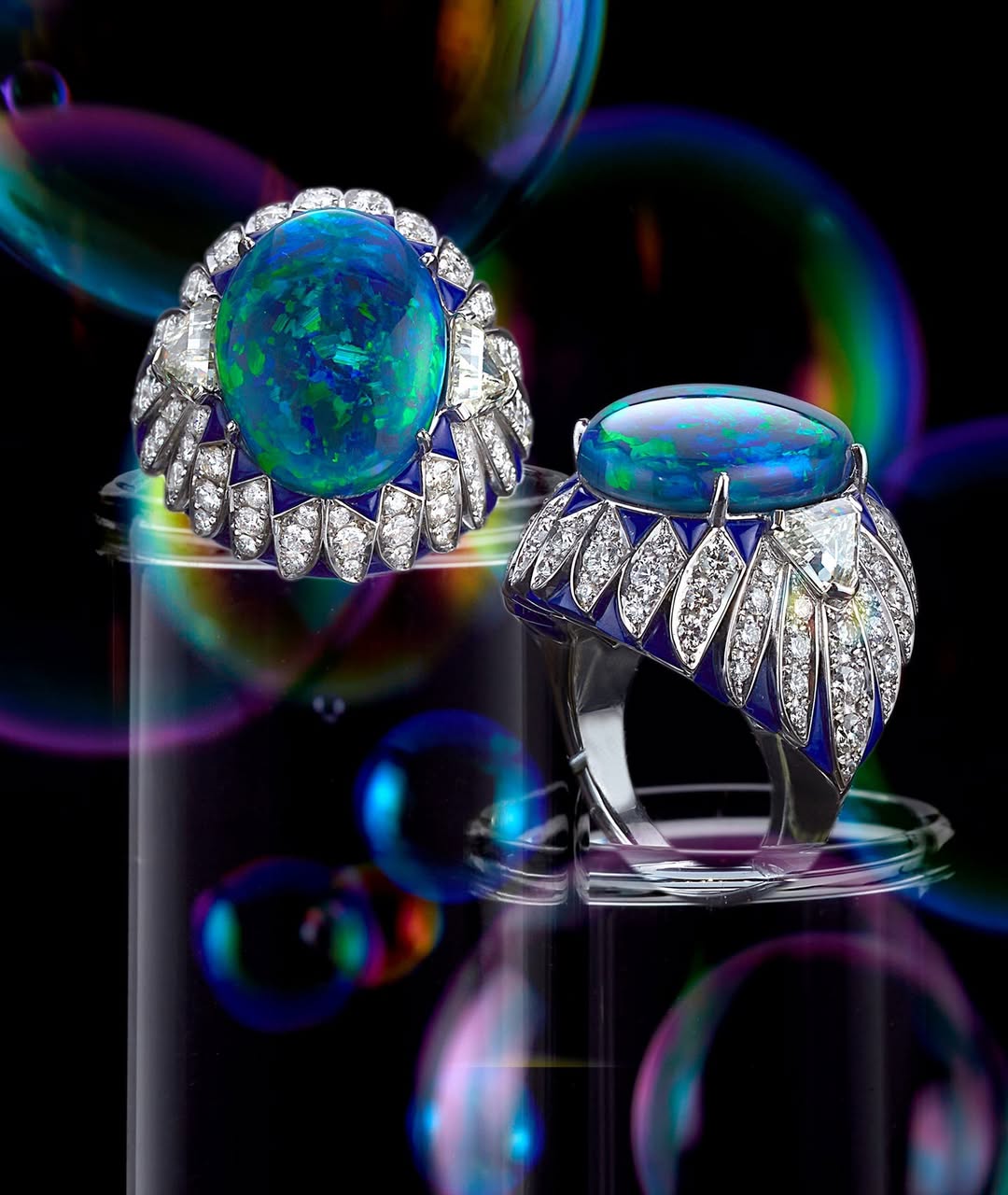
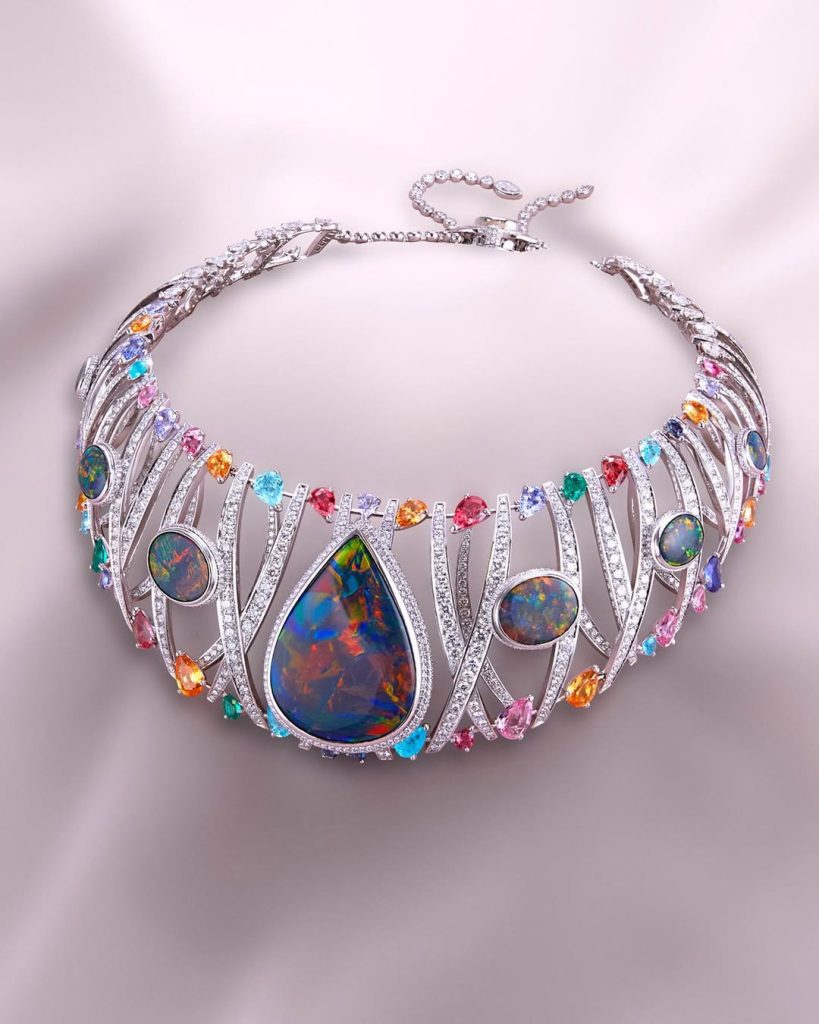
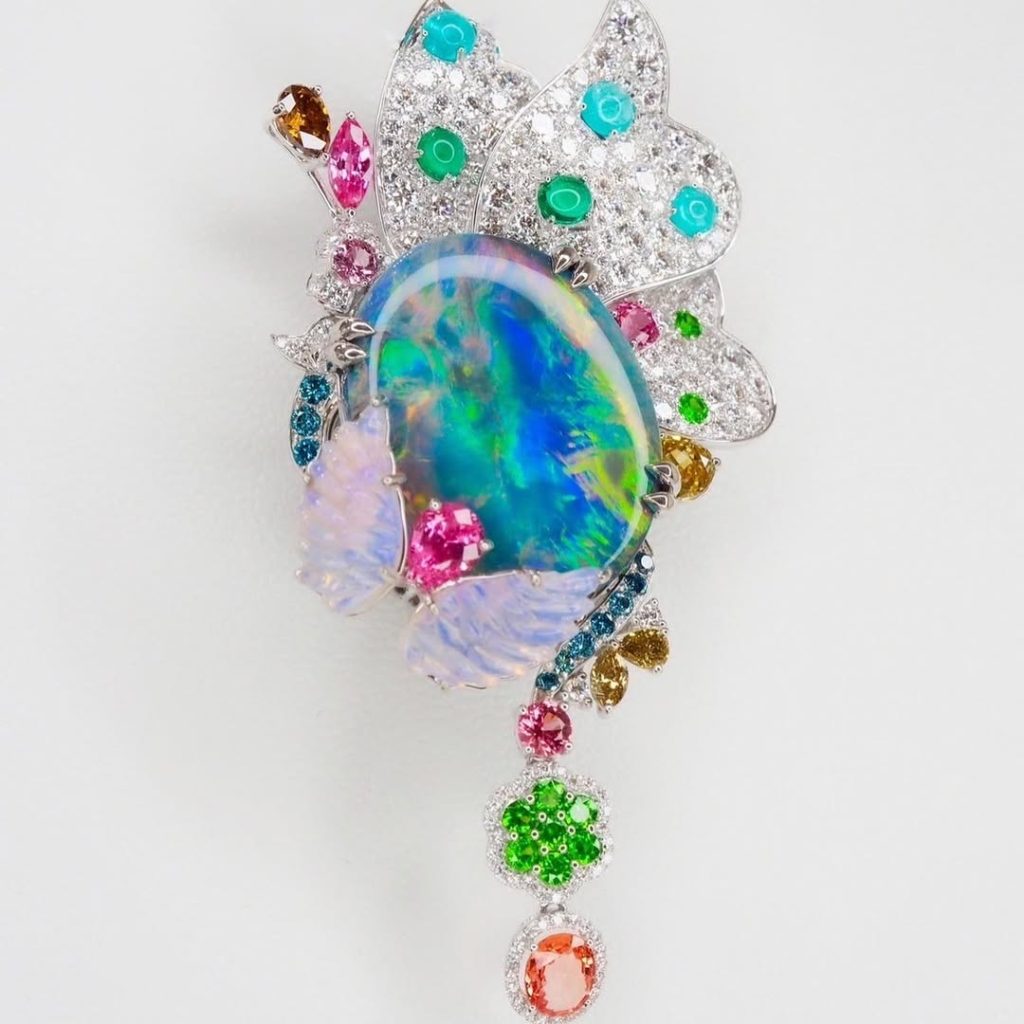
Black opal jewelry represents the pinnacle of opal collecting, featuring a dark body tone that ranges from dark gray to jet black. This dark background serves as a dramatic canvas for the opal’s play-of-color, making the spectral flashes appear more vivid and intense than in lighter opals. The contrast between the dark body and brilliant color play creates a visual impact unmatched by any other gemstone.
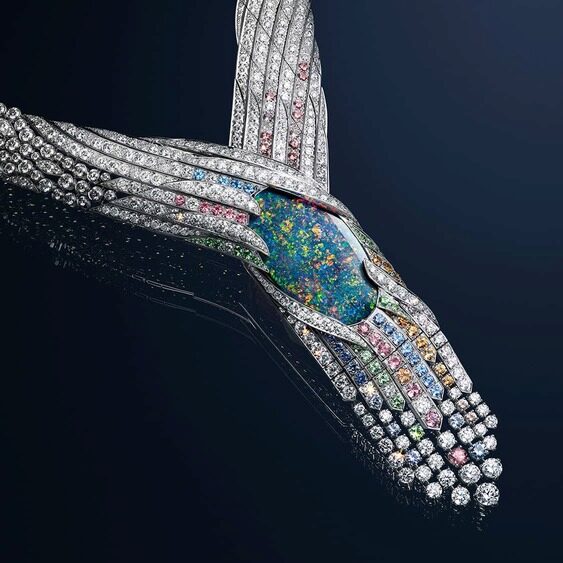
Black opals are exceptionally rare, found primarily in the Lightning Ridge area of New South Wales, Australia. This scarcity, combined with their stunning appearance, makes black opal jewelry among the most expensive and sought-after in the gem world. Premium black opals can command prices rivaling or exceeding fine diamonds.
A black opal ring makes a show-stopping alternative to traditional engagement rings, while black opal earrings add sophisticated drama to evening wear. The intensity and depth of black opals make them perfect statement pieces that capture attention without appearing ostentatious.
Fire Opal Jewelry
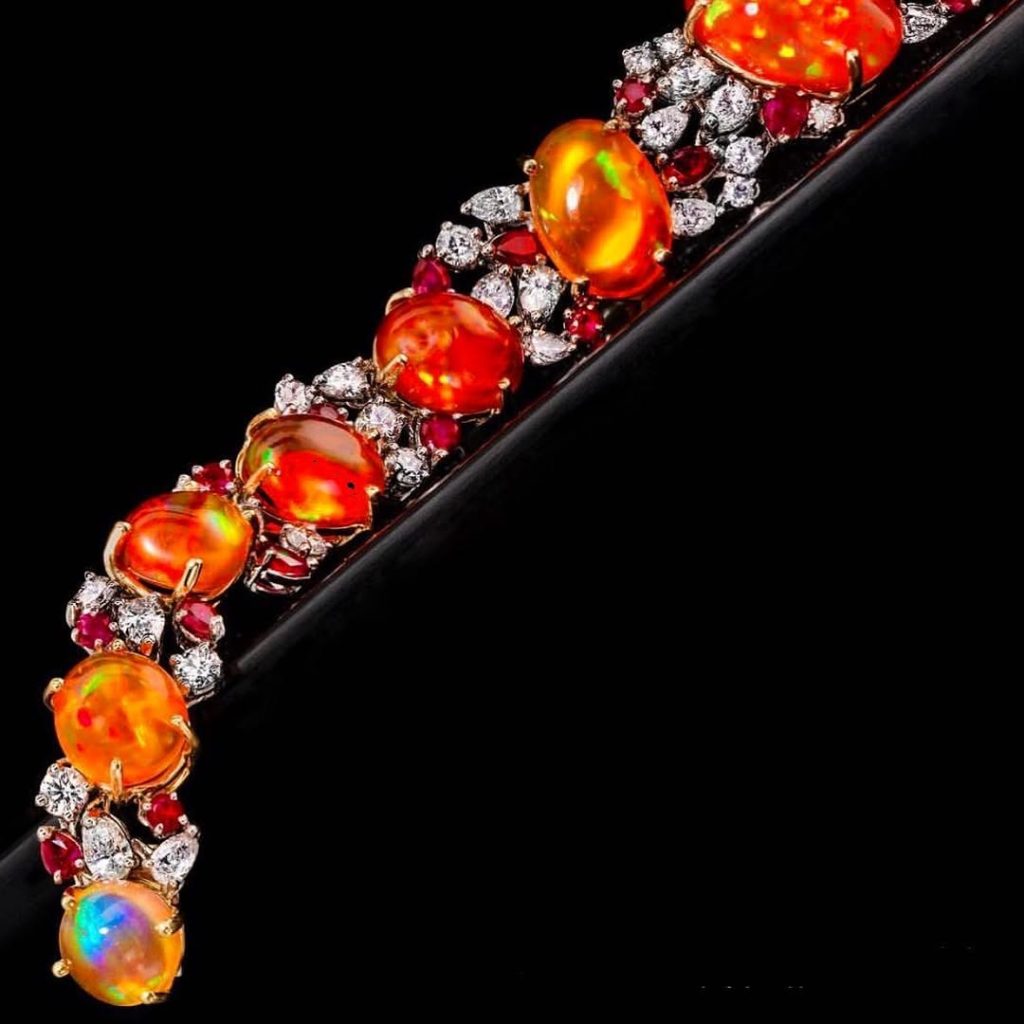
Fire opals break the traditional opal mold with their distinctive warm body colors rather than relying primarily on play-of-color. These Mexican treasures range from transparent to translucent, displaying vibrant yellow, orange, red, and sometimes even pink body colors that seem to glow from within. While some fire opals exhibit play-of-color, many are valued purely for their spectacular body color.
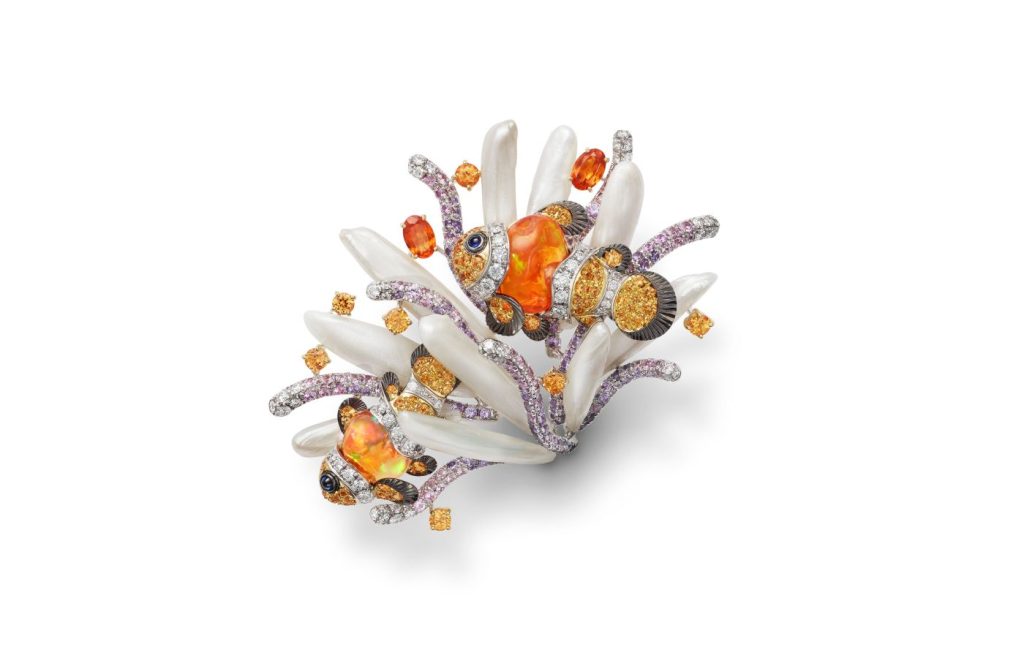
The transparent to translucent nature of fire opals allows light to pass through them, creating a luminous effect unlike opaque opals. This quality makes fire opal jewelry particularly striking when backlit or in natural sunlight. Fire opals evoke warmth, passion, and energy. Think of it as a sunset captured in gemstone form.
Fire opal rings are increasingly popular for those seeking unique, colorful cocktail rings. A fire opal necklace becomes an instant conversation piece, while fire opal earrings add a pop of warm color to any ensemble. The bold personality of fire opals suits fashion-forward individuals who aren’t afraid to stand out.
Boulder Opal Jewelry
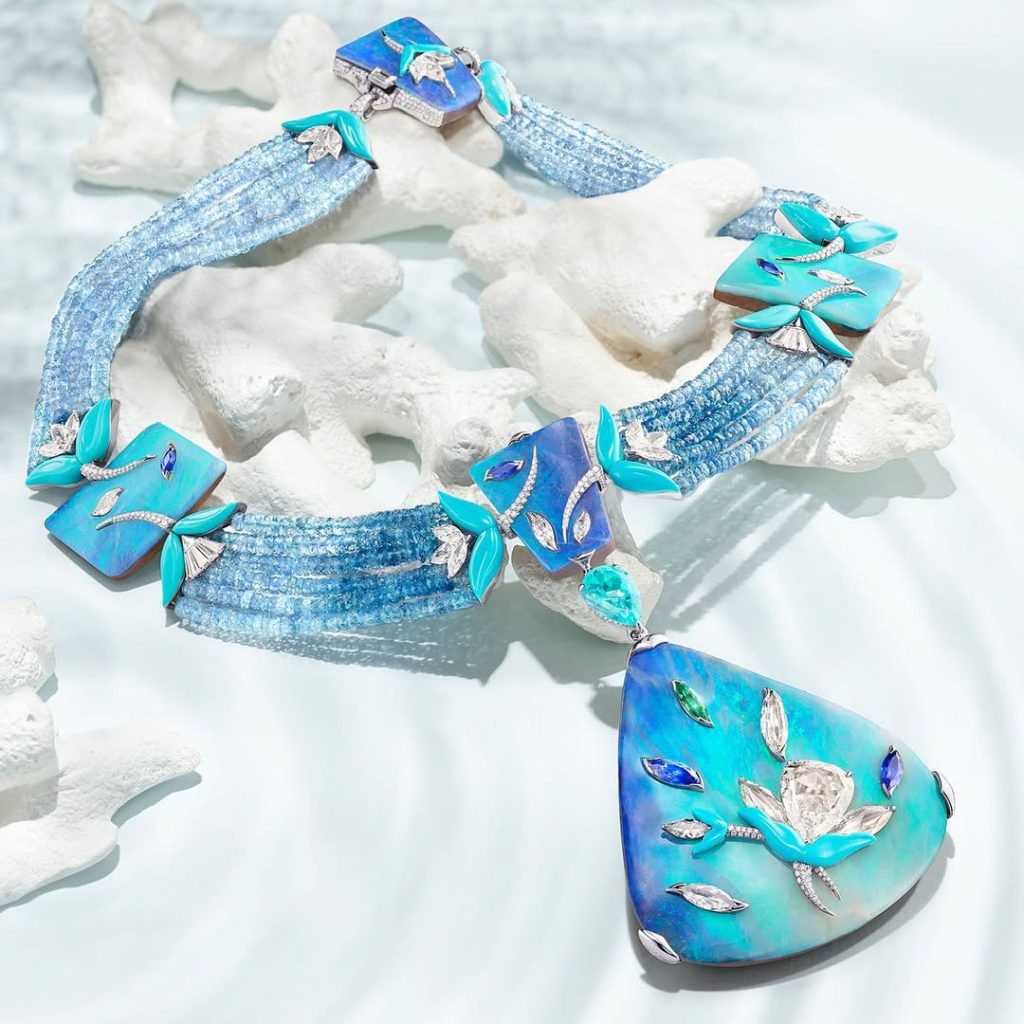
Boulder opals form within ironstone host rock, with the precious opal appearing as veins, patches, or layers adhered to the natural brown boulder. Rather than removing all the host rock, boulder opals are typically cut to include this backing, which becomes an integral part of the stone’s character and beauty. The irregular patterns where opal meets ironstone create uniquely organic designs that cannot be replicated.
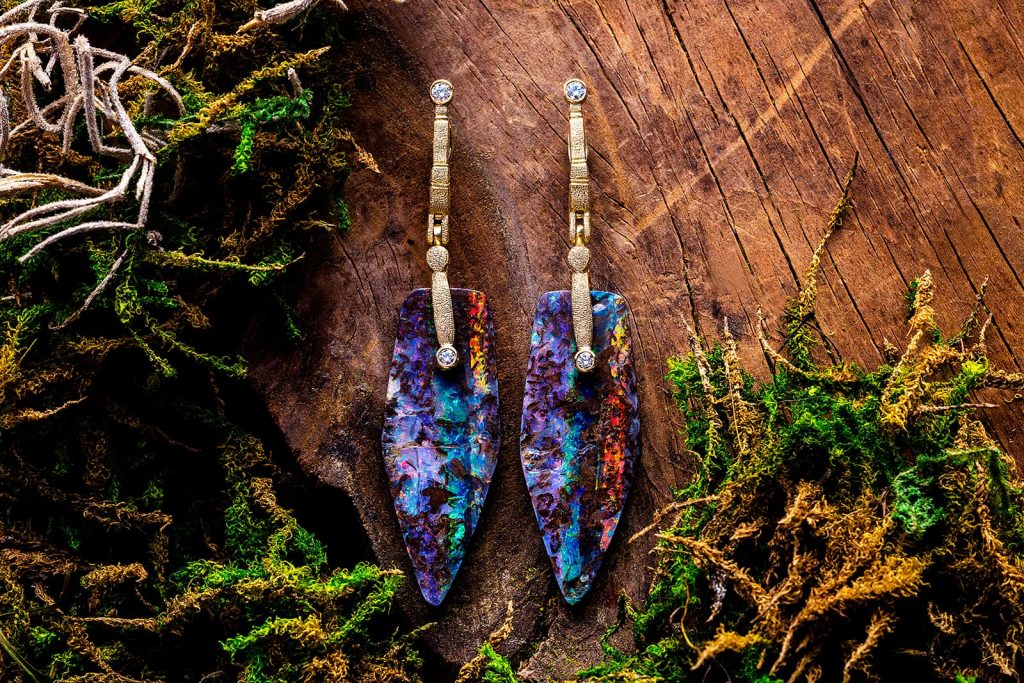
The ironstone backing provides structural support, making boulder opals more durable than other opal varieties. This natural reinforcement allows boulder opals to be used in jewelry that sees regular wear, including rings and bracelets. Each boulder opal piece is a miniature landscape, showcasing nature’s artistry in creating these fascinating gems.
Boulder opal jewelry appeals to those who appreciate natural, organic aesthetics and earthy tones. The combination of brilliant opal color play against dark ironstone creates a striking visual contrast while maintaining a connection to the stone’s geological origins.
Crystal Opal Jewelry
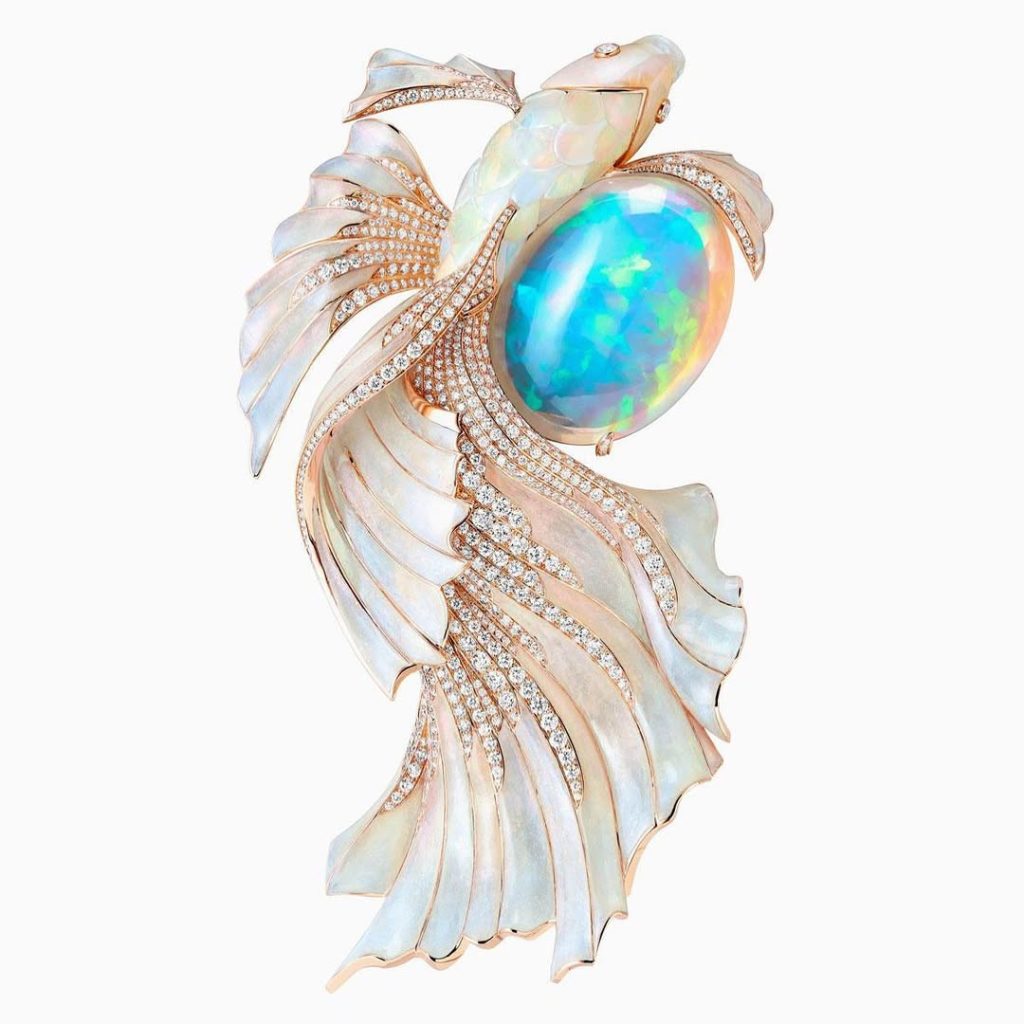
Crystal opals are transparent to semi-transparent precious opals with exceptional clarity that allows you to see into and through the stone. This transparency gives crystal opals a three-dimensional quality, as their play-of-color appears to float within the stone’s depths rather than just across its surface. When light passes through a quality crystal opal, the effect is magical—like capturing liquid light.
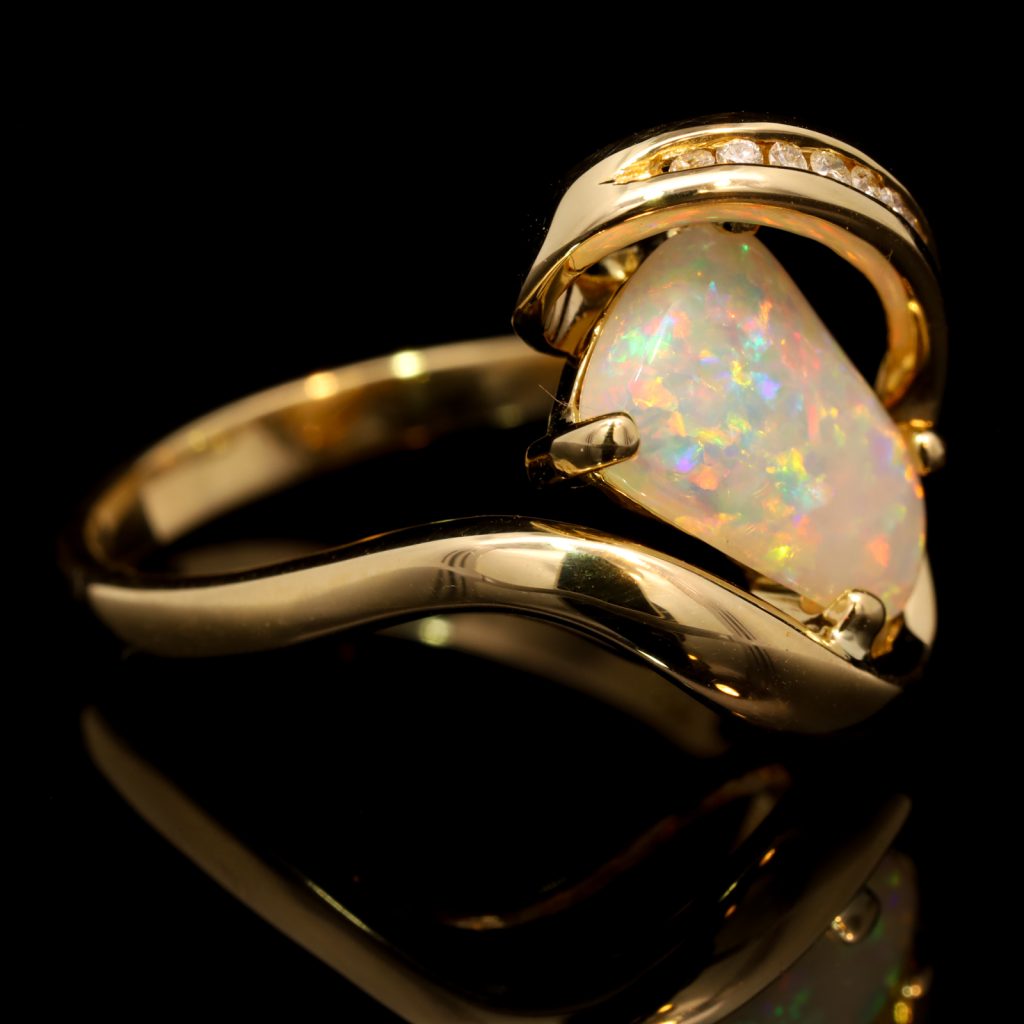
Crystal opals can have body tones ranging from completely colorless to slightly milky or gray, but their defining characteristic is their transparency. High-quality crystal opals with strong play-of-color are highly valued and can command premium prices, though typically less than black opals of comparable quality.
Crystal opal jewelry has a modern, clean aesthetic that works beautifully in contemporary settings. The transparency of crystal opals makes them ideal for designs where light can pass through the stone, such as drop earrings or pendant designs that allow backlighting.
Pink Opal Jewelry
Pink opals are a common opal variety characterized by their soft, pastel pink to coral body color. Unlike precious opals, pink opals typically don’t display play-of-color; instead, they’re valued for their delicate, opaque pink hues ranging from pale baby pink to deeper salmon and peachy tones. The majority of pink opals come from Peru, though they’re also found in Australia and other locations.
Pink opals form from volcanic activity and contain palygorskite and quartz alongside the silica, which contributes to their distinctive coloring. These opals have a porcelain-like appearance with a smooth, creamy texture that evokes feelings of gentleness and romance. Some specimens display subtle color variations or patterns within the pink, adding visual interest.
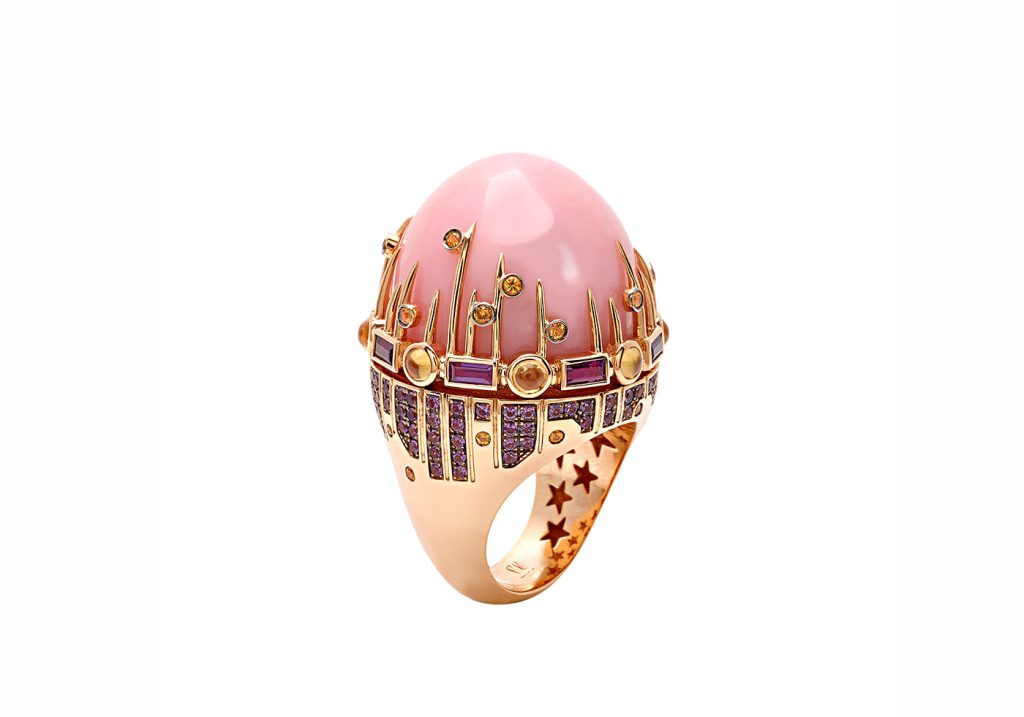
Pink opal jewelry has surged in popularity for its feminine, calming aesthetic. Pink opal necklaces and pendants create a soft, romantic look perfect for everyday wear. Meanwhile, the rings offer a gentle alternative to traditional gemstones, while pink opal earrings add a subtle touch of color without overwhelming an outfit. The soothing pink tones complement spring and summer wardrobes beautifully and pair well with rose gold settings.
Beyond their beauty, pink opals are associated with emotional healing, love, and tranquility in crystal healing traditions, making them meaningful gifts for those seeking peaceful, nurturing energy.
How to Choose Opal Jewelry
Selecting the perfect opal jewelry involves considering several important factors that affect both appearance and value.
- Color and Play-of-Color: The most critical factor in evaluating opal jewelry is the quality and intensity of the play-of-color. Look for opals displaying a range of spectral colors, with red being the rarest and most valued, followed by orange, yellow, green, and blue. The colors should be bright and visible from multiple viewing angles. In fire opals, the richness and saturation of the body color are paramount. For pink opals, which don’t typically show play-of-color, focus on the evenness and saturation of the pink body color. Look for consistent coloring without significant white patches or brown spots, though some natural variation adds character.
- Clarity and Pattern: Examine the opal for transparency and any inclusions. While some inclusions are acceptable and even characteristic in certain opal types, excessive cloudiness or dead spots (areas without color play) diminish value. The pattern of color play varies widely—harlequin (rectangular patches), pinfire (tiny dots), and broad flash (large sweeps of color) are among the most desirable patterns.
- Cut and Shape: A well-cut opal maximizes the stone’s play-of-color and has an even, symmetrical dome without thin spots that might be vulnerable to damage. The cut should enhance the opal’s natural beauty without creating awkward proportions. Common shapes include oval cabochons, free-form designs that follow the natural opal formation, and calibrated rounds or cushions for matching pairs.
- Size Considerations: Larger opals are rarer and command premium prices per carat, but the most important consideration is how the size suits your intended jewelry piece and personal style. A smaller opal with exceptional color play often provides more visual impact than a larger stone with weak color.
- Setting Selection: The setting should protect your opal while showcasing its beauty. Bezel settings provide excellent protection by surrounding the opal with metal, making them ideal for rings worn daily. Prong settings offer maximum light exposure but provide less protection. Consider how the metal color interacts with your opal—yellow gold warms white and crystal opals, while white metals create contrast with fire opals.
- Intended Use: Consider how you’ll wear your opal jewelry. Black opals and boulder opals are more durable and suitable for engagement rings and daily wear rings, while delicate white opals and fire opals are better suited for occasional wear in earrings, pendants, or special occasion rings. Crystal opals fall somewhere in between, depending on their thickness and setting.
Caring for Opal Jewelry
Opals require gentle care to maintain their beauty for generations. Their relatively high water content and moderate hardness (5.5-6.5 on the Mohs scale) make them more delicate than diamonds, sapphires, or rubies, but proper care ensures your opal jewelry remains stunning.
Cleaning Your Opals
Clean opal jewelry gently with lukewarm water, mild soap, and a soft cloth or brush. Avoid ultrasonic cleaners, steam cleaners, and harsh chemicals, which can damage opals or draw moisture from them. After cleaning, rinse thoroughly with clean water and pat dry with a soft, lint-free cloth. For heavily soiled pieces, professional jewelers can provide specialized cleaning services safe for opals.
Never soak opals for extended periods, as this can cause them to absorb water and potentially develop crazing (fine cracks) when they dry. Quick, gentle cleaning is always preferable to prolonged immersion.
Pink opals are particularly porous and can absorb oils, lotions, and chemicals very quickly. Clean pink opal jewelry promptly if exposed to cosmetics or perfumes, and avoid wearing them when applying these products. Their porous nature means they can also absorb colored liquids, so keep them away from dyes, inks, and strongly colored substances.
Proper Storage
Store opal jewelry separately from harder gemstones that could scratch it. Individual soft pouches or lined jewelry boxes work well. Avoid storing opals in extremely dry environments, such as bank safe deposit boxes or locations with low humidity, as this can cause them to dry out over time. Some collectors place a damp cotton ball in the storage container to maintain humidity, though this isn’t necessary in most home environments.
In addition, keep opals away from extreme temperature changes and direct sunlight for prolonged periods. While brief sun exposure won’t harm opals, extended exposure to intense heat and UV light can potentially affect their appearance over time.
Handling and Wearing
Remove opal jewelry before engaging in activities involving impact, harsh chemicals, or extreme conditions. Take off opal rings when doing housework, gardening, or exercising. Avoid exposing opals to hairspray, perfume, cosmetics, and household cleaners—apply these products before putting on your opal jewelry.
Despite their delicate reputation, opals can be worn regularly with sensible precautions. Many opal enthusiasts wear their favorite pieces frequently without issues by simply being mindful of their activities and removing jewelry when appropriate.
Professional Maintenance
Have your opal jewelry inspected annually by a professional jeweler who can check settings, prongs, and the opal’s condition. They can also provide professional cleaning and address any concerns before they become serious problems.
Styling Tips with Opal Jewelry
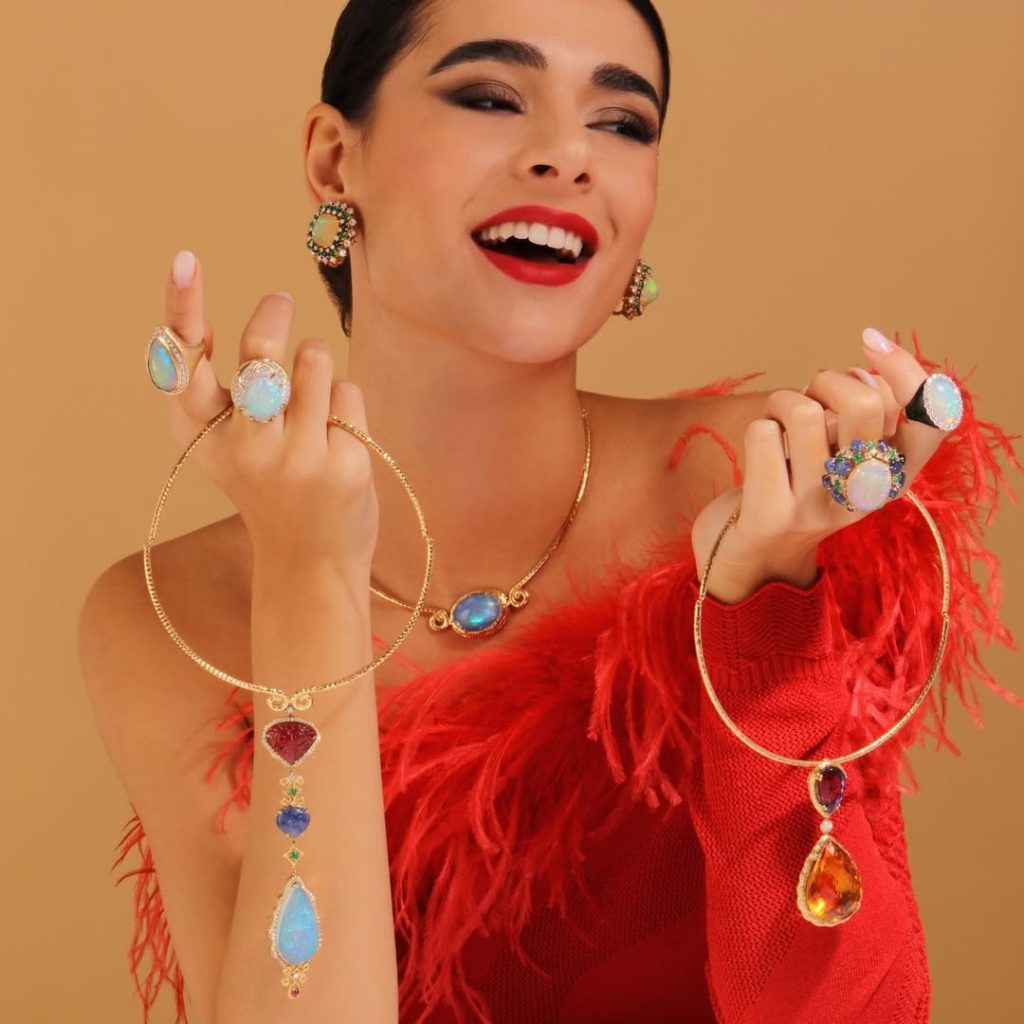
Opal jewelry offers endless styling possibilities, from subtle sophistication to bold statement looks.
Layering with Other Gemstones
Opals play beautifully with other gemstones in layered looks. Pair an opal necklace with complementary colored gemstone strands—diamonds add sparkle without competing for attention, while moonstones create an ethereal, mystical aesthetic. Fire opal earrings look stunning when paired with citrine or garnet jewelry, creating a warm, sunset-inspired palette.
When stacking rings, combine opal rings with simple metal bands or diamond stackers. The opal becomes the focal point while the accompanying rings add dimension and interest. Mix metals freely—rose gold pairs beautifully with fire opals, white gold complements black opals, and yellow gold enhances white opals.
Color Coordination
Match your opal jewelry to your wardrobe thoughtfully. Fire opals pop against navy, teal, purple, and neutral tones, creating warm contrast. Black opals, on the other hand, make dramatic statements against both light and dark clothing. Try them with white, cream, or grey for maximum impact, or pair them with black for sophisticated monochrome elegance.
White opals offer versatility, working with virtually any color palette. They add subtle interest to neutral outfits and soften bolder color combinations. Crystal opals have a clean, modern aesthetic that works particularly well with minimalist styles and contemporary fashion.
Pink opals bring soft, romantic energy to any outfit. They pair beautifully with pastels, whites, grays, and denim for a fresh, feminine look. Pink opal jewelry complements spring florals and summer whites perfectly. For unexpected sophistication, wear pink opals with charcoal gray or navy—the contrast creates an elegant, modern aesthetic. Rose gold settings enhance the warm undertones in pink opals, while silver creates a cooler, contemporary feel.
Occasion-Based Styling
Fire opal jewelry suits artistic events, creative workplaces, and social gatherings where personality shines through. The vibrant warmth of fire opals energizes casual and business-casual outfits alike. A fire opal ring or necklace adds an unexpected twist to professional attire without appearing unprofessional.
Black opal jewelry elevates evening wear and formal occasions with effortless sophistication. Black opal earrings create dramatic elegance for galas and special events, while a black opal ring serves as a stunning conversation piece at cocktail parties.
White opal jewelry transitions seamlessly from day to night, making it ideal for busy individuals who don’t change accessories between work and evening plans. Crystal opal pieces suit modern, minimalist aesthetics and work well in both casual and professional settings.
Pink opal jewelry suits daytime events, brunch gatherings, garden parties, and casual professional settings. A pink opal necklace adds gentle color to business casual attire without appearing too bold. Meanwhile, earrings work beautifully for spring weddings and baby showers, where their soft, nurturing energy feels especially appropriate.
Current Trends
Stacking multiple opal rings across several fingers creates an artisan, bohemian look that’s currently popular. Mix different opal types, perhaps a fire opal ring on one hand and a white opal on the other, for an eclectic yet cohesive style.
Mixed-metal settings are trending, combining yellow, rose, and white gold in single pieces. This approach works beautifully with opals, as different metals highlight various color flashes within the stone. Asymmetrical designs and organic, nature-inspired settings also complement opals’ natural character.
Opal earring stacks, featuring multiple piercings with different opal styles, create personalized ear stories. Combine opal studs with opal drops, or mix opal earrings with complementary gemstones for a curated look.
Common FAQs About Opal Jewelry
Do opals fade over time?
Quality opals do not fade over time when properly cared for. However, opals can appear to lose their brilliance if they dry out due to extended exposure to extremely low humidity, excessive heat, or prolonged direct sunlight. This change is sometimes reversible—opals that have dried slightly may regain their appearance with proper humidity. Ethiopian opals, in particular, are hydrophane (capable of absorbing water), so they may temporarily change appearance when wet but return to normal when dry. With reasonable care and storage, your opal jewelry should maintain its beauty indefinitely.
Are opals scratch-resistant?
Opals rank 5.5-6.5 on the Mohs hardness scale, making them softer than many common gemstones but harder than materials you encounter daily. They’re more scratch-resistant than glass but can be scratched by harder gems like diamonds, sapphires, rubies, and even quartz (found in common dust). Store opal jewelry separately from harder gems, and be mindful during wear. Despite their moderate hardness, many opal pieces survive generations with proper care, showing that reasonable precautions allow for regular enjoyment.
Can you wear opals every day?
Yes, you can wear opal jewelry daily with appropriate precautions. Choose durable opal types like black opals or boulder opals for everyday rings, and opt for protective settings like bezels. Opal necklaces, pendants, and earrings are naturally better protected from impact than rings and can be worn daily with fewer concerns. Remove opal jewelry before activities involving impact, chemicals, or rough work. Many people successfully wear opal engagement rings and everyday pieces for years by simply being mindful and removing them when appropriate.
What is the difference between natural and synthetic opals?
Natural opals form through geological processes over millions of years, while synthetic opals are created in laboratories in weeks or months. Both contain silica and water and can display play-of-color, but synthetic opals typically show more regular, uniform color patterns that can appear “too perfect.” Natural opals have organic, random patterns unique to each stone.
Laboratory-created opals and simulants (like opalite glass) are different—simulants aren’t real opals at all, just lookalikes made from glass or resin. Quality synthetic opals have legitimate uses in jewelry at accessible price points, but should always be disclosed as synthetic. Natural opals remain far more valuable due to their rarity and unique characteristics.
How much does opal jewelry cost?
Opal jewelry prices vary enormously based on opal type, quality, size, and setting. Commercial-grade white opal jewelry might start around $50-$200 for small earrings or pendants. Mid-range white and crystal opals in quality settings range from $200-$1,000. Fire opal jewelry typically falls in the $150-$2,000 range, depending on color intensity and size.
Black opal jewelry commands premium prices, with even small pieces starting around $500-$1,000 for lower-grade stones. High-quality black opal rings can easily exceed $5,000-$50,000, with exceptional specimens reaching six figures. Boulder opals generally range from $300-$3,000, depending on size and quality.
Setting materials, designer names, and additional gemstones also affect price. An opal in a simple silver setting costs far less than the same stone in a platinum setting with diamond accents.
Which opal is best for engagement rings?
Black opals and boulder opals make excellent engagement ring choices due to their durability and striking appearance. Black opals offer unmatched visual drama and rarity, making them meaningful symbols for unique relationships. Boulder opals provide natural reinforcement from their ironstone backing, offering practical durability with distinctive character.
On the other hand, crystal opals and high-quality white opals can also work for engagement rings when set in protective bezels and cared for properly. Fire opals make bold, unconventional engagement rings for those drawn to their warm, passionate energy, though they require careful wearing.
Choose protective settings—bezels over prong settings—for opal engagement rings, and consider lifestyle factors. Active individuals might reserve opals for special occasions, while those with gentler daily routines can comfortably wear opal engagement rings with proper care.
How to tell if an opal is real?
Identifying genuine opals requires examining several characteristics. Natural opals display irregular, organic color patterns unique to each stone, while synthetic opals often show columnar structures or overly regular patterns when examined closely. Natural opal patterns flow organically and appear three-dimensional, with colors that shift naturally with viewing angle.
Also, examine the back of the stone—natural opals typically show irregular backing or may be attached to matrix (host rock), while doublets and triplets (layered stones with opal slices) show distinct layers visible from the side. Simulants like opalite glass feel warmer to the touch than genuine opals and lack the natural irregularities of real opals.
For valuable pieces, request certification from reputable gemological laboratories. Professional gemologists can definitively determine whether an opal is natural, synthetic, treated, or a simulant. When purchasing significant opal jewelry, always buy from reputable dealers who provide accurate descriptions and are willing to have stones independently verified.
Are fire opals more fragile than black opals?
Fire opals and black opals have similar hardness (5.5-6.5 on the Mohs scale) and require comparable care. However, fire opals are often transparent to translucent, which can make internal fractures or inclusions more visible, and their typically lighter weight per carat suggests they may be cut thinner in some cases.
Black opals’ opacity hides internal characteristics better, and they often come from deposits that produce harder, more stable material. Boulder opals have additional durability from their ironstone backing. The main difference isn’t inherent fragility but the visibility of any issues and the thickness of cut stones.
Both fire opals and black opals need protection from impact, chemicals, and extreme temperatures. With appropriate care, both varieties provide lasting beauty. The choice between them should be based on aesthetic preference rather than durability concerns, as proper care is essential for all opal types.
Pink opals, being common opals without play-of-color, have similar hardness to other opals but are notably more porous. This porosity makes them susceptible to absorbing substances, so they require extra care regarding exposure to liquids, oils, and chemicals. However, they’re not necessarily more prone to physical breakage than other opal types when properly set and worn.
Why Opal Jewelry Makes a Perfect Gift
Opal jewelry offers unique qualities that make it an exceptional gift choice for special occasions and meaningful relationships.
As the birthstone for October, opal jewelry provides a personalized touch for autumn birthdays. Beyond birthstone significance, opals carry rich symbolism across cultures. They represent hope, purity, creativity, and passion—qualities that make opal gifts particularly meaningful for new beginnings, artistic individuals, or celebrating love and commitment.
The ancient Romans believed opals brought good fortune and symbolized hope. Arabic legends claimed opals fell from heaven in flashes of lightning, containing fire within. Throughout history, opals have represented truth, loyalty, and confidence, making them appropriate for commemorating significant relationships and achievements.
Perhaps most importantly, every opal is genuinely unique. Unlike diamonds or other gems, where similar stones can be found, each opal’s play-of-color pattern is one-of-a-kind. When you give someone an opal necklace, ring, or earrings, you’re presenting them with something no one else in the world possesses—a piece of jewelry as individual as they are.
This uniqueness makes opal jewelry particularly special for celebrating distinctive personalities and irreplaceable relationships. An opal engagement ring symbolizes a love as rare and unique as the stone itself. Opal jewelry for anniversaries, graduations, or milestone birthdays acknowledges the recipient’s individuality while providing lasting beauty.
Opal jewelry also offers versatility in style and price points, making it accessible for various budgets while maintaining special significance. From delicate white opal earrings for a teenage daughter to a stunning black opal pendant for a milestone anniversary, opals suit recipients of all ages and styles.
Conclusion
Opals stand apart in the gemstone world, offering unmatched variety, character, and beauty. From the sophisticated drama of black opal jewelry to the warm exuberance of fire opal pieces, the gentle elegance of white opals, the feminine magic of pink opals, and the organic artistry of boulder opals, these remarkable gems provide options for every taste and style.
Understanding the different types of opal jewelry helps you make informed choices, whether you’re selecting an opal ring for yourself, choosing opal earrings as a gift, or investing in a statement opal necklace. With proper care—gentle cleaning, thoughtful storage, and mindful wearing—your opal jewelry will maintain its captivating beauty for generations, becoming treasured heirlooms that carry both monetary and sentimental value.
The world of opals rewards those who take time to appreciate their nuances. Each stone tells a story of geological processes spanning millions of years, resulting in unique patterns and colors that capture light and imagination. Whether you’re drawn to the bold personality of fire opals, the refined luxury of black opals, or the versatile beauty of white and crystal opals, there’s an option perfectly suited to your style.
As you explore opal jewelry, remember that these gems are as individual as the people who wear them. Your opal journey is personal—let your preferences guide you toward pieces that resonate with your aesthetic and bring you joy every time you wear them. With the knowledge from this guide, you’re well-equipped to choose, care for, and style opal jewelry with confidence, embracing these extraordinary gems’ full beauty and versatility.
Watch to Learn More About Opal Jewelry
Featured image: David Morris

Amanda Akalonu is dedicated to weaving together the worlds of jewelry, watches, and objects through a lens of literary storytelling.