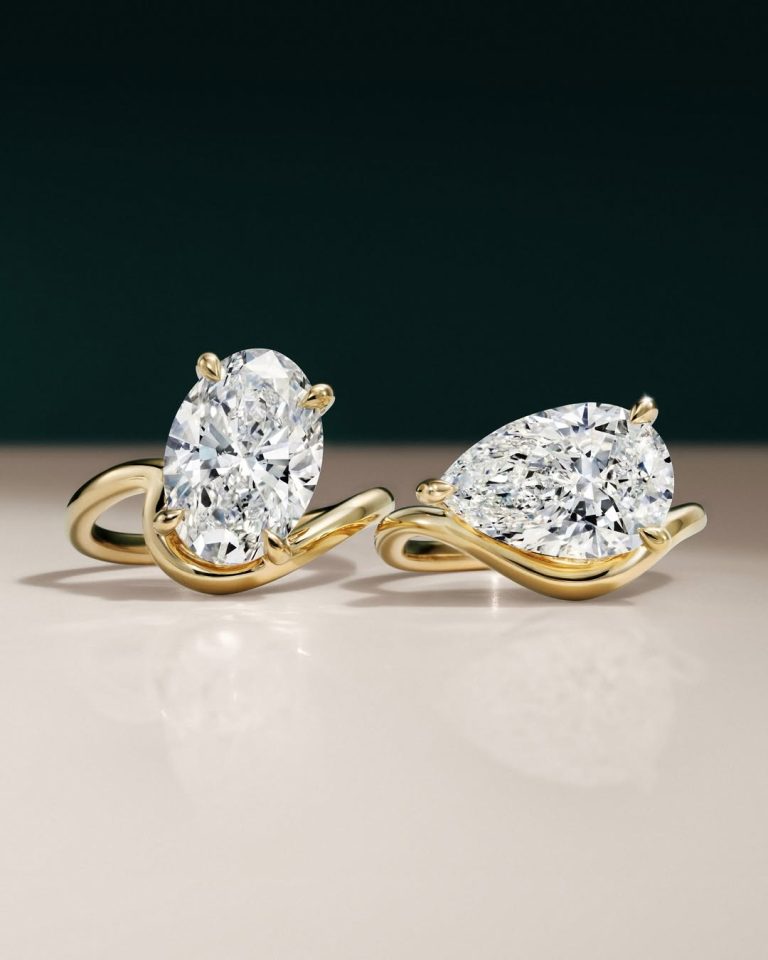
In the rarefied world of haute joaillerie, one name stands alone in mystique, rarity, and artistic vision: JAR. These three letters, discreetly marking a windowless door at 7 Place Vendôme in Paris, represent perhaps the most exclusive jewelry house on Earth. While Cartier, Van Cleef & Arpels, and other legendary houses operate gleaming boutiques worldwide with recognizable branding and accessible collections, JAR jewelry remains deliberately hidden, produced in quantities of 70-80 pieces annually, and available only to a select few personally approved by its enigmatic creator.
What makes JAR jewelry so extraordinary? It’s the perfect convergence of unparalleled artistic vision treating jewelry as three-dimensional sculpture, revolutionary technical innovation in pavé setting and metalwork, absolute rarity with each piece being one-of-a-kind, and auction performances that consistently exceed expectations with pieces commanding millions. The 2012 sale of a JAR ruby and diamond “Camellia” brooch for $4.3 million—four times its low estimate—exemplifies collector demand for these exceptional creations.

JAR is not a commercial jewelry brand. It’s an art form. Joel Arthur Rosenthal creates jewelry the way Fabergé did, treating each commission as a unique artistic statement rather than a product to be replicated and marketed. This philosophy, combined with Rosenthal’s intense privacy and refusal to engage in traditional luxury marketing, has created a cult following among the world’s most discerning collectors. Understanding what makes JAR exceptional requires exploring the man behind the initials, the artistic philosophy driving each creation, and why these pieces transcend jewelry to become cultural artifacts.
Who Is JAR? Joel Arthur Rosenthal Explained
Joel Arthur Rosenthal was born in 1943 in the Bronx, New York, the only child of a postman father and a biology teacher mother. Nothing in his early life suggested he would become what many consider the greatest living jeweler. He had no family jewelry business, no gemological training, no apprenticeship in traditional goldsmithing. Instead, Rosenthal studied art history and philosophy at Harvard University, graduating in 1966 with an education that would profoundly influence his approach to jewelry design.
After Harvard, Rosenthal moved to Paris, where he initially worked as a screenwriter before opening a small needlepoint shop. His experiments with unusual yarn colors attracted attention from designers at Hermès and Valentino, who became clients. When someone asked if he could design a mount for a gemstone, Rosenthal’s path changed forever. After a brief stint as a salesman at Bvlgari’s New York store (his only formal jewelry industry experience), he returned to Paris in 1977.

Together with his life and business partner Pierre Jeannet, Rosenthal opened JAR at 7 Place Vendôme in 1977. From the beginning, the business operated unlike any traditional jeweler. There was no shop window, no sign on the street, and entry was granted only by sponsorship of a known customer. This radical approach, eschewing all conventional marketing, advertising, and accessibility, could have doomed most businesses. Instead, it created mystique and demand that has only intensified over nearly five decades.
Rosenthal’s decision to reject jewelry conventions stemmed from his art history background and philosophical convictions. He views jewelry not as ornamentation or luxury goods but as sculptural art that happens to be wearable. Each piece is unique, created for a specific client, with yearly output limited to 70-80 pieces. This intentional scarcity isn’t a marketing strategy; it’s the natural result of Rosenthal’s insistence that each creation receive the hundreds or thousands of hours required to realize his artistic vision fully.

Rosenthal rarely grants interviews and remains intensely publicity-shy despite frequent requests from top magazine journalists worldwide. JAR does not publish catalogues, has no press or marketing department, does not release photos of its jewelry, and has no website or listed phone number. The house operates entirely through reputation and word-of-mouth. This privacy isn’t affectation—Rosenthal genuinely prefers letting his work speak for itself, maintaining that excessive publicity distracts from the jewelry’s intrinsic merit.
The JAR jeweler has hosted only two public exhibitions: one at London’s Somerset House in 2002, where 400 pieces were displayed in near darkness with visitors using flashlights to view them, and a 2013 retrospective at the Metropolitan Museum of Art in New York, making Rosenthal the only living jeweler to receive such an honor. For the 2002 exhibition, he published the only book on his work—JAR Paris, a 720-page catalog printed in limited copies that now sells for thousands of dollars at auction.
What Defines JAR Jewelry
Aesthetic Philosophy
JAR jewelry distinguishes itself through several unmistakable aesthetic principles that reflect Rosenthal’s art history education and refusal to follow jewelry conventions.
- Sculptural, architectural forms: Rosenthal thinks three-dimensionally, creating pieces that function as miniature sculptures. His jewelry isn’t flat decoration applied to the body; it occupies space, casts shadows, and reveals new facets from every viewing angle. Brooches rise substantially from surfaces. Earrings have weight and presence. Rings transform fingers into pedestals for wearable art.

- Nature-inspired motifs: Flora and fauna dominate JAR jewelry themes. Pansies, camellias, lilacs, and other flowers appear rendered in extraordinary detail with individually carved petals. Butterflies, dragonflies, and other insects showcase meticulous anatomical observation. These aren’t generic floral motifs. They’re specific botanical and entomological studies translated into precious materials.
- Absence of symmetry: Unlike traditional jewelry emphasizing bilateral symmetry, Rosenthal often creates intentionally asymmetrical pieces. Earrings don’t necessarily match perfectly. Floral arrangements follow organic growth patterns rather than geometric precision. This asymmetry reflects nature’s actual irregularity while requiring extraordinary skill to achieve visual balance.
- Jewelry as three-dimensional art: Each jewel from JAR is made only for its owner, with no “collection,” no “line,” no easily reproducible template. Rosenthal approaches each commission as a unique artistic problem, considering the intended wearer’s personality, coloring, and style. This bespoke approach means even similar themes—multiple pansy brooches, for instance—result in completely different pieces.
Technical Innovation
Beyond aesthetic distinctiveness, JAR jewelry revolutionized jewelry-making techniques, particularly in pavé setting.
Rosenthal may be credited with igniting a “pavé-set revolution,” a technique now considered foundational to jewelry design of the 21st century. His pavé work surpasses anything created before or since. What Rosenthal has been doing since 1977 is setting gems in pavé arrangements as fine as needlepoint stitches, frequently amplifying the stones’ colors by mounting them in a blackened alloy.

Traditional pavé setting places small stones close together, creating diamond-paved surfaces. Rosenthal’s pavé transcends this, using thousands of tiny stones in gradated colors to create painterly effects. Individual stones might measure less than a millimeter, requiring tweezers and extraordinary patience to set. The density and precision of his pavé create surfaces that read as solid color from a distance but reveal infinite complexity upon close examination.
- Complex hidden structures: Beneath JAR jewelry’s surfaces lie engineering marvels. The metalwork supporting those thousands of tiny stones must be simultaneously strong enough to secure them permanently and delicate enough to remain invisible. Rosenthal pioneered techniques for creating lightweight yet structurally sound frameworks, often using blackened silver or specially alloyed metals that enhance gemstone colors while disappearing visually.
- Unconventional gemstone cuts: Rosenthal doesn’t limit himself to standard round brilliants or emerald cuts. He carves stones into unique shapes specific to each design, sometimes working with lapidaries for months to achieve exactly the right form. Stones might be carved into petal shapes, faceted in unusual patterns, or left partially rough to create specific textural effects.
- Metalwork as structure, not decoration: In traditional high jewelry, metal settings primarily showcase gemstones. In JAR jewelry, metal becomes a sculptural element in its own right, carefully shaped, textured, and colored to contribute equally to the artistic vision.
Use of Color
Color mastery distinguishes JAR jewelry above all else. Rosenthal’s early experiments with yarn colors and his lifelong study of how colors interact inform every piece.

- Mastery of chromatic harmony: Rosenthal understands color theory at the highest level, creating combinations that simultaneously surprise and satisfy. He’ll pair unexpected colors, say, purple with orange, or pink with green, in ways that shouldn’t work but create visual magic. His transitions between colors appear seamless despite using thousands of individual stones, achieving painterly effects through painstaking gemstone selection and placement.
- Rare colored stones: While traditional jewelers focus on diamonds, emeralds, rubies, and sapphires, Rosenthal uses the entire gemstone spectrum. Spinels, garnets, tourmalines, sapphires in every color, colored diamonds, and semi-precious stones all appear in JAR creations. Without the constraints of a traditional jeweler’s concept of which stones are worthy of fine jewelry, Joel Rosenthal found an endless spectrum of colored stones with which to paint.
- Painterly gemstone placement: The term “painterly” is often used to describe JAR’s creations because it’s genuinely accurate. Rosenthal doesn’t simply set colorful stones—he paints with them, creating gradations, highlights, shadows, and chromatic movements that mimic how painters build color on canvas.
Why JAR Jewelry Is So Rare
Understanding JAR jewelry rarity requires examining multiple factors that combine to create perhaps the scarcest luxury goods category on Earth.

- One-of-one pieces: Every JAR creation is unique. Rosenthal starts from scratch each time, and the work can take years. There are no “collections” to browse, no catalog of available styles. Each piece results from specific inspiration, commissioned for particular clients or created when Rosenthal feels compelled by an artistic vision.
- Extremely limited annual production: Rosenthal designs approximately 70-80 pieces every year. To put this in perspective, major jewelry houses produce thousands of pieces annually. In JAR’s nearly 50-year history, perhaps 3,500-4,000 pieces total exist worldwide—fewer than some luxury brands produce in a single year.
- Selective clientele: Entry to JAR requires sponsorship from existing clients, and Rosenthal personally approves each buyer. He’s been known to refuse sales if he feels a piece does not suit the wearer. This selectivity isn’t snobbery. Rosenthal believes his jewelry should enhance specific individuals and genuinely cares that pieces find appropriate homes.
Notable JAR clients include Elizabeth Taylor, Elle Macpherson, Barbara Walters, Ann Getty, and various members of royal families and ultra-high-net-worth collectors. However, to even be considered as a client, one must be introduced by an existing patron.

- No advertising, no e-commerce: JAR does not advertise, has no website, and has no listed phone number. In an era where luxury brands spend millions on marketing and maintain extensive online presences, JAR operates as though the internet doesn’t exist. This isn’t Luddite resistance but a philosophical commitment to letting work quality create demand.
- Long waiting periods: Even approved clients face waits of months or years for commissions. Rosenthal won’t rush work to meet timelines. Pieces are completed when they’re perfect, not when clients request them. This patience ensures consistent quality but means acquiring JAR jewelry requires extraordinary persistence alongside financial resources.
The Craftsmanship Behind JAR Jewelry
JAR produces 70 to 80 pieces per year, with each piece uniquely crafted for specific clients. This limited production stems from the extraordinary time required for each creation.

- Hand fabrication techniques: Every aspect of JAR jewelry involves hand fabrication. Stones are individually selected, sometimes from thousands of candidates, to find exactly the right color, size, and character. Settings are hand-forged and hand-finished. Each tiny stone in pavé work is individually placed and secured. Nothing is mass-produced, cast from molds, or created using automated processes.
- Micro-engineering: The technical complexity of JAR pieces rivals fine watchmaking. Creating frameworks that secure thousands of stones while remaining lightweight and flexible requires engineering precision. Such was the case with a round six-carat pink diamond, which Rosenthal bought at auction but kept unused for over 20 years, whilst deciding on the best way to set it in order to enhance its beauty to the maximum. That pink diamond is what is now known as identified as the Marie-Thérèse Pink. It sold in June 2025 via Christie’s for $14 million. This patience exemplifies his commitment to getting every detail perfect.
- Hundreds to thousands of hours per piece: Simple JAR pieces might require several hundred hours to complete. Complex creations (elaborate necklaces or intricate brooches) can demand thousands of hours of skilled labor. At this pace, producing even 70-80 pieces annually requires a dedicated workshop of master craftsmen working constantly.
- Why JAR pieces cannot be mass-produced: The techniques Rosenthal employs can’t be mechanized or simplified. The painterly pavé work, the custom metalwork, the individualized gemstone selection, each requires human judgment and artisan skill accumulated over decades. Even if someone wanted to copy JAR jewelry, replicating it would prove nearly impossible without comparable skill, patience, and artistic vision.
JAR Jewelry vs Traditional High Jewelry Houses
Understanding what makes JAR jewelry exceptional benefits from comparison to prestigious traditional houses.
- JAR vs Cartier: Cartier represents establishment luxury. Recognizable designs produced in quantity, extensive retail presence, significant advertising budgets, and pieces available to anyone with sufficient funds. JAR inverts this completely: no recognizable “house style” beyond quality level, virtually no retail presence, zero advertising, and pieces available only through personal approval. Where Cartier emphasizes accessibility (within the luxury market), JAR embraces exclusivity absolutely.
- JAR vs Van Cleef & Arpels: Van Cleef creates exceptional high jewelry with signature techniques like Mystery Set. However, they produce collections—multiple versions of successful designs. JAR never repeats designs. Van Cleef operates dozens of boutiques globally; JAR has one unmarked door in Paris. Both create art-quality jewelry, but Van Cleef functions as a business while JAR operates as an artist’s atelier.
- JAR vs Bvlgari: Bvlgari celebrates bold Italian design with recognizable aesthetic codes. Their jewelry makes statements through scale, color, and distinctive style. JAR jewelry also makes statements, but each piece speaks uniquely. Bvlgari trains customers to recognize “Bvlgari style”; JAR creates work so individual that only the quality level remains consistent. Rosenthal’s brief employment at Bvlgari gave him insight into commercial jewelry operations—experience that informed his decision to reject that model entirely.
- Philosophy: Traditional houses balance art with commerce, creating profitable businesses. JAR prioritizes art absolutely, with commerce occurring almost accidentally as a byproduct of creating exceptional work. Traditional houses employ teams of designers; JAR remains Rosenthal’s personal artistic vision.
- Scale: Major houses produce thousands of pieces annually across multiple product lines. JAR produces 70-80 unique pieces total.
- Creative freedom: Traditional houses consider market research, brand identity, and commercial viability when designing. Rosenthal answers only to his artistic instincts and specific clients’ personalities.
- Production volume: This fundamental difference affects everything else. High production requires standardization, marketing, distribution networks, and business infrastructure. JAR’s tiny output permits absolute customization and artistic freedom.
- Market presence: Traditional houses want visibility and accessibility. JAR wants neither, preferring to remain mysterious and deliberately inaccessible.
Iconic JAR Jewelry Pieces
While every JAR jewelry piece is unique, certain themes and designs have become particularly celebrated.
- JAR Camellia brooches: Camellias appear repeatedly in Rosenthal’s work, each interpretation unique. In 2012, a ruby and diamond “Camellia” brooch from 2003 sold for $4.3 million at Christie’s Geneva—four times its low estimate and, until the June 2025 Marie-Thérèse Pink diamond sale, the auction record for any JAR jewel. These botanical studies feature individually carved petals in gradated colors, capturing camellias’ layered complexity.
- JAR Pansy and floral pieces: Multi-gem “Pansy” earrings featuring purple, orange, and yellow sapphires, garnets, diamonds, and black diamonds exemplify his mastery of color and natural forms. Pansies’ distinctive “faces” inspire Rosenthal to create pieces with personality and character beyond mere botanical accuracy.
- JAR butterfly brooches: Butterflies allow Rosenthal to showcase technical virtuosity—delicate wings created from thousands of tiny pavé-set stones, bodies with dimensional modeling, and color combinations mimicking actual species. These pieces demonstrate how JAR jewelry functions as a wearable natural history illustration.
- Architectural cuffs and rings: Not all JAR pieces follow natural themes. Some creations explore pure form—geometric cuffs with clean lines, rings featuring architectural elements, pieces where metalwork itself becomes the primary focus. These demonstrate Rosenthal’s range beyond the floral and faunal work he’s most famous for.
- Pieces held in museum collections: In 2013, the Metropolitan Museum of Art hosted a retrospective where 145 clients loaned hundreds of jewels, showcasing JAR’s significance as art beyond jewelry. The exhibition highlighted pieces spanning Rosenthal’s career, demonstrating consistent quality and evolving vision.
JAR Jewelry at Auction: Record Prices & Market Performance
JAR jewelry auction results consistently exceed expectations, demonstrating extraordinary collector demand.

- Christie’s and Sotheby’s landmark sales: Both major houses regularly feature JAR pieces in Important Jewels sales. Christie’s has sold the top 10 JAR jewels at auction by value to date, establishing them as specialists in this category. The $14 million Marie-Thérèse Pink diamond record from 2025 is currently unsurpassed, but many JAR pieces achieve six-figure sums.
Recent notable sales include a JAR emerald and diamond ring set with an 8.62-carat Colombian emerald that sold for $1.6 million at Sotheby’s—more than twice its $500,000-$700,000 estimate, and a signed diamond “Apricot Blossom” bangle from circa 2009 estimated to fetch up to $570,000.
- Why JAR pieces outperform many heritage brands: When pieces come up at auction, they consistently fetch hammer prices far in excess of their estimates. This performance reflects genuine rarity, with perhaps 3,500-4,000 pieces existing globally, JAR jewelry is genuinely scarce. Additionally, the one-of-a-kind nature means collectors can’t simply wait for another example, each piece truly is irreplaceable.
- Collector demand vs supply: Collector interest in JAR jewelry has intensified as Rosenthal’s reputation has grown, and more people recognize his significance. However, supply remains fixed at approximately 70-80 new pieces annually, most of which go directly to clients who intend to keep them. The few pieces reaching auction face intense competition from collectors, museums, and investors recognizing JAR jewelry’s value.
- Investment perspective: While jewelry should primarily be acquired for aesthetic pleasure, JAR pieces have proven solid investments. Values have appreciated consistently over decades, with no indication of declining demand. The combination of extreme scarcity, growing recognition of Rosenthal’s importance, and inability to acquire new pieces through normal channels ensures strong auction performance.
Who Collects JAR Jewelry
- Private collectors: The single-owner “Legacy of Elegance” sale at Sotheby’s featured a collector described as having “refined and daring taste who consciously resisted the common herd,” highlighting the type of sophisticated, independent-minded individuals drawn to JAR. These collectors appreciate art-level jewelry and understand that owning JAR pieces means possessing truly rare cultural artifacts.
- Museums: Major institutions recognize JAR jewelry’s art historical significance. The Metropolitan Museum of Art, Victoria and Albert Museum, and other museums hold JAR pieces in permanent collections. Museum acquisitions reduce available supply while validating Rosenthal’s importance.
- Ultra-high-net-worth individuals: Given JAR jewelry’s cost and extreme scarcity, collectors typically possess significant wealth. However, wealth alone doesn’t guarantee access. Rosenthal must approve all buyers, ensuring his clients appreciate the work’s artistic merit beyond status symbols.
- Why JAR appeals to art collectors more than traditional jewelry buyers: Traditional jewelry collectors might focus on famous names, large stones, or investment value. JAR collectors typically come from art-collecting backgrounds, understanding and appreciating the pieces as wearable sculpture. They’re accustomed to artist exclusivity, limited output, and the idea that owning art means supporting artistic vision rather than simply purchasing luxury goods.
How to Identify Authentic JAR Jewelry
Given the JAR jewelry value, authentication matters significantly, though counterfeiting remains relatively rare due to the extreme difficulty of replicating Rosenthal’s techniques.
- Hallmarks and signatures: Authentic pieces bear JAR signatures, typically “JAR PARIS” stamped on metal components. Hallmarks include French marks for gold purity (18K) and maker’s marks. However, marking locations and styles varied over decades, requiring expertise to verify.
- Construction clues: The density and precision of pavé work provide authentication clues. Rosenthal’s pavé is unmistakable—thousands of perfectly placed tiny stones with seamless color gradations. The metalwork shows extraordinary finishing quality even in non-visible areas. Stones are selected for perfect color matches within gradations. Weight feels substantial but not excessive. Rosenthal achieves presence through design rather than mass.
- Typical gemstone settings: JAR pieces often feature blackened metal settings that enhance gemstone colors. The combination of materials, colored stones with diamonds, semi-precious stones in high jewelry contexts, unexpected color combinations, reflects Rosenthal’s distinctive approach.
- Why authentication is complex: The one-of-a-kind nature means no comparative database exists. Each piece is unique, making authentication more about understanding Rosenthal’s techniques and aesthetic rather than matching against known examples. Additionally, Rosenthal’s work evolved over decades, early pieces differ from recent creations while maintaining quality consistency.
- Importance of provenance and auction documentation: When pieces appear at auction, houses provide detailed provenance and authentication. Documentation from Christie’s, Sotheby’s, or other major auction houses significantly validates authenticity. For private purchases, insist on provenance documentation tracing ownership history and authentication by recognized experts.
JAR Jewelry as Art, Not Jewelry
These are potent objects displaying infinitely precious imagination, wit, and enormous soul. This captures why JAR jewelry transcends conventional jewelry categories.
Rosenthal has been called “the Fabergé of our time,” a comparison recognizing both technical mastery and artistic vision. Like Fabergé, Rosenthal creates objects that happen to be jewelry but function primarily as art. The fact that pieces can be worn makes them more intimate and personal than gallery art, but their primary value remains artistic rather than decorative.
Traditional jewelry, even high jewelry, ultimately serves fashion and status. It enhances appearance, signals wealth, and marks occasions. JAR jewelry does all this but primarily expresses artistic vision—Rosenthal’s study of color, form, nature, and materials translated into three-dimensional objects. Collectors acquire JAR pieces for the same reasons they acquire paintings or sculptures.
This art-first approach explains JAR’s operating philosophy. As Rosenthal said, “People come to me for my taste”—clients seek his artistic judgment, not catalog options. They want pieces bearing his vision, accepting that this requires patience, significant investment, and relinquishing control over the creative process.
Is JAR Jewelry Still Being Made Today?
Yes, JAR jewelry continues to be produced at 7 Place Vendôme, though “availability” requires understanding JAR’s unique operating model.
- Current status of the atelier: JAR has operated its atelier at the same Paris storefront since its inception in 1977. Rosenthal, now in his eighties, continues overseeing all work. The tireless support of his partner, Pierre Jeannet, and a devoted team of craftsmen, has given Mr Rosenthal the freedom to conceive the works of wonder that define his legacy.
- What “availability” means for JAR: New pieces reach the market only through direct commission by approved clients or when Rosenthal creates pieces inspired by personal artistic vision rather than specific commissions. There’s no showroom of available pieces, no catalog to browse, no “in stock” inventory. “One simply can’t walk into his atelier, say, look at something in a cabinet, and put down your credit card,” explains Sotheby’s Catharine Becket.
- Why new pieces remain nearly impossible to acquire: Access requires introduction by existing clients, personal approval by Rosenthal, willingness to wait months or years for commissioned pieces, acceptance that Rosenthal maintains final say over whether pieces suit intended wearers, and significant financial resources. These barriers ensure only the most dedicated collectors acquire new JAR jewelry.
For most people seeking JAR jewelry, auction houses represent the only realistic acquisition path. Even auction purchases require substantial resources and luck as competition is fierce for the few pieces that appear.
Frequently Asked Questions About JAR Jewelry
Why is JAR jewelry so expensive?

JAR jewelry commands premium prices due to extreme rarity (70-80 pieces annually over 50 years), hundreds to thousands of hours of master craftsmanship per piece, revolutionary artistic vision and technical innovation, use of exceptional gemstones selected from thousands of candidates, one-of-a-kind status with no replicas or editions, and growing recognition of Rosenthal as one of jewelry history’s greatest artists. Prices reflect both material value and art market dynamics.
Is JAR jewelry handmade?
Yes, completely. Every aspect of JAR jewelry involves hand fabrication by master artisans. Stones are individually selected and set by hand. Metalwork is hand-forged, hand-finished, and hand-engraved. The revolutionary pavé work, placing thousands of tiny stones in painterly gradations, can only be achieved through painstaking handwork. No automation, casting, or mass production techniques are employed.
How many JAR pieces exist?
With approximately 70-80 pieces produced annually since 1977, roughly 3,500-4,000 JAR jewelry pieces exist worldwide. This makes JAR pieces rarer than most art by celebrated contemporary artists. Many pieces reside in permanent private collections or museums, further reducing availability. The actual number accessible through auction or private sale represents a fraction of this already-tiny total.
Can you buy JAR jewelry today?
New JAR jewelry requires introduction by existing clients, personal approval by Joel Arthur Rosenthal, willingness to wait extensive periods for commissions, and acceptance of Rosenthal’s creative control. Most collectors acquire JAR pieces through major auction houses (Christie’s, Sotheby’s), where pieces occasionally appear, or through specialized estate jewelry dealers handling exceptional pieces. Direct purchase from the atelier remains extraordinarily difficult and requires connections within the existing client network.
What makes JAR different from other jewelers?
JAR jewelry differs through complete artistic independence (Rosenthal answers only to his vision), revolutionary techniques (particularly painterly pavé work), extreme rarity (versus thousands of pieces by major houses), no commercial marketing or accessibility, one-of-a-kind pieces with no reproductions, and use of color and unconventional gemstones in ways other jewelers don’t attempt. JAR functions as an artist’s atelier rather than a commercial jewelry business, prioritizing artistic merit absolutely over market considerations.
Conclusion: JAR Jewelry as Cultural Artifact
As Joel Arthur Rosenthal enters his ninth decade, his position in jewelry history grows increasingly secure. He is the only living jeweler to have had a solo exhibition at the Metropolitan Museum of Art, recognition of his significance transcending jewelry to encompass broader art historical importance.
JAR jewelry represents more than exceptional craftsmanship or beautiful objects. It embodies an artistic philosophy prioritizing vision over commerce, quality over quantity, and art over fashion. In an era of global luxury conglomerates, marketing saturation, and mass production dressed as exclusivity, JAR’s genuine scarcity and uncompromising standards feel almost revolutionary. Rosenthal proves that creating fewer, better things and allowing work quality to build reputation remains viable, even preferable, to conventional luxury marketing.
For collectors, JAR jewelry offers unique satisfactions: owning genuinely rare cultural artifacts, appreciating revolutionary technical innovation, experiencing jewelry as three-dimensional art, and participating in the legacy of an artistic genius whose work will be studied centuries hence. These pieces transcend fashion cycles and luxury trends, maintaining value through inherent artistic merit and historical significance.
Whether acquired through decades-long client relationships, competitive auction bidding, or fortunate estate discoveries, JAR jewelry rewards collectors with beauty, craftsmanship, and artistic vision unmatched in contemporary jewelry. As Rosenthal’s production inevitably slows with age and eventually ceases, existing pieces will only grow in significance. They will be treasured not just as jewelry but as tangible connections to one of the greatest artistic minds of our time.
Featured image: JAR

Lydia Oladejo is a creative writer with over seven years of experience writing intriguing stories and engaging content. As a Staff Writer at Sewelo, she explores the artistry and history of high jewelry, blending her expertise in storytelling with a passion for luxury design.