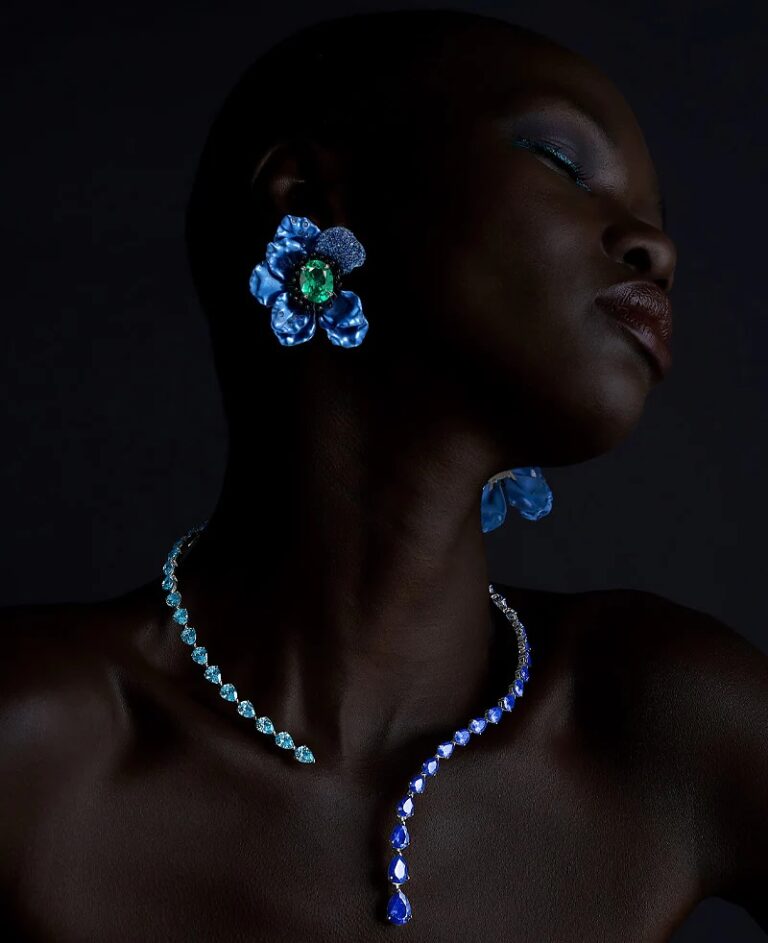
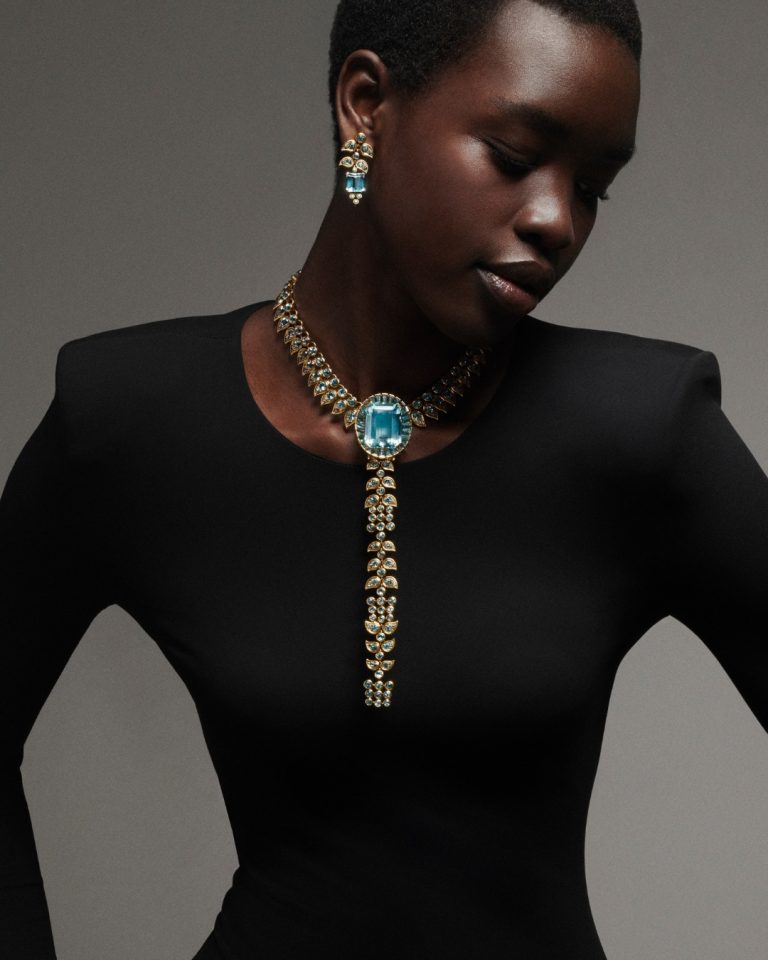
Jewelry, like fashion, exists on a spectrum. There are pieces made for everyday elegance, pieces created for milestone moments, and then there are creations designed to sit at the pinnacle of art, craft, and imagination. This is where the conversation around high jewelry vs fine jewelry becomes essential. This conversation isn’t just for collectors, but for anyone who wants to understand how the luxury world categorizes beauty, value, and craftsmanship.
Although these terms are often used interchangeably, they describe two completely different worlds. One speaks the language of wearability and refinement; the other speaks the language of rarity, artistry, and cultural significance. If you’ve ever wondered what makes high jewelry so extraordinary, or whether you should invest in fine jewelry instead, this guide breaks down every meaningful difference.
What Is Fine Jewelry? A Foundation of Precious Materials and Everyday Luxury
Fine jewelry is the category most people are familiar with — the rings, necklaces, and earrings crafted from precious metals like 18k gold, platinum, or sterling silver. They are often set with diamonds, pearls, or colored gemstones. It is the jewelry you buy for anniversaries, birthdays, graduations, engagements, and the big moments that deserve something lasting.
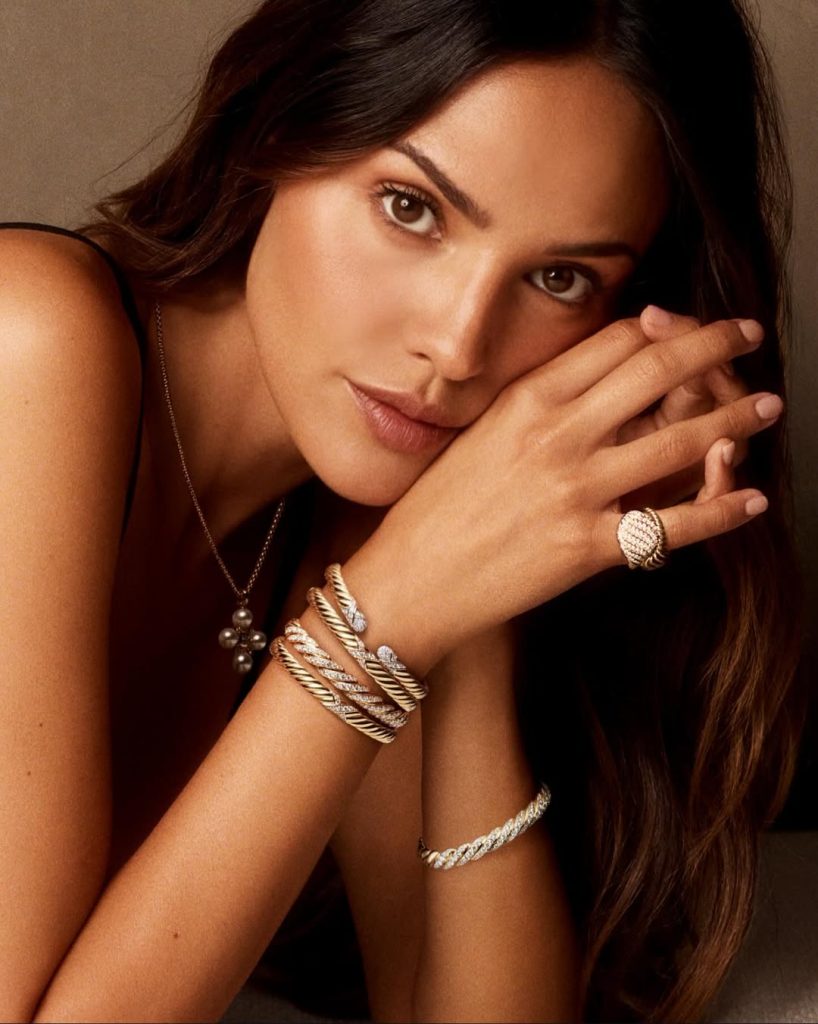
Fine jewelry is durable, wearable, and designed to accompany you through daily life. Whether it’s a classic diamond pendant or a beautifully crafted gold band, the essence of fine jewelry lies in its balance: luxurious but approachable, precious but practical.
Brands like David Yurman, Roberto Coin, Pomellato, and modern designers across the globe create collections that fall into this category.
What Is High Jewelry? The Haute Couture of the Jewelry World
High jewelry, known in French as haute joaillerie, occupies the highest tier of jewelry craftsmanship. Think of it as the equivalent of haute couture. It’s created in extremely limited quantities, often one-of-one, and designed to embody the pinnacle of artistry, storytelling, and innovation.

High jewelry is not simply about diamonds and gemstones. It is about the transformation of those materials through imagination and technique. These are the pieces you see unveiled during Paris Couture Week, at exclusive presentations in Geneva, or in private salons in New York, London, and Hong Kong.
When high jewelry houses like Cartier, Van Cleef & Arpels, Boucheron, Bvlgari, Chaumet, Graff, Harry Winston, and Piaget create a high jewelry piece, it often requires months—sometimes years—of work. Each piece embodies hundreds (and sometimes thousands) of hours of hand labor. Each stone is selected not just for beauty, but for symbolism, rarity, and narrative.
High jewelry is not designed for “everyday.” It is designed for legacy.
High Jewelry vs Fine Jewelry: The Eight Defining Differences
Understanding the difference between high jewelry and fine jewelry requires more than a quick comparison. These two categories differ in philosophy, craftsmanship, availability, and even purpose. Below is a detailed breakdown of eight major differences that matter most to collectors, enthusiasts, and anyone trying to make an informed purchase.
Craftsmanship
Fine jewelry is beautifully made, often combining handcraft with technical precision. But high jewelry is entirely handcrafted, sometimes by a single master artisan working for months.
Fine jewelry:
- A mix of artisanal and production techniques
- Crafted for durability and repeatability
High jewelry:
- Created by highly specialized artisans
- Hand-engraved, hand-set, hand-polished
- Experimental techniques and bespoke engineering
This is why high jewelry is often described as wearable sculpture.
Materials and Gemstones
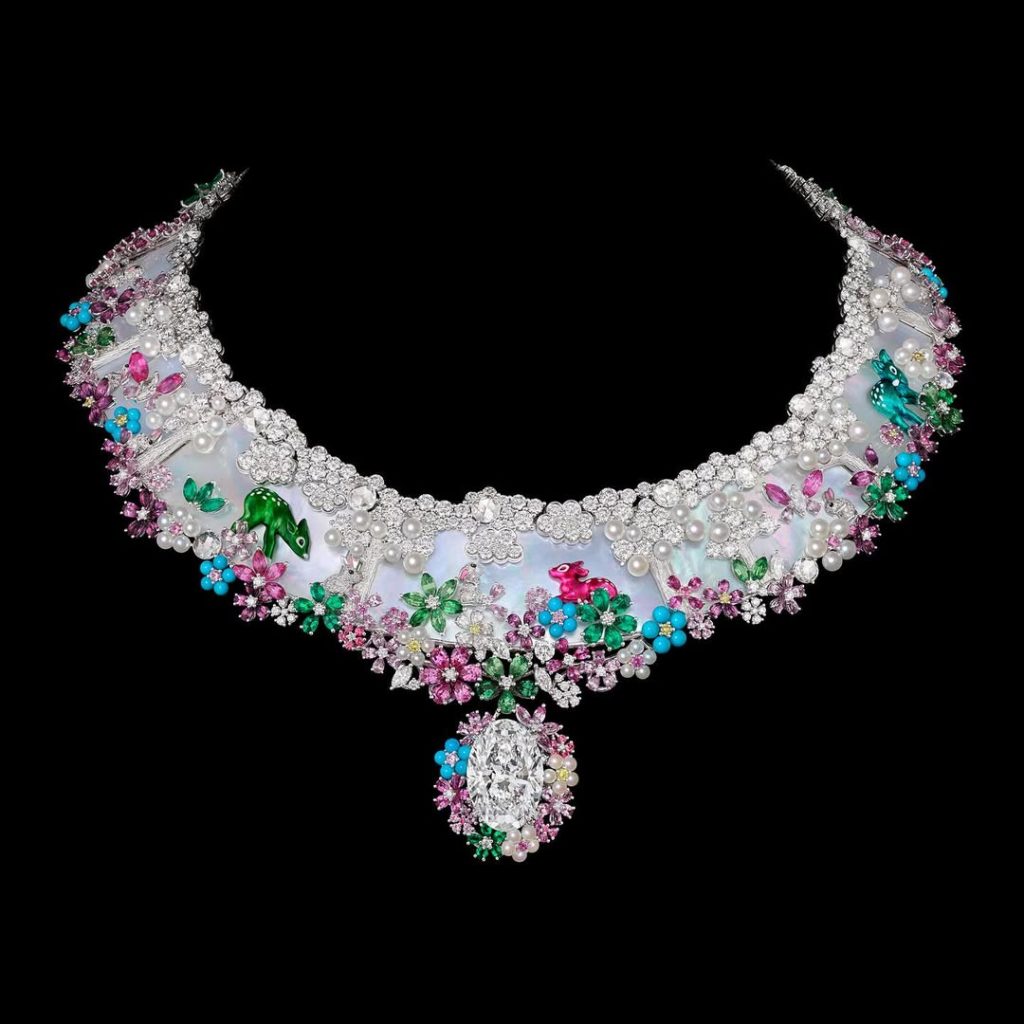
Fine jewelry uses high-quality stones and precious metals, but high jewelry uses the rarest gems in existence.
Fine jewelry stones: eye-clean diamonds, pearls, sapphires, rubies, emeralds
High jewelry stones:
- Museum-grade gems
- Kashmir sapphires
- Pigeon-blood rubies
- Colombian emeralds
- Flawless D color diamonds
- Extremely rare fancy color diamonds
High jewelry houses often purchase entire rough stones, cut them in-house, and build narratives around the finished gems.
Exclusivity and Production
Fine jewelry is widely accessible. High jewelry is not.
Fine jewelry:
- Sold globally
- Repeatable collections
- Large client base
High jewelry:
- Limited to a handful of pieces
- Often one-of-one
- Offered to clients privately
- Sometimes never displayed publicly
In some houses, you must be invited to view the high jewelry collection, and not every piece is available to every client.
Design Philosophy
- Fine jewelry favors wearability. High jewelry favors artistic expression.
- Fine jewelry is made to be worn frequently.
- High jewelry is made to be experienced, studied, and admired.
This is why high jewelry often features transformable elements, hidden mechanisms, unusual gemstone combinations, and bold aesthetic experiments. Simply put, it is jewelry as a storytelling medium, not just an adornment.
Price
Here is where the distinction becomes unmistakable between the two. Fine jewelry can range from a few hundred dollars to over $100,000, depending on materials, brand, and craftsmanship. High jewelry, on the other hand, starts around $50,000–$100,000 and often exceeds several million dollars. A single necklace can represent years of labor and contain stones that appear only once in a generation.
Selling Experience
Fine jewelry is usually sold through boutiques, department stores, or authorized retailers. Meanwhile, high jewelry is sold in a number of exclusive ways, including by private appointment, during couture presentations, at high jewelry exhibitions, through personal client advisors, and sometimes via invitation-only events. This experience is intentionally exclusive, reinforcing the rarity of each piece.
Brand Positioning
High jewelry is only produced by a small circle of maisons, including:
- Cartier
- Van Cleef & Arpels
- Bvlgari
- Graff
- Chaumet
- Boucheron
- Harry Winston
- De Beers
- Piaget
Most brands that produce fine jewelry do not produce high jewelry as the skill, capital, gemstone supply, and heritage required are immense.
Collector Value
Fine jewelry holds value through materials and brand recognition. High jewelry, however, can appreciate significantly over time, especially if it includes rare gemstones, a historical narrative, a transformative design, limited production, and outstanding craftsmanship.
Auction houses like Christie’s and Sotheby’s regularly achieve extraordinary results for high jewelry, often surpassing original retail prices.
Inside the Making of High Jewelry: A World Few People See
Understanding the process offers invaluable insight into why high jewelry holds such prestige. While fine jewelry follows a streamlined workflow, high jewelry involves a multi-stage, deeply collaborative process:
- Creative Concepting: Designers create sketches inspired by art, nature, history, mythology, or architecture. Entire collections may take years to conceptualize.
- Stone Procurement: Gemologists search globally for stones that meet exacting criteria: richness, fire, provenance, and emotional impact.
- Technical Design and Modeling: Artisans build models, often in wax or 3D, to test balance, fit, and engineering.
- Metalwork: Goldsmiths and platinum specialists shape the foundation of each piece, often sculptural and multidimensional.
- Gem Setting: Master setters spend weeks placing stones, sometimes using techniques specific to the maison.
- Polishing and Finishing: High polish, enamel work, engraving, and final detailing elevate the piece into a wearable art object.
Every stage is meticulous, time-intensive, and led by a small team of highly specialized craftspeople.
High Jewelry vs Fine Jewelry: Real Examples
It helps to visualize the difference.
High Jewelry Examples:
- Van Cleef’s Zip Necklace
- Cartier’s Panthère high jewelry bracelets
- Bvlgari’s Serpenti high jewelry masterpieces
- Graff’s D color diamond necklaces
- Boucheron’s sculptural “Animals of Style” pieces
Fine Jewelry Examples:
- Tiffany T
- Cartier Love bracelet
- Bvlgari B.Zero1
- Pomellato Nudo rings
- Mikimoto Akoya pearl strands
Both categories are beautiful; they are just made for different purposes.
Why High Jewelry Is So Expensive
There are clear reasons behind the sky-high prices of high jewelry:
- Scarcity of materials
- Artistic innovation
- Hours of hand-craftsmanship
- Master-level artisans
- One-of-a-kind rarity
- Brand prestige
- Historical value
So, Should You Choose High Jewelry or Fine Jewelry?
This depends entirely on intention. Choose fine jewelry if you want:
- Everyday wear
- Durability
- Timeless designs
- Pieces that suit an active lifestyle
- Accessible price points
Choose high jewelry if you want:
- Collectible art
- Significant gemstones
- One-of-one creations
- Heirloom-level craftsmanship
- Pieces with long-term investment potential
In essence, fine jewelry fits into your life, while high jewelry becomes part of your legacy.
Caring for High Jewelry vs Fine Jewelry
Proper care ensures longevity, especially for high jewelry.
Fine Jewelry Care Tips:
- Gentle cleaning at home
- Annual polishing
- Proper storage
- Occasional professional inspection
High Jewelry Care Tips:
- Store in climate-controlled boxes
- Avoid frequent wear
- Annual check-ins with the maison
- Insurance coverage is essential
- Handle with gloves when possible
High jewelry requires the same reverence you would give a valuable artwork.
FAQ: Your Most Common Questions Answered
- What makes high jewelry “high”?
Rarity, craftsmanship, and exceptional materials. It represents the highest level of jewelry-making. - Is high jewelry handmade?
Yes. Every high jewelry piece is created entirely by hand. - Why is fine jewelry still expensive?
Because it uses precious metals and real gemstones, and often involves significant craftsmanship. - Does high jewelry appreciate in value?
Certain pieces, especially those with rare gemstones or strong provenance, can gain value over time. - Why is high jewelry rarely sold online?
These pieces require personalized client service, security, and controlled presentation.
Conclusion
Understanding high jewelry vs fine jewelry is more than a lesson in luxury jargon. It is a way to appreciate the spectrum of creativity, craftsmanship, and heritage that defines the world of jewelry. Fine jewelry elevates the everyday. High jewelry, however, transcends it. These pieces transform stones into stories, metal into sculpture, and craftsmanship into legacy.
Both categories exist for a reason. Fine jewelry connects to your lifestyle. Meanwhile, high jewelry connects to your imagination. In a world where beauty can feel fleeting, jewelry in all its forms remains one of the few art forms designed to last generations.
Featured image: Graff

Lydia Oladejo is a creative writer with over seven years of experience writing intriguing stories and engaging content. As a Staff Writer at Sewelo, she explores the artistry and history of high jewelry, blending her expertise in storytelling with a passion for luxury design.