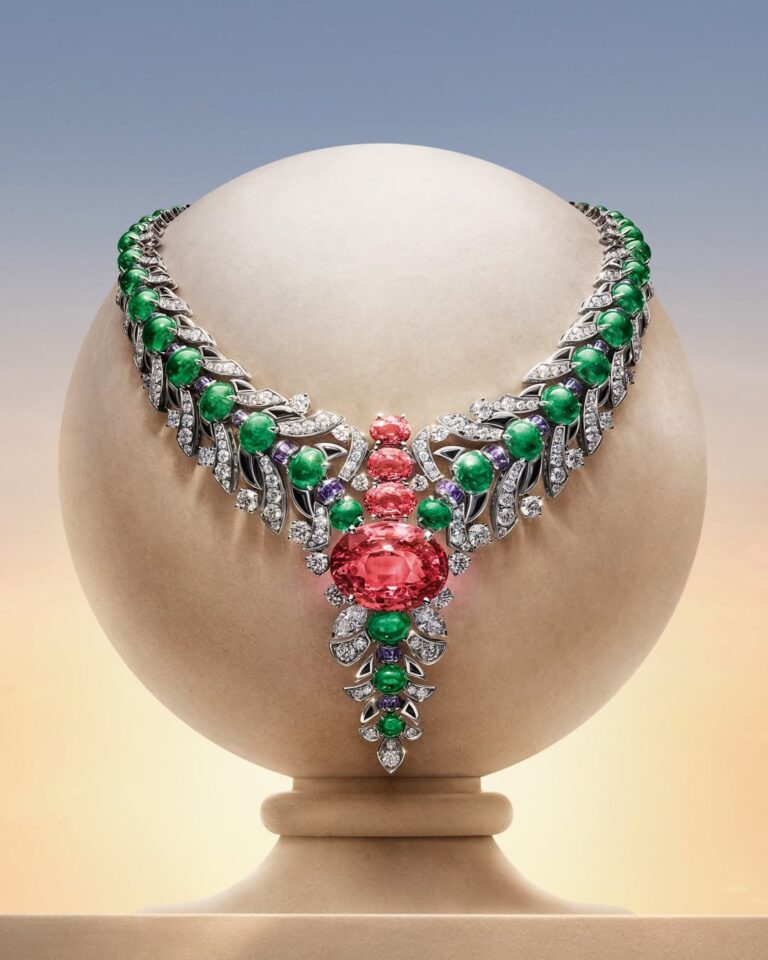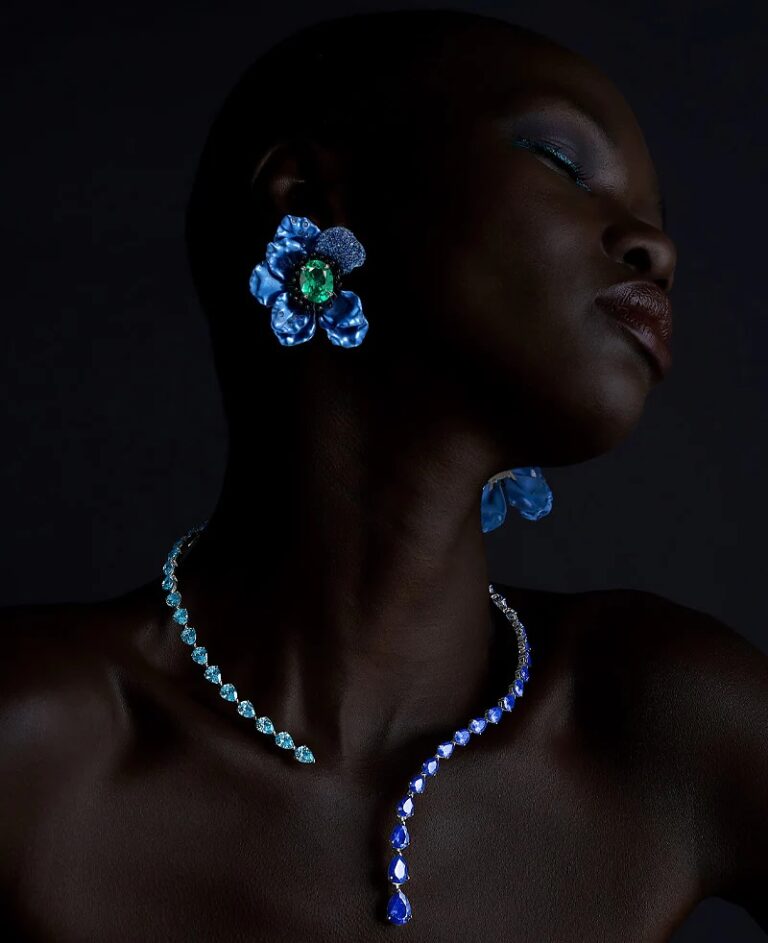

For millennia, emerald jewelry has captivated humanity with its mesmerizing green hue—a color so distinctive that “emerald green” has become the benchmark by which all other greens are measured. From ancient Egyptian pharaohs who believed emeralds granted eternal life to contemporary collectors who prize these gems as investment-worthy art, the emerald gemstone remains one of the most coveted and enduring symbols of power, renewal, and refined taste. To the early Egyptians, green was a sacred color associated with the fertility of the land annually flooded by the Nile. Pharaohs were buried with emeralds, the symbol of eternal life.
What makes emerald jewelry so timelessly appealing? It’s the convergence of breathtaking color unmatched by any other gemstone, rich historical significance spanning 5,000+ years of human civilization, genuine rarity with fine natural emeralds becoming increasingly scarce, and enduring value with premium pieces appreciating over time. Whether you’re drawn to the legendary prestige of Colombian emeralds, considering an emerald engagement ring, or simply appreciating their lush beauty, understanding these remarkable gems ensures informed decisions that bring lasting satisfaction.

This comprehensive guide explores emerald’s fascinating history, the distinctions between emerald origins, what determines value, and essential knowledge for buying and caring for these precious gems.
What Is an Emerald? Understanding the Gemstone
Natural emerald belongs to the beryl family of minerals, colored green by trace amounts of chromium and sometimes vanadium. Beryl has a chemical composition of Be₃Al₂(SiO₃)₆, with emerald’s distinctive green resulting from chromium and/or vanadium replacing some aluminum in the crystal structure. This specific coloring mechanism distinguishes true emerald from other green beryls like heliodor or morganite.

Emeralds form in metamorphic rocks through complex geological processes requiring specific temperature, pressure, and chemical conditions. The rarity of these precise conditions explains emeralds’ scarcity, finding beryllium and chromium together in the same geological environment is uncommon, making significant emerald deposits genuinely rare.
Hardness and Durability
Emeralds rank 7.5-8 on the Mohs hardness scale, placing them harder than quartz but softer than sapphire or diamond. This hardness makes emeralds suitable for all jewelry applications, though their brittleness requires care. Unlike diamonds or sapphires with exceptional toughness (resistance to breaking or chipping), emeralds often contain numerous internal fractures making them more fragile despite reasonable hardness.
Why Inclusions Are Expected
Emeralds are Type 3 gems, meaning they usually grow with a high number of inclusions. These internal characteristics—fractures, mineral crystals, liquid inclusions—are so common that completely flawless emeralds are extraordinarily rare and expensive. The French term “jardin” (garden) poetically describes emeralds’ internal landscapes visible under magnification.

Unlike diamonds where clarity significantly affects value, emerald appreciation focuses primarily on color. Eye-visible inclusions are accepted and expected in fine emeralds. What matters is whether inclusions compromise transparency or structural integrity—emeralds maintaining good transparency despite inclusions command premium prices.
A Brief History of Emerald Jewelry
Ancient Egypt: Cleopatra’s Treasure
In one of the rare cases where legend and fact coincide, the history of the emerald truly begins in Egypt, where Cleopatra’s mine really did exist. During her 21-year reign, she claimed ownership over all the emerald mines in Egypt. The famous Egyptian emerald mines near Mons Smaragdus (Emerald Mountain) were the world’s primary emerald source until significant Colombian deposits were discovered in the 16th century.
Cleopatra reportedly gifted dignitaries with emeralds, wore it herself and adorned her palace with emerald gems. The Egyptians believed emeralds symbolized fertility, immortality, and restoration, the green color was associated with life itself. Pharaohs were buried with emeralds to ensure eternal youth in the afterlife.
Roman and Mughal Splendor
The Romans treasured emeralds equally. Pliny the Elder wrote in his Natural History: “Indeed no stone has a color that is more delightful to the eye…we have all the more pleasure in looking upon the emerald, there being no green in existence more intense than this.”
When Spanish traders discovered Colombian emeralds, it is through the territory of Goa, which was under Portuguese control for over 400 years, that these high-quality emeralds began making their way to Indian royalty and jewelers. Mughal emperors created some of history’s finest emerald jewelry, often carving large emeralds with Islamic inscriptions and setting them in elaborate gold jewelry.
Renaissance to Modern Era

European royalty embraced emeralds during the Renaissance, incorporating them into crown jewels and important jewelry. The Victorian era saw renewed emerald popularity, while Art Deco designers celebrated emeralds’ bold color in geometric designs paired with diamonds and onyx. Mid-century and contemporary jewelers continue featuring emeralds in both classic and innovative designs, with houses like Cartier, Van Cleef & Arpels, and Bvlgari creating iconic emerald pieces.
Types of Emeralds Used in Jewelry
Colombian Emeralds
Colombia supplies 60-80% of the world’s emeralds and sets the quality benchmark. Colombian emeralds are highly desired because of their relative lack of cracks or inclusions, their unique, warm tone, and their vivid saturation. The finest Colombian emeralds display pure, intense green with slight bluish undertones, the color standard by which all emeralds are judged.

Famous Colombian mines include Muzo (producing the most prized emeralds with exceptional color and clarity), Chivor (known for bluish-green stones), and Coscuez (yielding vibrant green emeralds). Colombian emeralds get their color primarily from chromium, creating warmer, more intense pure green than emeralds from other sources. Colombian emeralds can range up to $100,000 per carat for exceptional stones, though quality specimens typically cost $5,000-$30,000 per carat.
Zambian Emeralds
Zambia became the world’s second-largest emerald producer, supplying 12-18% of global emeralds. Zambian emeralds possess a perfect balance of quality and price, therefore proving to be a good alternative to the intensely rare and expensive Colombian emeralds.

Zambian emeralds typically display deeper, more saturated green with bluish undertones due to higher iron content. They often show excellent clarity with fewer inclusions than Colombian stones. While slightly cooler in tone than Colombian emeralds, top Zambian specimens rival Colombian quality at more accessible prices, typically $1,000-$30,000 per carat for fine stones.
Brazilian Emeralds
Brazil produces emeralds primarily in Minas Gerais state. Brazilian emeralds typically show lighter color with yellowish-green hues due to vanadium rather than chromium providing coloring. Brazilian emeralds generally have more visible inclusions than Colombian or Zambian stones but offer good value, typically costing $500-$5,000 per carat. They provide accessible entry into emerald ownership while still offering genuine beauty.
Other Notable Sources
Afghanistan, Ethiopia, and Zimbabwe produce emeralds with distinctive characteristics. Afghan emeralds often show good color saturation. Ethiopian emeralds are relatively new to the market. Zimbabwe’s Sandawana mine produces small but intensely colored emeralds. Each origin contributes unique characteristics to the global emerald market.
Emerald Color, Clarity & the “Jardin” Effect
Ideal Color Range
The most valuable emeralds display bluish-green to pure green with vivid saturation and medium to medium-dark tone. Simply put, the tone is not too dark. Color that’s too light appears washed out, while excessive darkness makes the stone appear nearly black.

The “gota de aceite” (drop of oil) effect describes the velvety texture visible in the finest emeralds, a soft, liquid-like appearance caused by microscopic inclusions that diffuse light beautifully. This phenomenon appears in perhaps one in a thousand fine emeralds, primarily from Colombian sources.
The Jardin Effect
“Jardin” (French for garden) describes emeralds’ characteristic inclusions. Rather than detracting from beauty, attractive jardin adds character and proves natural origin. Well-distributed inclusions creating interesting patterns without compromising transparency can enhance rather than diminish appeal.
Collectors learn to appreciate jardin as emerald’s fingerprint, evidence of natural formation and individuality. However, excessive inclusions reducing transparency or creating structural weaknesses significantly affect value.
How Cut Enhances Beauty
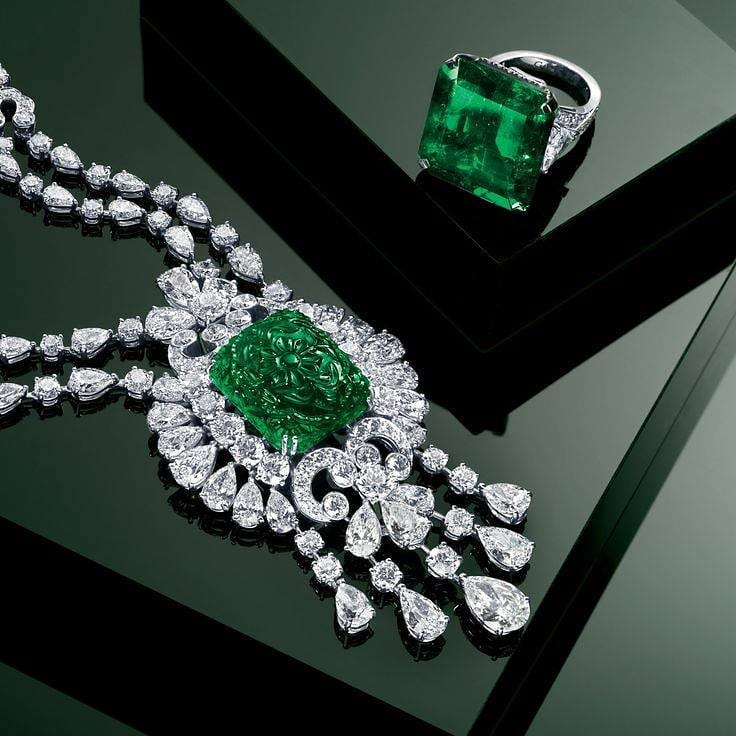
The classic “emerald cut,” rectangular with step-cut facets and truncated corners, was specifically developed for emeralds. This cut minimizes pressure on vulnerable corners while showcasing color beautifully. The step facets create large, open “windows” that display emerald’s color with minimal interference.
Natural vs Treated Emeralds
Common Treatments
The trade generally accepts eye-visible inclusions in higher-quality emeralds. However, to improve appearance and durability, most emeralds receive clarity enhancement through oil or resin treatment. Oil fills surface-reaching fractures, improving transparency and reducing visible inclusions.
Traditional treatment uses colorless oils or cedar oil. Modern treatments may employ opticon or other resins providing more permanent enhancement. Treatment levels range from minor (oil that may need refreshing over time) to moderate (more stable resin filling) to significant (extensive filling affecting color).
Acceptable vs Excessive Treatment

Minor oiling is industry-standard and accepted, typically not significantly affecting value. Moderate enhancement with stable materials remains acceptable but should be disclosed and reflected in pricing. Significant treatment, excessive filling, colored oils, or treatments dramatically altering appearance, should be avoided or purchased at substantial discounts.
Disclosure and Certification
Reputable dealers disclose all treatments. Major gemological laboratories including GIA provide emerald reports classifying enhancement levels as minor, moderate, or significant. Always request disclosure and, for significant purchases, independent certification verifying treatment level and confirming natural origin.
What Makes Emerald Jewelry Valuable?
Color and Saturation
Color drives emerald value more than any other factor. Vivid, intensely saturated pure green commands premiums. Stones with yellowish or grayish modifiers value less than pure green. Excellent color can command $10,000-$100,000+ per carat, while pale or off-color emeralds might sell for hundreds per carat.
Origin and Rarity

Colombian origin typically adds 20-50% premium over comparable Zambian or Brazilian emeralds due to established reputation and traditional prestige. However, exceptional emeralds from any source command respect. A superb Zambian emerald can exceed a mediocre Colombian stone in both beauty and value.
Size and Cut
Emeralds are sold by carat weight, but per-carat prices increase dramatically with size. A 1-carat fine emerald might cost $5,000 per carat ($5,000 total), while a 5-carat equivalent could command $15,000 per carat ($75,000 total), fifteen times more for five times the weight. Expert cutting maximizes color while working around inclusions, adding significant value through skilled craftsmanship.
Treatment Level and Setting
Minor treatment minimally affects value. Significant enhancement substantially reduces worth compared to lightly treated equivalents. The setting quality, platinum versus gold, simple versus elaborate, designer versus generic, contributes to overall emerald jewelry value beyond the stone itself.
How to Buy Emerald Jewelry
What to Look For
When purchasing emerald jewelry, prioritize color over clarity within your budget. A vivid, slightly included emerald outshines a pale, cleaner stone. Examine emeralds under various lighting—daylight, fluorescent, and incandescent—to understand true color.
Also, ask about treatment level and request written disclosure. For purchases over $1,000, consider independent certification from GIA or other reputable laboratories. Verify the emerald is natural rather than synthetic or simulant.
Choosing Origin and Quality
Colombian emeralds offer traditional prestige and often exceptional color but command premiums. Zambian emeralds provide excellent alternatives with superb quality at better value. Brazilian emeralds suit budget-conscious buyers seeking genuine emeralds without paying premium prices. Focus on the individual stone’s beauty rather than origin alone, an exceptional Zambian emerald beats a mediocre Colombian specimen.
Certification and Lab Reports

For significant purchases, insist on gemological certification. GIA Emerald Reports identify natural origin, describe treatment level, and document color and characteristics. These reports provide essential documentation for insurance and future resale while confirming authenticity.
Red Flags to Avoid
Suspiciously perfect emeralds without visible inclusions at low prices likely indicate synthetic stones or simulants. Prices dramatically below market suggest problems—severe treatment, inferior quality, or non-emerald green beryl. Sellers unwilling to discuss treatment or provide documentation warrant caution.
Shop editor’s finds
How to Care for Emerald Jewelry
Why Special Care Is Needed

Emeralds’ brittleness and typical fractures require gentle handling. Internal fissures can propagate if stressed, and surface-reaching fractures may allow oils or chemicals to enter, affecting appearance.
Safe Cleaning Methods
Clean emerald jewelry with lukewarm water, mild soap, and soft cloths or brushes. Gently scrub, rinse thoroughly, and pat dry immediately. Never use ultrasonic cleaners (vibrations can worsen fractures), steam cleaners (heat and moisture damage), or harsh chemicals. For valuable pieces, professional cleaning by jewelers experienced with emeralds ensures safe maintenance.
Storage and Wearing
Store emeralds separately from harder gems that could scratch them. Avoid extreme temperatures and prolonged direct sunlight. Remove emerald jewelry before swimming (chlorine affects emeralds), exercising, applying cosmetics or lotions, and any activity involving chemicals or impacts.
Emerald Meaning and Symbolism
As May’s birthstone, emeralds represent spring, renewal, and growth. Throughout history, emeralds have symbolized fertility and rebirth (ancient Egypt), wisdom and eloquence (ancient Rome), successful love and domestic bliss (Renaissance Europe), and hope and new beginnings (modern associations). Emerald jewelry makes meaningful gifts for May birthdays, 20th and 35th wedding anniversaries, and engagements. The rich symbolism adds emotional significance beyond aesthetic beauty.
Frequently Asked Questions
Is emerald jewelry expensive?
Emerald jewelry ranges from accessible to extremely expensive depending on quality. Commercial-grade emeralds cost $200-$1,000 per carat, fine emeralds $2,000-$10,000 per carat, and exceptional specimens $20,000-$100,000+ per carat. Settings add additional cost.
Can emeralds be worn every day?
Yes, with reasonable precautions. Remove emeralds during risky activities, clean gently, and have settings checked regularly. Protective settings like bezels enhance durability for daily wear.
Why are emeralds treated?

Most emeralds contain fractures reaching surfaces. Treatment with oil or resin fills these fractures, improving transparency and appearance while stabilizing the stone. This traditional practice is industry-standard for emeralds.
Are emeralds rarer than diamonds?
Fine natural emeralds are genuinely rarer than diamonds of comparable size and quality. While diamonds are relatively abundant, emeralds require specific geological conditions making significant deposits uncommon.
What is the best emerald origin?
Colombian emeralds traditionally set the benchmark, but exceptional emeralds from Zambia, Brazil, and other sources can rival or exceed Colombian quality. Focus on individual stone characteristics rather than origin alone.
Why Emerald Jewelry Remains a Collector’s Favorite
Emerald jewelry endures as one of gemology’s most coveted categories because these stones offer something diamonds cannot—color that seems to glow from within, historical significance connecting wearers to millennia of human civilization, genuine rarity that makes each stone precious, and versatility spanning ancient amulets to contemporary high jewelry.
Understanding emeralds, their formation, origins, treatments, and value factors, empowers informed purchasing decisions. Whether acquiring a Colombian masterpiece, a beautiful Zambian emerald, or an accessible Brazilian stone, knowledge ensures satisfaction and protects against overpaying or purchasing inferior goods.
As you explore emerald jewelry, remember that the perfect emerald speaks to you personally. Some prefer Colombian prestige, others appreciate Zambian value, and many simply choose the greenest, most beautiful stone regardless of origin. Trust your eye, buy from reputable sources, obtain proper documentation, and care for your emeralds properly. With these guidelines, your emerald jewelry will bring lasting beauty and joy for generations to come.
Featured images: Graff

Amanda Akalonu is dedicated to weaving together the worlds of jewelry, watches, and objects through a lens of literary storytelling.