Luxury jewelry designer David Yurman has filed a copyright infringement lawsuit against TJX Companies, the parent company of discount retail chains TJ Maxx and Marshalls, marking what could become a landmark legal battle in the escalating war against the so-called “dupe economy.” The complaint, filed on February 11, 2026, in the U.S. District Court for the Southern District of New York, alleges that TJX has been selling knockoff versions of David Yurman’s iconic jewelry designs that are “virtually indistinguishable” from the authentic pieces.
The Core Allegations
The case centers on accusations that the discount retailer has been profiting from unauthorized copies of the designer’s copyrighted creations. According to court documents, David Yurman Enterprises LLC asserts that TJX’s alleged imitations closely mimic the brand’s distinctive designs, including pieces that have become synonymous with the David Yurman name over its more than 40-year history.

“Like many successful brands, David Yurman has had to confront the proliferation of ‘dupes’—copies of brand-name goods that are meant to look just like the authentic designer version but without the designer price tag,” the complaint states. The filing continues with a pointed criticism of the trend: “The growing trend of dupes, where an artist’s hard work is slavishly copied by unscrupulous third parties, undermines the entire nature of creative design and expression.”
The lawsuit claims that the similarity between TJX’s products and authentic David Yurman jewelry has created consumer confusion. Evidence submitted in the complaint includes social media posts from TikTok and other platforms where shoppers expressed belief that they were purchasing genuine David Yurman products at TJ Maxx and Marshalls locations. However, according to the lawsuit, these alleged copies are manufactured with “far inferior materials” compared to the authentic designs.
A Test Case for Dupe Culture
Legal experts suggest that David Yurman suing TJ Maxx could have significant implications for the broader retail industry and the rapidly expanding “dupe economy.” The Fashion Law, which first reported on the lawsuit, described it as potentially “a major test” of this growing phenomenon that has become particularly popular among Gen Z and millennial consumers.

The dupe economy has exploded in recent years, fueled by social media influencers and content creators who regularly showcase affordable alternatives to luxury goods. A 2024 Guardian report highlighted that “dupe culture looks likely to become a permanent part of young shoppers’ habits, with ‘dupe discourse’ permeating every online medium, from YouTube and Instagram to digital magazine listicles and blogs.”
The same report noted that nearly one-third of U.S. adults admitted to intentionally purchasing a dupe of a premium or luxury product, and significantly, many consumers choose dupes even when they can afford the authentic version. Some retail analysts have suggested that luxury brands should embrace dupe culture as an opportunity to strengthen brand awareness and cultural relevance rather than fighting it in court.
David Yurman, however, has taken a decidedly different stance, viewing these copies as a direct threat to intellectual property rights and creative expression in the jewelry industry.
David Yurman’s History of Protecting Its Designs
This is not the first time David Yurman has taken legal action to protect its designs. The brand has a well-documented history of pursuing copyright and trade dress infringement cases against companies it believes have copied its distinctive aesthetic, particularly its signature twisted cable motif that has become the brand’s DNA.
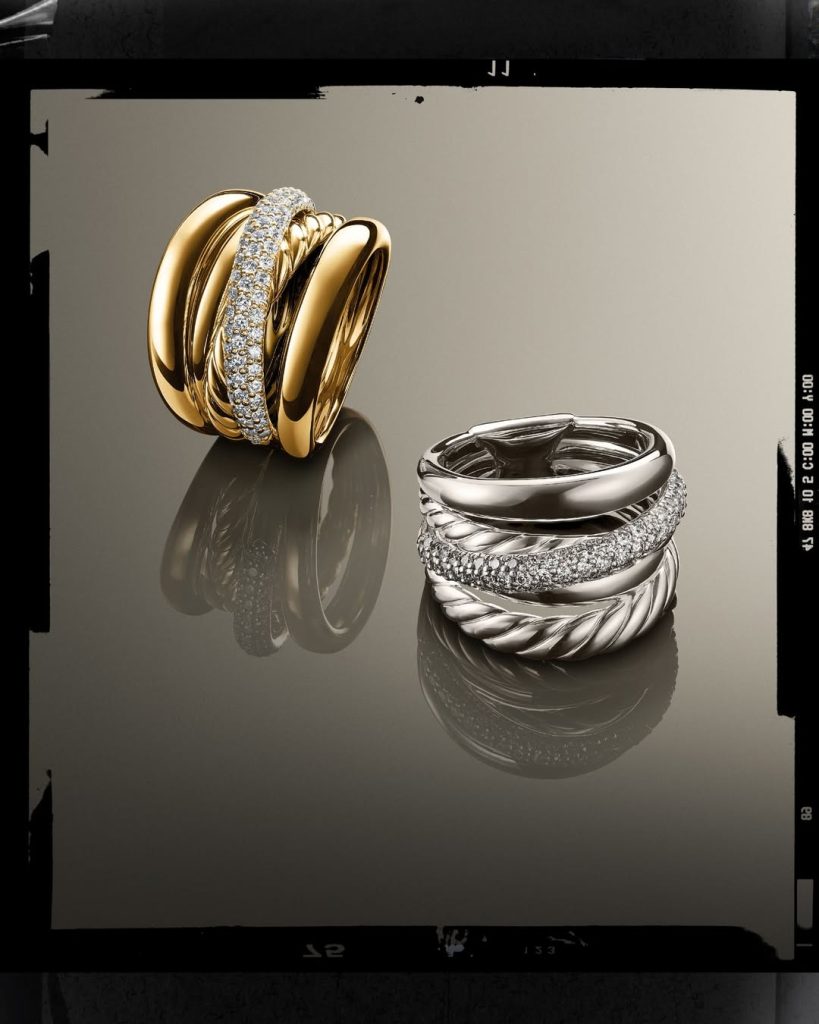
Most notably, David Yurman won a significant victory against PAJ Inc. in the early 2000s, receiving a permanent injunction and $1 million in statutory damages. More recently, in September 2023, the company filed separate lawsuits against Royal Chain and Samuel B., alleging systematic copying of multiple David Yurman collections. The brand also pursued legal action against Canadian jewelry company Mejuri in 2021 over similar allegations.
David Yurman suing TJ Maxx represents a notable escalation in strategy, this time targeting not the manufacturers of alleged knockoffs, but rather a major retail chain that sells them. This approach could set a precedent for how luxury brands combat the distribution of dupes through mainstream discount retailers.
TJX’s Response and Industry Reaction
As of the filing date, TJX Companies had not issued a public response to the lawsuit. The company, which operates over 4,900 stores worldwide, including TJ Maxx, Marshalls, HomeGoods, and HomeSense, did not respond to media inquiries seeking comment on the allegations.
The lawsuit has generated mixed reactions among consumers. While some support David Yurman’s right to protect its intellectual property, others have questioned the action. According to JCK Magazine, one consumer emailed the publication stating, “Yurman doesn’t sell [items] for $17. WTF!”—highlighting the vast price difference between authentic David Yurman pieces, which can cost hundreds to thousands of dollars, and the alleged dupes sold at discount retailers.
What’s at Stake
The case raises fundamental questions about copyright protection in fashion and jewelry design. David Yurman sues TJ Maxx at a time when the boundaries between inspiration, homage, and infringement remain hotly debated in the creative industries. While functional aspects of design are difficult to copyright, purely aesthetic elements can receive protection, and David Yurman has obtained numerous copyrights and trademark registrations for its distinctive designs over the decades.
The jewelry brand is seeking unspecified damages and injunctive relief that would prevent TJX from continuing to sell the allegedly infringing products. If successful, the case could embolden other luxury brands to take similar action against retailers carrying dupes of their designs.
The Broader Implications

As the lawsuit proceeds through federal court, it will likely draw significant attention from both the jewelry industry and the broader retail sector. The outcome could influence how discount retailers source and market jewelry products that bear resemblance to luxury designs, and whether social media-driven dupe culture faces new legal constraints.
For now, David Yurman has made clear that it views the protection of its copyrighted designs as non-negotiable, regardless of broader cultural trends that have normalized and even celebrated the purchase of designer dupes. The company’s willingness to pursue legal action against one of America’s largest off-price retailers demonstrates that when it comes to protecting decades of design innovation and brand equity, David Yurman is prepared to fight back, even if it means challenging the very foundations of the dupe economy that millions of consumers have embraced.
As this legal battle unfolds, it will serve as a critical test of whether copyright law can or should stand as a barrier against the democratization of luxury aesthetics in an era when social media has made designer inspiration accessible to everyone.
Featured images: David Yurman

Sewelo is a world where jewelry, watches, and objects come alive in a shimmering dance of fantasy. Through a literary lens, we celebrate the beauty and elegance that make these treasures more than just possessions.