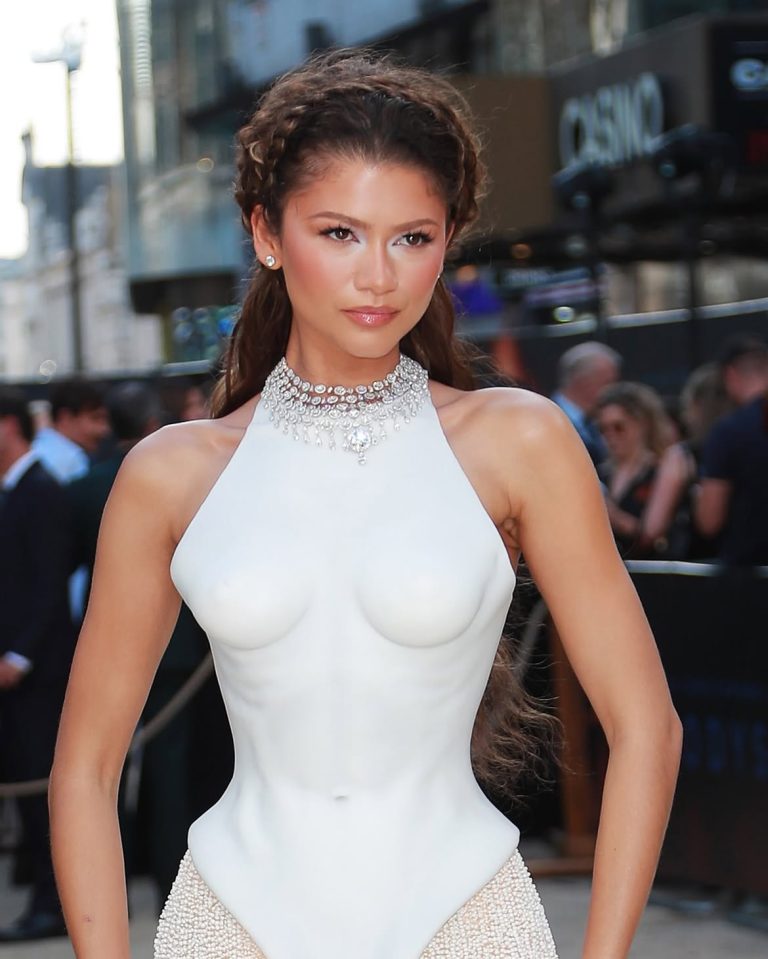
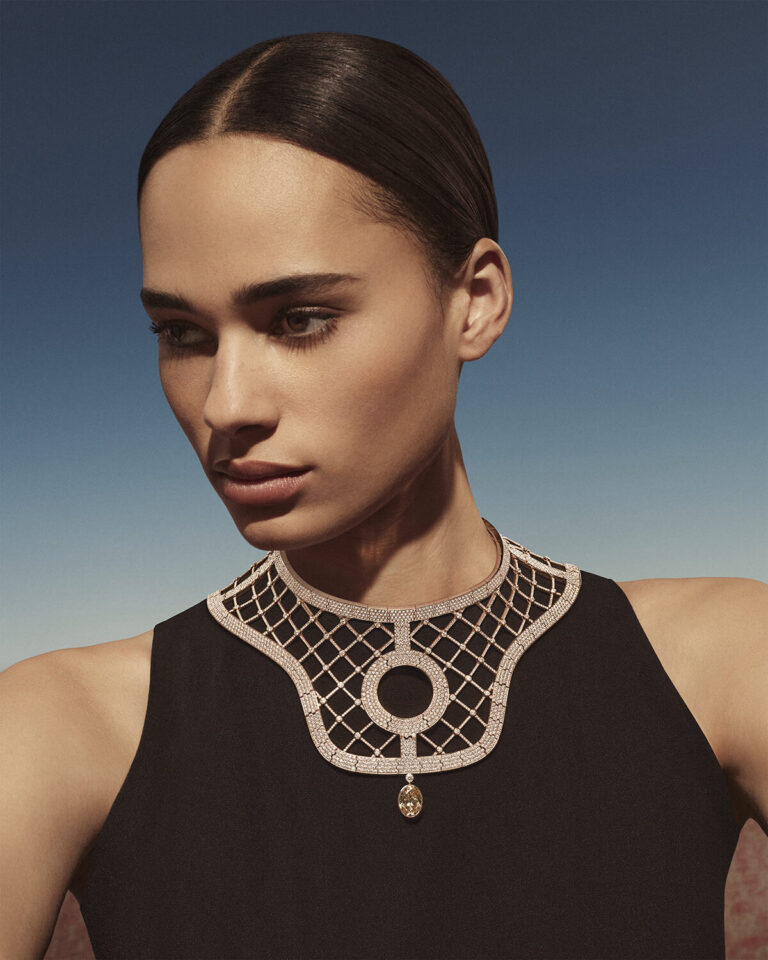
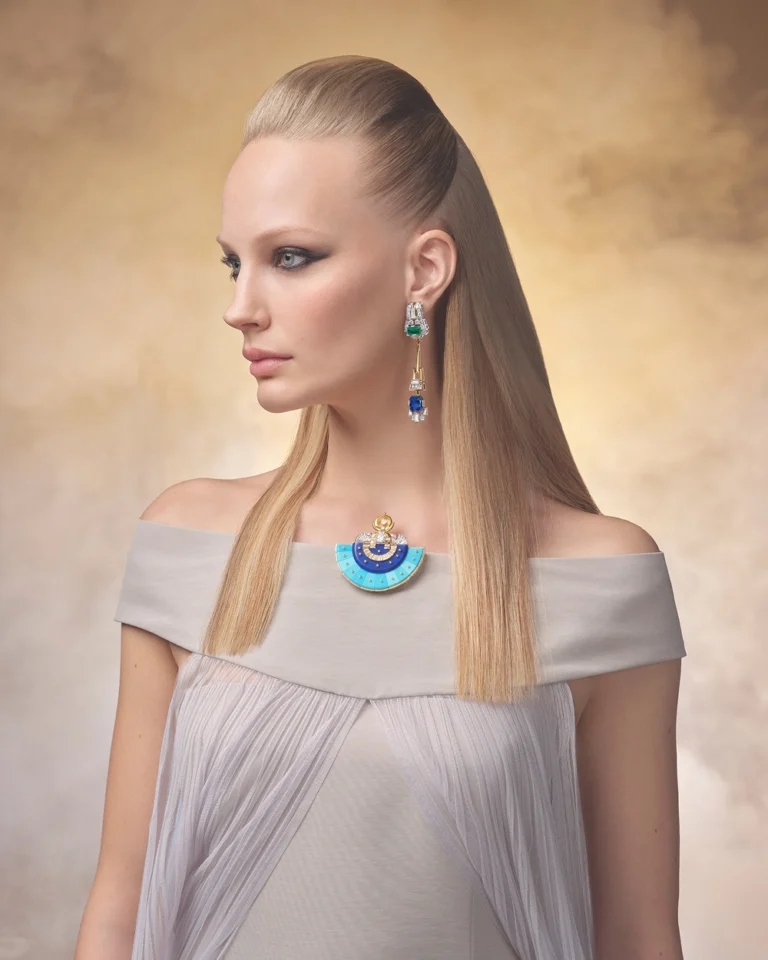
There’s something fascinating happening in the jewelry world right now, and if you’ve been paying attention, you’ve witnessed a transformation so dramatic it borders on absurd. Brown diamonds, stones that were literally used for industrial drill bits and abrasives until the 1980s, diamonds that jewelers struggled to sell for decades, diamonds so overlooked they commanded bargain prices, have suddenly become the obsession of 2025. They’re everywhere now: on red carpets, in celebrity engagement rings, plastered across Instagram feeds, and christened with seductive names like chocolate diamonds, champagne diamonds, cognac diamonds, and sunset diamonds.
In October 2025, De Beers launched Desert Diamonds, their first major “beacon” campaign in over a decade and their largest marketing investment in more than ten years. The campaign is massive—spanning television, digital, social media, outdoor advertising, and audio channels. Major retailers like Kay Jewelers, Jared, and designers like Neil Lane and Le Vian have created entire collections around these desert-hued stones. Celebrities are falling over themselves to wear brown diamonds. The industry is unified in declaring that the brown diamonds trend is here to stay, that these stones represent authenticity, individuality, and natural beauty. And suddenly, everyone wants them.

But let me ask you something: where was this enthusiasm five years ago? Ten years ago? Twenty years ago? These are the exact same stones that jewelers couldn’t give away, that were considered inferior to colorless diamonds, that ended up in industrial applications because their aesthetic value was deemed so low. Nothing about the diamonds themselves has changed. Their chemical composition is identical. Their formation process is the same. Their appearance hasn’t evolved. The only thing that’s changed is the marketing.
And that, right there, is the lesson we all need to learn.
The Remarkable Rise of Brown Diamonds
To understand how extraordinary this brown diamonds trend really is, you need to know where these stones came from. Until the 1980s, brown diamonds weren’t just overlooked—they were actively dismissed. The diamond industry had spent decades conditioning consumers to value colorless stones, and anything with a brown tint was considered an imperfection, a flaw, something to be avoided. These diamonds were so undesirable that the industry found them more useful in drill bits than in engagement rings.

Then came Australia’s Argyle mine, which had a problem. Approximately 80% of their diamond production consisted of brown and champagne-colored stones. They couldn’t simply ignore this massive inventory, so they did what any smart business would do. They rebranded. They gave these overlooked stones luxurious-sounding names like “champagne” and “cognac,” making brown suddenly sound sophisticated rather than industrial.
In 2007, jewelry company Le Vian took this strategy further by trademarking “Chocolate Diamonds” and partnering with Rio Tinto to market these brown stones as desirable. The campaign worked spectacularly. Google search volume for chocolate diamonds went from essentially zero in 2007 to over 400,000 searches annually by 2014. Celebrities like Taylor Swift, Kim Kardashian, Scarlett Johansson, and Kate Hudson started wearing them. What was once unwanted inventory became a sought-after status symbol.

In October 2025, De Beers launched its Desert Diamonds campaign, its biggest marketing push in over a decade. The campaign uses emotionally resonant storytelling to position brown diamonds—or rather, diamonds in “warm whites to champagne tones and amber hues”—as symbols of authenticity, uniqueness, and natural beauty. They’re framing these stones as the antidote to “uniform, commoditized” lab-grown diamonds, emphasizing that each desert diamond’s unique color makes it irreplaceable.
The marketing is brilliant. The execution is flawless. And the message is clear: brown diamonds aren’t flawed; they’re individual. They’re not inferior; they’re authentic. They’re not industrial byproducts; they’re nature’s masterpieces. This has led to the brown diamonds trend that’s dominating conversations worldwide.
And millions of consumers are buying it. Literally.
The Expert Advice Dilemma
Here’s where things get uncomfortable. For decades, if you asked jewelry experts whether you should invest in brown diamonds, the answer was a resounding no. These stones were not considered valuable. They didn’t hold their worth. They weren’t collectible. If you wanted to build a jewelry collection of pieces that would appreciate or at least maintain their value, experts would steer you toward colorless diamonds, fancy colored diamonds in rare hues like pink or blue, or precious colored gemstones. Brown diamonds? They weren’t even part of the conversation.
Now, suddenly, they’re sought after. They’re trendy. They’re appearing in high jewelry collections from prestigious houses. Designers are creating entire lines around them. Consumers are specifically requesting them. So which advice was correct? The decades of experts telling us brown diamonds weren’t valuable, or today’s experts telling us they represent the future of natural diamond jewelry?
This isn’t just about brown diamonds. The same pattern has played out with other gemstones, perhaps most notably with amethyst. There was a time when amethyst was considered one of the cardinal gemstones—precious in the same category as diamonds, rubies, emeralds, and sapphires. Until the 18th century, high-quality amethyst commanded prices comparable to those of these elite stones. European royalty treasured it. It adorned ecclesiastical jewelry. It was rare, coveted, and genuinely valuable.
Then came the discovery of massive amethyst deposits in South America, particularly in Brazil and Uruguay. The market was flooded with supply. Almost overnight, amethyst went from precious to “semi-precious.” Its value plummeted. Today, you can purchase beautiful amethyst for a fraction of what it once commanded, and it’s no longer considered an investment-grade gemstone by most experts.

So let me ask: what was the point of buying amethyst for its investment value in the 17th century if that value was going to evaporate the moment someone discovered a new mine? Those buyers followed the expert advice of their time. They purchased what was considered rare and valuable. And then market forces—completely beyond their control—rendered that investment nearly worthless.
The uncomfortable truth is that expert advice about gemstone value is based entirely on current market conditions, supply dynamics, and consumer trends. It’s not eternal wisdom. It’s not an unshakeable fact. It’s educated guessing about what people will want and what will remain scarce. And as brown diamonds trend and amethyst both prove, that advice can be completely upended by marketing campaigns or geological discoveries.
The Real Lesson: Buy What Makes You Happy
The brown diamonds trend has taught me something fundamental about buying jewelry, something I wish more people understood: the only reliable reason to buy a piece of jewelry is that you love it. Not because experts tell you it will appreciate. Not because it’s trendy. Not because it’s rare or investment-grade or likely to hold value. But because when you put it on, it makes you happy.
There’s a reason people treasure certain pieces of jewelry long after trends have passed, long after their market value has changed. It’s because those pieces mean something personal. They represent memories, relationships, moments in time that mattered. The emotional value of a piece (the joy it brings you when you wear it, the way it makes you feel, and the story it tells about your life) is the only value that’s guaranteed never to depreciate.
Think about the person who bought brown diamonds in the year 2000, not because Le Vian told them to, not because it was trendy, but simply because they loved the warm, earthy tones. They loved how these stones looked in yellow gold. They loved the subtle, mysterious quality that brown diamonds brought to their jewelry. That person made the right choice, even when experts were saying brown diamonds weren’t valuable. And now, twenty-five years later, they happen to own pieces that are suddenly on-trend. But that’s just a bonus. They’ve been enjoying these pieces all along because they bought what they loved.

Contrast that with someone who dutifully followed expert advice about building a valuable collection. They avoided brown diamonds because they weren’t considered investment-worthy. They missed out on pieces they might have genuinely loved because the experts told them those pieces wouldn’t hold value. And now? Those same experts are singing a completely different tune about brown diamonds and champagne diamonds. The advice changed, but the years of missed joy cannot be recovered.
We all have that piece in our collection—the one we never expected to increase in value, that might even be considered costume jewelry by strict gemological standards, but that we treasure anyway. Maybe it was a gift from someone important. Maybe we bought it on a meaningful trip. Maybe it just makes us smile every time we see it. That happiness, that personal connection, that joy, that’s the real essence of buying jewelry. That’s the value that matters.
When Investment Advice Fails Us
I’m not suggesting we should completely ignore investment considerations. If you’re buying jewelry specifically as a financial asset, if you’re building a collection with the explicit goal of it appreciating in value, then yes, you need to consider market dynamics, rarity, and expert projections. Some people approach jewelry collecting this way, and that’s a valid choice.

But here’s what the latest brown diamonds trend, the amethyst story, and countless other examples throughout jewelry history should teach us: even when you’re trying to buy for investment, the experts can be wrong. Spectacularly wrong. Market manipulation through clever marketing can transform “worthless” stones into must-have gems. Supply changes from new mining discoveries can destroy value overnight. Consumer trends can shift dramatically, making today’s coveted stones tomorrow’s overlooked inventory.
Let’s be honest about what De Beers has done with Desert Diamonds. They’ve taken stones that represent a significant portion of their inventory—stones that were difficult to sell, stones that commanded lower prices—and through pure marketing genius, they’re transforming them into desirable luxury goods. This is the same company that, in 1947, created the “A Diamond is Forever” slogan that fundamentally changed engagement ring culture. The same company that in the 1960s promoted eternity rings, creating an entirely new market for smaller diamonds. They’re experts at this. They identify inventory challenges and solve them through marketing campaigns that reshape consumer desire.
And it works. It’s working right now with chocolate diamonds and champagne diamonds. Consumers who never would have considered a brown diamond five years ago are now specifically seeking them out, willing to pay premium prices for stones that used to sell for a fraction of colorless diamond prices.
Is there anything wrong with this? Not really. The stones are beautiful. If people genuinely love them, that’s wonderful. But let’s not pretend this represents some organic shift in aesthetic preferences or a sudden collective awakening to the beauty of brown diamonds. This is manufactured desire, pure and simple. And it demonstrates just how arbitrary “value” really is in the gemstone market.
The people caught in the middle of these shifts are those who treat expert advice as gospel. They’re the buyers who spent years avoiding stones they might have loved because experts deemed them non-valuable, only to watch those same stones become trendy. They’re the collectors who invested heavily in gems like amethyst based on expert projections of continued rarity, only to see new deposits destroy that value. They’re the consumers who make purchasing decisions based entirely on what they’re told will hold value, missing out on personal joy in the process.
The only constant in all of this is your personal connection to the piece. Market trends will change. Expert advice will evolve. Supply dynamics will shift. But if you bought something because it genuinely speaks to you, because it brings you joy, because it represents something meaningful in your life, that value never changes.
A Call for Authentic Choice
The brown diamonds trend and obsession of 2025 is remarkable to witness. De Beers’ Desert Diamonds campaign is genuinely impressive marketing. They’re taking abundant inventory and transforming it into a must-have luxury category through emotional storytelling and strategic partnerships. The campaign’s message about authenticity and individuality is compelling. The celebrity endorsements are working. The industry participation is extensive. By almost any measure, this is a marketing triumph.

And here’s the thing: if you love brown diamonds, you should absolutely buy them. If the warm tones speak to you, if you love how they look in your jewelry, if they make you feel beautiful and confident, then they’re the perfect choice for you. Don’t let anyone, including me, tell you otherwise.
But don’t buy them because De Beers told you they represent authenticity. Don’t buy them because celebrities are wearing them. Don’t buy them because experts are suddenly saying they’re valuable after decades of saying the opposite. Don’t buy them because you’re afraid of missing out on a trend.
Buy them because you love them. Full stop.
The brown diamonds trend has revealed something important about how the jewelry industry works. Value is arbitrary. It’s changeable. It’s often manufactured through marketing rather than reflecting any inherent quality of the stones themselves. Today’s “worthless” stone is tomorrow’s coveted gem. Today’s “precious” stone becomes tomorrow’s semi-precious afterthought. The experts adjust their advice based on market conditions, and market conditions are heavily influenced by whoever has the biggest marketing budget.

What doesn’t change is how you feel when you put on a piece of jewelry you genuinely love. That joy, that confidence, that personal connection, that’s real value. That’s the only investment that’s guaranteed to pay dividends every single time you wear it.
Whether brown diamonds remain coveted for decades or fall out of favor again in a few years, the person who bought them because they genuinely loved them will always have made the right choice. They’ll have years of enjoyment, years of wearing pieces that made them feel beautiful, years of joy that no market fluctuation can diminish.
That’s the real lesson in all of this. Buy what makes your heart sing. Wear what brings you joy. Collect what speaks to you personally. Ignore the experts, ignore the marketing, ignore the trends—and trust your own aesthetic instincts.
Because in the end, that’s the only guide that will never steer you wrong.
Featured image: Yvel Jewelry

Amanda Akalonu is dedicated to weaving together the worlds of jewelry, watches, and objects through a lens of literary storytelling.