In the pantheon of American jewelry design, few names command the reverence and recognition of David Webb. Founded in 1948, this iconic jewelry house revolutionized jewelry with its audacious use of color, sculptural forms, and unapologetically bold aesthetic. While European jewelers favored delicate elegance, David Webb embraced maximalism, creating pieces that announced themselves with confidence and wit.
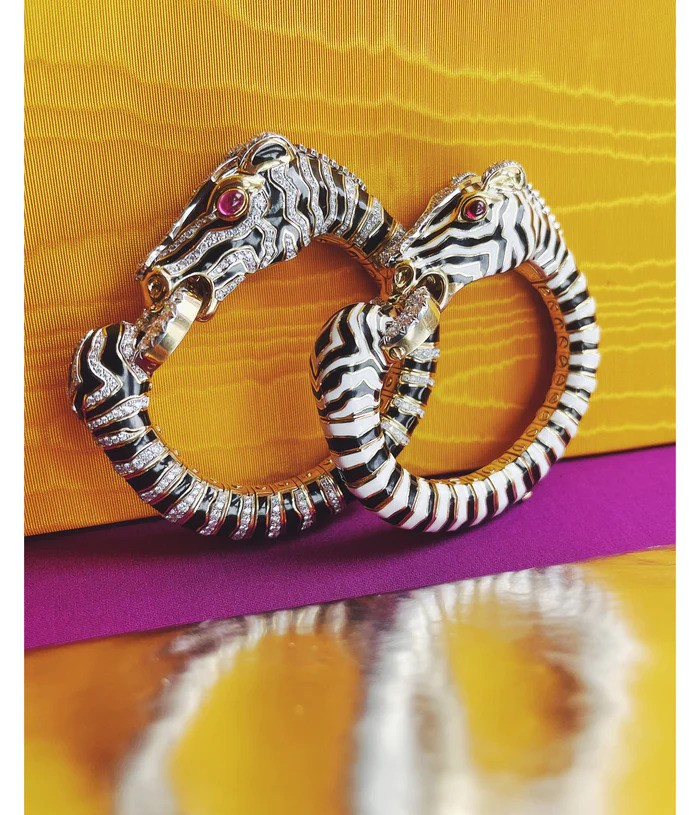
Today, David Webb jewelry remains as relevant as ever, adorning red carpets, gracing museum exhibitions, and commanding impressive prices at auction. The brand’s signature motifs, particularly the instantly recognizable black and white enamel zebra bracelet, whimsical animal kingdom pieces, vibrant enamel work, and distinctive hammered gold, have become symbols of fearless American style. Collectors prize David Webb pieces for their exceptional craftsmanship, artistic vision, and enduring value.
Whether you’re a seasoned collector seeking rare vintage treasures or discovering David Webb’s iconic pieces for the first time, understanding this legendary brand’s history, craftsmanship, and collectibility enhances both appreciation and investment potential. This comprehensive guide explores everything from authentication tips to caring for these extraordinary works of wearable art.
The Story Behind David Webb
Early Life & Rise of the Designer
David Webb was born in 1925 in Asheville, North Carolina, showing artistic talent from an early age. At just 17, he moved to New York City to pursue his passion for jewelry design, securing an apprenticeship with a costume jewelry manufacturer. This early training taught Webb the fundamentals of jewelry construction, but his ambitions extended far beyond imitation gems.

In 1948, at age 23, David Webb opened his first studio on West 46th Street in Manhattan’s diamond district with minimal capital but maximum vision. His early work combined fine craftsmanship with accessible price points, gradually building a clientele who appreciated his distinctive aesthetic. Webb’s designs stood apart from the prevailing European-influenced delicacy of the era. His pieces were sculptural, substantial, and unabashedly bold.
Webb’s breakthrough came through his innovative use of materials and willingness to challenge conventions. While other jewelers focused on traditional diamond and platinum combinations, David Webb experimented with carved rock crystal, cabochon gemstones, vibrant enamel, and hammered gold finishes. His animal motifs, inspired by everything from ancient Egyptian art to natural history museums, brought playfulness and personality to fine jewelry.
The Golden Years
The 1960s and 1970s represented David Webb’s apex, as his jewelry became synonymous with confident American glamour. His designs perfectly captured the era’s spirit. They were modern yet rooted in historical references, luxurious yet approachable, serious craftsmanship delivered with a wink.
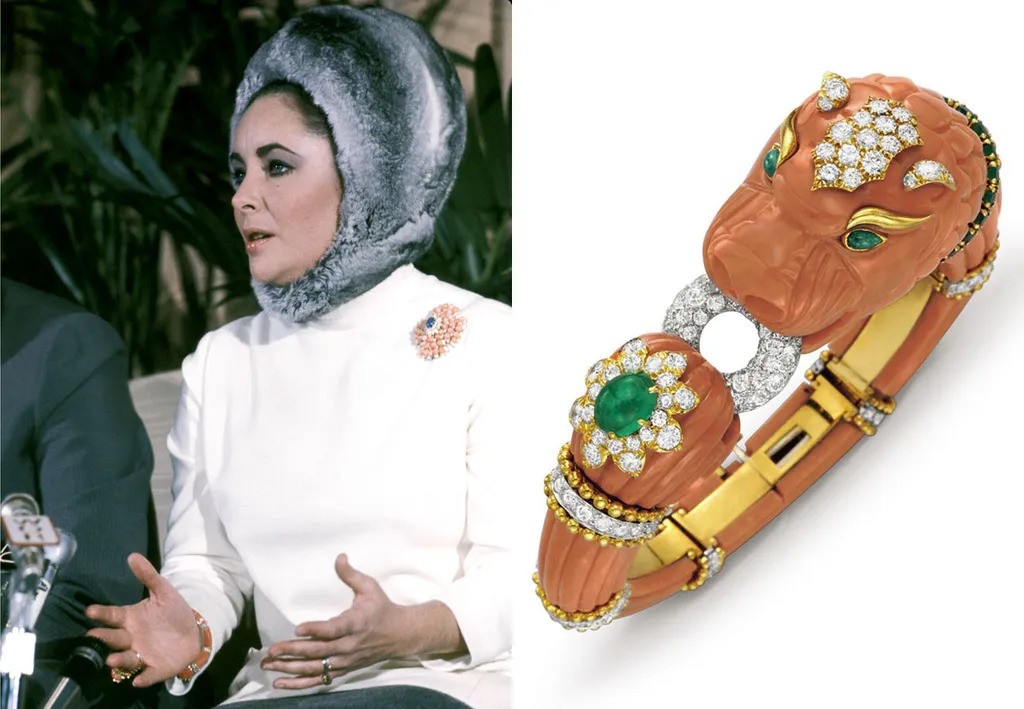
Celebrity clientele elevated the brand to legendary status. Jacqueline Kennedy Onassis wore David Webb jewelry regularly, including the famous gold cuff bracelets. Elizabeth Taylor, a passionate jewelry collector, owned multiple David Webb pieces and understood their artistic significance. Diana Vreeland, the influential Vogue editor and fashion oracle, championed Webb’s work, recognizing it as distinctly American luxury. Other devotees included Barbra Streisand, Cher, and a constellation of socialites, actresses, and style icons.
The jewelry press celebrated Webb as a uniquely American talent. While Cartier, Van Cleef & Arpels, and Bvlgari represented European elegance, David Webb defined American boldness—jewelry with personality, humor, and sculptural presence. His pieces made statements without uttering a word.
During this period, Webb’s workshop on Madison Avenue became a destination for those seeking extraordinary jewelry. Each piece was handmade by skilled artisans under Webb’s exacting direction, maintaining the workshop tradition that distinguished his brand from mass-produced luxury.
Legacy After David Webb’s Passing
When David Webb died in 1975 at just 50 years old, the jewelry world mourned a visionary talent. However, the brand he built proved resilient. His longtime associates continued operating the workshop, preserving his design aesthetic and commitment to handcrafted excellence.

In the following decades, David Webb jewelry experienced various ownership changes. The brand was revived in the 1990s under new management that recognized the value of Webb’s archive and the enduring appeal of his designs. Rather than chasing fleeting trends, the new stewards honored Webb’s legacy by continuing to produce pieces based on his original designs while carefully introducing contemporary interpretations.
Critically, the workshop remained in New York City—a rarity in an era when many luxury brands moved production overseas for cost savings. This commitment to American craftsmanship and the original manufacturing techniques Webb established ensures that contemporary David Webb jewelry maintains the quality and character that made the brand iconic.
Today, David Webb operates from a stunning townhouse at 57th Street and Madison Avenue in New York, where clients can view both vintage pieces and current collections. The brand has experienced renewed interest from younger collectors and celebrities who appreciate its maximalist aesthetic and impeccable provenance.
What Makes David Webb Jewelry Unique?
Signature Aesthetic Codes
David Webb jewelry is instantly recognizable, defined by several distinctive characteristics that separate it from other fine jewelry houses.
- Bold, sculptural silhouettes: Webb approached jewelry as three-dimensional sculpture. His pieces have volume, weight, and presence. Cuffs are substantial rather than delicate, rings command attention, and necklaces make architectural statements. This sculptural quality means David Webb pieces photograph beautifully and look equally striking in person.
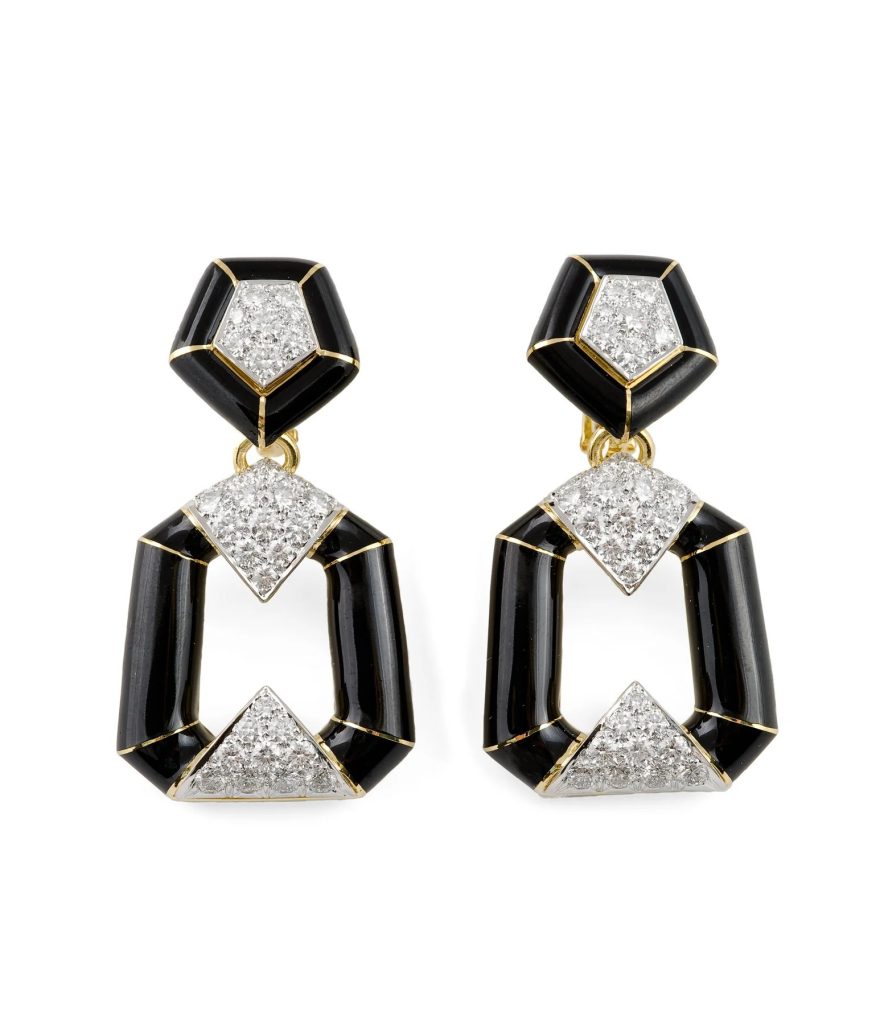
- High-contrast enamel work: Perhaps no element is more synonymous with David Webb than his use of black and white enamel, particularly in the zebra pattern. The precise application of enamel—multiple firings in high-temperature kilns—creates jewelry that’s both durable and visually striking. Beyond zebra stripes, Webb employed enamel in vibrant colors: coral red, turquoise blue, and emerald green, all applied with meticulous craftsmanship.
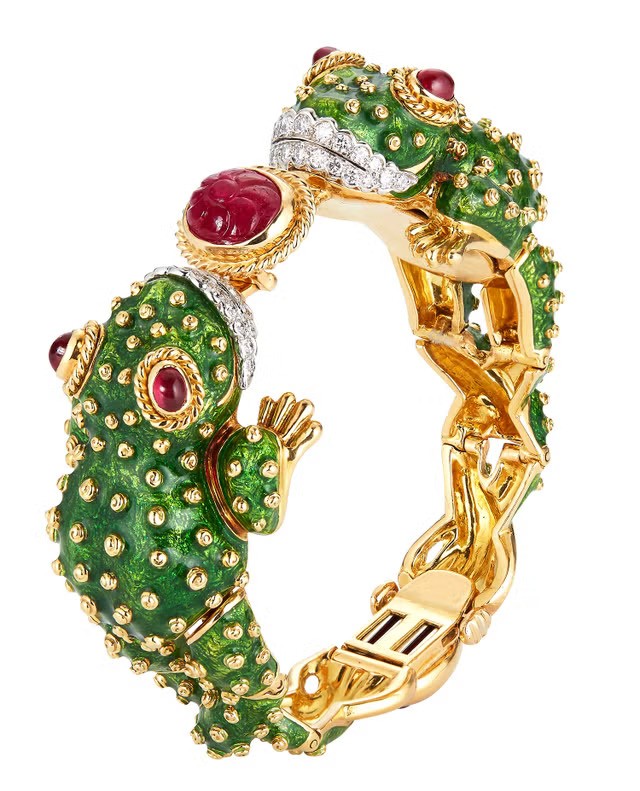
- Iconic animal motifs: The David Webb animal kingdom includes zebras, horses, monkeys, frogs, tigers, leopards, elephants, lions, and more. These weren’t just stylized interpretations but realistic renderings. A David Webb frog bracelet, for example, can feature a carved emerald with diamond accents and enamel details, transforming whimsy into wearable art worth tens of thousands of dollars.
- Hammered 18k gold: Webb proudly used hammered gold in high jewelry, creating surfaces that catch light dynamically. This hand-hammering technique, literally striking gold with specialized tools, produces unique textures on each piece. The effect is both ancient (recalling archaeological treasures) and utterly modern.
- Vibrant, chunky gemstones: While many jewelers favored faceted stones, Webb loved cabochons—smooth, rounded gemstones that emphasize color and form over sparkle. He set substantial emeralds, sapphires, rubies, and semi-precious stones like coral, turquoise, and jade into his designs, often in unexpected combinations.
Distinctive Craftsmanship
The phrase “handmade in New York City” isn’t marketing hyperbole for David Webb. It’s fundamental to the brand’s identity and quality.
- Workshop tradition: Every David Webb piece begins in the brand’s Manhattan workshop, where skilled artisans use techniques passed down through generations. This isn’t assembly-line production; it’s genuine craftsmanship where individual artisans are responsible for creating complete pieces.

- Hand-hammering: Creating Webb’s signature hammered gold texture requires skill and patience. Artisans use specialized hammers and stakes to create consistent yet organic textures across curved surfaces. Each strike must be controlled. Too hard damages the gold, too soft fails to create sufficient texture.
- Granulation: This ancient technique, dating to Etruscan jewelry, involves applying tiny gold beads to surfaces. Webb’s artisans master granulation to add decorative borders and textural interest, particularly on animal pieces where granulation might suggest fur or scales.
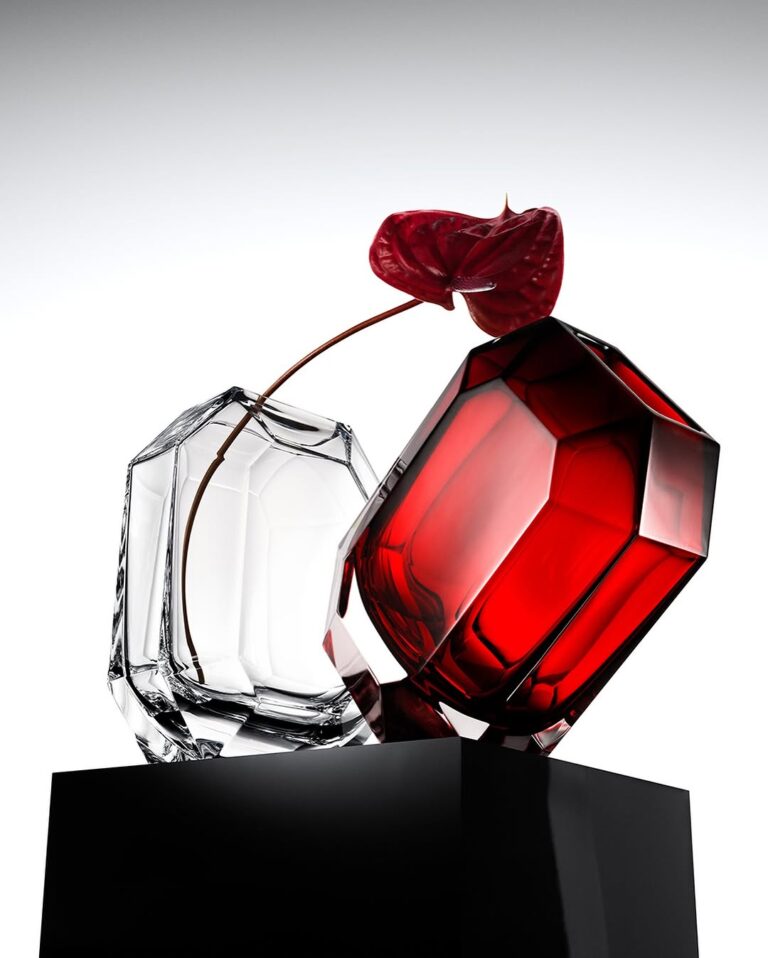
- Carved rock crystal: Some of David Webb’s most spectacular pieces feature carved rock crystal—quartz crystal hand-carved into forms ranging from animal bodies to decorative elements. This time-intensive process requires specialized lapidary skills. The transparency of rock crystal creates ethereal effects when combined with gold and enamel.
- Enamel artistry: Applying enamel to jewelry demands precision. The powdered glass must be mixed to exact consistency, applied evenly, and fired at precise temperatures. Multiple firings build depth and durability. David Webb’s enamel work is renowned for its smooth finish and lasting vibrancy.
Materials & Gemstones
David Webb’s material choices set his jewelry apart from contemporary jewelers.
- Cabochon-cut gemstones: Smooth, domed stones in vibrant colors dominate Webb designs. Large emerald cabochons, sugar-loaf rubies, and cushion-cut sapphires provide color impact without the busy sparkle of faceted stones.

- Distinctive semi-precious stones: Webb elevated materials often dismissed as “lesser” stones. His use of coral (particularly the deep red variety), jade (both green and lavender), and turquoise created jewelry that was luxurious yet approachable. These materials also connected his work to ancient jewelry traditions—Egyptian, Chinese, Native American—that clearly influenced his aesthetic.
- Rock crystal: Clear quartz crystal, either carved or used in large transparent sections, became a David Webb signature. The material’s clarity allowed him to create pieces with visual depth and lightness despite substantial size.
- 18k gold: Webb worked exclusively in 18-karat gold (75% pure gold), using yellow gold predominantly but occasionally white gold. The higher gold content provides both richer color and greater malleability for his sculptural designs.
- Diamonds and colored stones: While not his primary focus, Webb used diamonds effectively as accents and occasionally created all-diamond pieces. His colored stone selections emphasized saturated color over perfect clarity, valuing visual impact.
The Most Iconic David Webb Pieces
The Animal Kingdom Collection
No David Webb creation is more iconic than his animal jewelry. These pieces represent the perfect synthesis of his design philosophy—playful yet luxurious, meticulously crafted yet whimsical, substantial yet wearable.
- The Zebra: The undisputed king of David Webb’s iconic pieces, the zebra bracelet features black and white enamel stripes on a sculptural gold form, often with emerald eyes and diamond accents. First created in the 1960s, it remains in production today. Vintage examples command premium prices at auction, while contemporary versions start around $20,000-$40,000, depending on size and stone quality. The zebra represents David Webb at his most recognizable—bold pattern, expert enamel work, animal whimsy, and substantial gold construction.
- Monkeys and primates: David Webb’s monkey designs range from playful to regal. Some feature articulated limbs, others show monkeys grasping branches or bamboo. Materials might include carved coral for bodies, enamel for details, and precious stones for eyes.
- Frogs: Webb’s frog bracelets and brooches often feature enamel or jade bodies with gold accents. The three-dimensional quality makes these pieces sculptural art as much as jewelry.
- Big cats: Tigers, leopards, and lions appear throughout Webb’s work, sometimes rendered in naturalistic enamel patterns, other times abstracted. Spotted leopard bangles with enamel rosettes and pavé diamond accents exemplify Webb’s ability to balance realism with stylization.
- Exotic animals: Elephants, camels, horses, and even insects received the Webb treatment. Each creature is an opportunity to showcase different techniques—granulation suggesting texture, enamel creating pattern, carved stones forming bodies.
Collectors often specialize in animal pieces, building menageries of Webb creatures. The category’s appeal crosses generations. Young collectors appreciate the playful irreverence, while seasoned collectors value the craftsmanship and investment potential.
The Maltese Cross
The Maltese Cross represents David Webb’s ability to transform historical symbols into modern jewelry. This eight-pointed cross, with origins in medieval military orders, became a Webb signature through his distinctive interpretation.
Webb’s Maltese Cross pieces range from understated elegance to bold statements. Some feature the cross rendered in diamonds against black enamel backgrounds—high contrast maximizing visual impact. Others use colored enamel, carved gemstones, or hammered gold. The motif appears on cuffs, rings, pendants, brooches, and earrings.
The design’s historical resonance gives it gravitas while its geometric simplicity suits modern tastes. Collectors appreciate Maltese Cross pieces for their versatility. They are equally appropriate for formal events or elevated casual wear.
Rock Crystal & Gemstone Collars
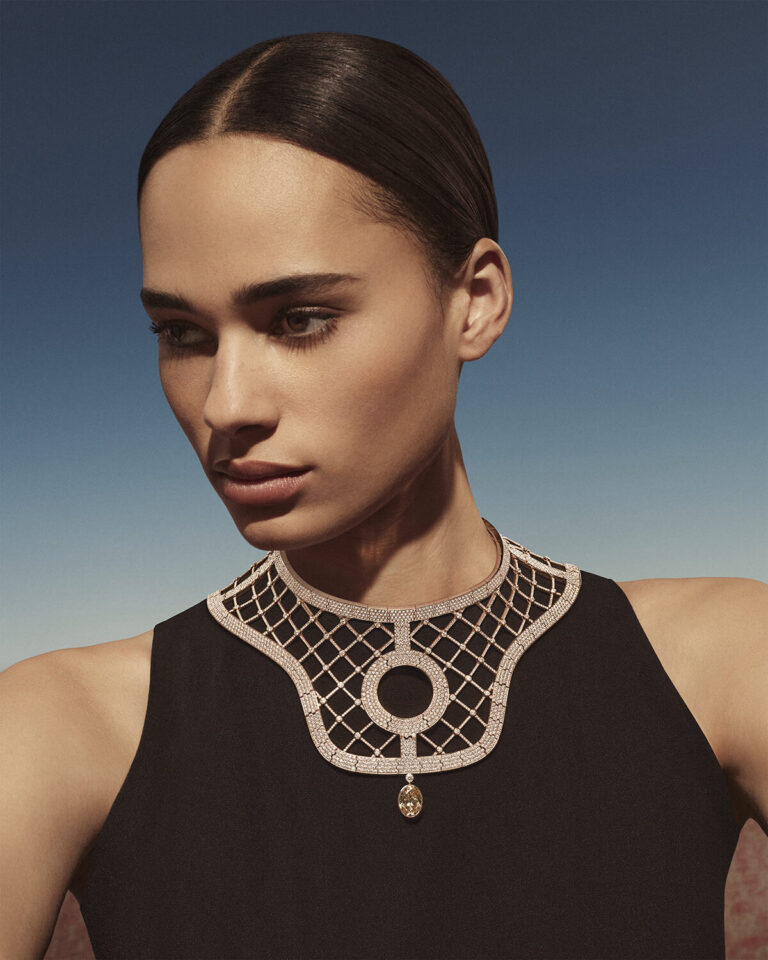
David Webb’s necklaces, particularly his substantial collar necklaces and chokers, represent jewelry as architecture. These pieces often feature large sections of carved rock crystal interspersed with gold, enamel, and gemstones. The transparency of rock crystal creates lightness despite substantial size, while the gold and gems provide visual anchors. Some designs incorporate coral, jade, or other semi-precious stones in bold geometric arrangements.
Webb’s cuffs share this architectural quality. Substantial gold bangles might feature a single large emerald cabochon flanked by diamonds, or intricate patterns of enamel and gold. These aren’t delicate accessories. They’re statement pieces that define an entire look.
Gold “Bamboo” & “Nail” Designs
David Webb found inspiration in unexpected places, including natural forms and utilitarian objects. His bamboo designs translate the segmented structure of bamboo stalks into gold jewelry. Bracelets featuring hammered gold “bamboo” sections connected by enamel joints or gem-set clasps bring organic elegance to the wrist. The natural form justifies the jewelry’s substantial size while the execution maintains luxurious sophistication.
The “nail” bracelet, a gold bangle resembling an oversized bent nail, exemplifies Webb’s wit. What could be more prosaic than a nail? Yet rendered in substantial 18k gold with hammered texture and perfect proportions, it becomes a sculptural masterpiece. The design’s simplicity makes it remarkably versatile, suiting everything from jeans to evening gowns.
These nature and object-inspired pieces demonstrate Webb’s design range beyond his famous animal motifs, appealing to collectors seeking more understated David Webb jewelry.
David Webb Jewelry Through the Decades
Understanding how David Webb jewelry evolved helps collectors date pieces and recognize different era characteristics.
1950s: Foundation and Refinement
Early David Webb pieces from the brand’s first decade show influences from Webb’s costume jewelry training alongside his developing signature style. These pieces tend toward more traditional jewelry forms—cocktail rings, brooches, necklaces—executed with increasing confidence and originality.
Materials during this period included more gold and fewer of the exotic materials that would later define the brand. The craftsmanship was already exceptional, establishing the workshop standards that would become legendary. Collectors prize 1950s David Webb jewelry for its rarity and for showing the designer’s evolution.
1960s-1970s: The Golden Age
This period represents peak David Webb creativity and cultural influence. The animal kingdom exploded across bracelets, rings, and brooches. Enamel work reached new heights of complexity and color. Rock crystal appeared in spectacular carved forms.
Designs from this era have maximum collectibility. These pieces represent Webb’s personal creative direction and were often made for specific celebrity clients or special commissions. The craftsmanship during this period was exceptional, as the workshop operated at full capacity with master artisans at every station.
When collectors discuss vintage David Webb, they typically mean pieces from the 1960s-1970s. These decades produced the iconic designs that define the brand’s aesthetic legacy.
1980s-1990s: Transition and Evolution
Following Webb’s death in 1975, the brand navigated transition periods under different leadership. The 1980s saw continued production of classic designs alongside attempts to modernize the aesthetic for contemporary tastes.
Some 1980s pieces feel more restrained than the exuberant 1960s-70s work, reflecting changing fashion preferences during the “power dressing” era. However, the core craftsmanship remained intact as the workshop continued operating with many of the same artisans.
The 1990s revival under new ownership refocused on Webb’s classic designs, reissuing beloved pieces from the archives and reintroducing the brand to new audiences.
2000s-Present: Archive and Innovation
Contemporary David Webb balances heritage and modernity. The brand continues to produce iconic pieces from the archive—you can purchase a zebra bracelet today using the same techniques and molds from decades ago. This continuity appeals to collectors who want authentic David Webb craftsmanship with the security of new merchandise.
The brand has also introduced contemporary interpretations and entirely new designs that honor Webb’s aesthetic while acknowledging modern tastes. Celebrity endorsements from younger stars have introduced David Webb jewelry to new generations.
Dating David Webb Pieces
Collectors can estimate a piece’s age through several clues:
- Hallmarks and stamps: Dating systems changed over the decades (more details in the authentication section)
- Construction techniques: Subtle differences in how pieces are assembled evolved over time
- Design characteristics: Certain motifs and color combinations were more common in specific eras
- Materials: Some stones and enamels were favored during particular periods
- Provenance documentation: Original purchase receipts, appraisals, or boxes help establish dates
For valuable or rare pieces, consulting a David Webb expert or the brand itself can provide definitive dating.
Is David Webb a Good Investment?
Collector Value
David Webb jewelry has proven itself as a legitimate investment-grade category within fine jewelry collecting. Unlike fashion jewelry that may fall out of favor, David Webb designer pieces combine several value-supporting factors: exceptional craftsmanship, limited production, brand recognition, and timeless design.
Auction performance
Major auction houses regularly feature David Webb jewelry in their Important Jewelry sales. Rare pieces, particularly iconic animal designs, exceptional gemstone examples, and documented celebrity-owned items, often exceed estimates. Christie’s and Sotheby’s have sold significant David Webb pieces for five and six figures, with rare examples reaching $50,000-$200,000+.
Market stability
Unlike trend-driven fashion jewelry, David Webb’s value remains relatively stable. Classic pieces maintain their worth, with the most desirable examples appreciating steadily. The brand’s continued operation and commitment to quality prevent the value collapse that occurs when brands disappear or compromise standards.
Cross-generational appeal
David Webb attracts both mature collectors who remember the brand’s heyday and younger buyers discovering its maximalist aesthetic. This broad appeal supports sustained demand.
What Affects David Webb’s Value?
Several factors determine what individual pieces are worth, including:
- Condition: Jewelry in excellent condition commands premium prices. For David Webb, condition assessment includes:
- Enamel integrity (no chips or cracks)
- Gold surfaces are free from excessive wear
- Gemstones secure in settings
- Clasps and hinges are functioning properly
- Original patina vs over-polishing (some collectors prefer aged gold surfaces)
- Rarity of design: Commonly produced pieces, even well-executed, have more modest values than rare designs. A standard gold bangle appreciates less than a unique animal brooch created for a specific commission.
- Era of manufacture: Pieces from the 1960s-1970s peak period command premiums, particularly those made during David Webb’s lifetime. Contemporary pieces, while still valuable, lack the provenance of vintage examples.
- Signature motifs: Animal designs, especially the zebra, hold value better than more generic pieces. Collectors pay premiums for instantly recognizable David Webb iconic pieces.
- Size and presence: Substantial pieces with impressive visual impact typically appreciate better than small, delicate items. A bold cuff outperforms a simple ring from an investment perspective.
- Gemstone quality: Pieces featuring exceptional gemstones—large, high-quality emeralds, sapphires, or rubies—command prices reflecting both the jewelry design and the gem value.
- Original documentation: Boxes, certificates, original receipts, and provenance documentation add 10-20% to value. Celebrity provenance can add significantly more.
New vs Vintage: What Collectors Should Know
The decision between purchasing new or vintage David Webb jewelry involves several considerations.
New David Webb jewelry offers:
- Pristine condition with warranties
- Knowledge of authentic sourcing
- Current styles alongside archival reissues
- Ability to customize or commission pieces
- Full brand support for repairs and maintenance
Vintage David Webb jewelry offers:
- Pieces made during the founder’s lifetime
- Potential appreciation as true vintage items
- Often lower prices than comparable new pieces
- Unique designs no longer in production
- Investment potential from increasing rarity
Investment strategy: Serious collectors often combine both, purchasing new statement pieces for wearing while acquiring vintage rarities as investment holdings. The key is focusing on quality, iconic designs, and excellent condition, regardless of era.
How to Identify Authentic David Webb Jewelry
As David Webb jewelry values have risen, so has the importance of authentication. While outright counterfeits are less common than with some luxury brands, misattributions, unsigned pieces, and reproduction concerns make authentication knowledge essential.
Hallmarks & Signatures
Authentic David Webb jewelry features specific markings, though these have evolved over the brand’s history. Standard hallmarks include:
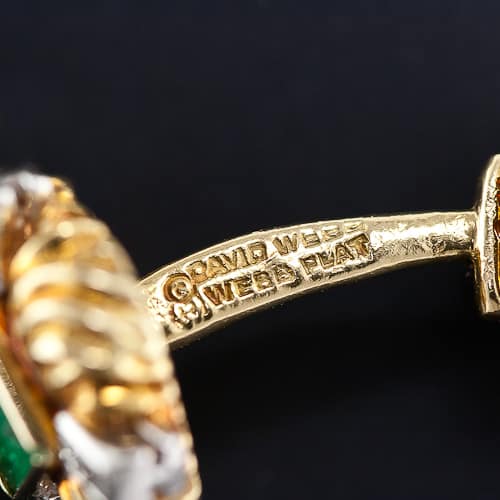
- “WEBB”: The most common signature, usually stamped clearly in the gold
- “DAVID WEBB”: Full name appears on some pieces, particularly larger ones
- “18K” or “750”: Indicates 18-karat gold (750 parts per thousand)
- “PLAT” or “950”: For the rarer platinum pieces
Location: Signatures typically appear on interior surfaces—inside ring shanks, on the back of brooches, on clasp assemblies, or on the inside of bracelet sections. The placement ensures visibility while maintaining the exterior design integrity.
Style variations: Signature fonts and styles changed over the decades. Early pieces might have different engraving styles than contemporary production. Familiarizing yourself with period-appropriate markings helps with authentication.
Workshop Construction Codes
Beyond visible signatures, authentic David Webb jewelry exhibits construction characteristics that trained eyes can identify:
- Hinge and clasp quality: David Webb clasps and hinges operate smoothly with precise tolerances. The mechanisms feel substantial and secure—no flimsiness or wobbling.
- Weight and substance: Authentic pieces feel substantial. Webb used solid gold construction rather than hollow or thin metal. A genuine David Webb cuff has satisfying heft.
- Enamel application: The enamel on authentic pieces shows even application, smooth surfaces, and proper firing. Look for consistent color, no bubbling or crazing, and clean edges where enamel meets gold.
- Stone setting: Gemstones in David Webb jewelry are securely set with precise metalwork. Prongs are evenly sized, bezels fit perfectly, and there’s no visible glue or epoxy.
- Gold finish: Webb’s hammered gold has a distinctive texture—organic yet controlled. Machine-made reproductions often show overly regular or inconsistent patterns.
Common Signs of Reproduction
While rare, David Webb reproductions and fakes do exist. Red flags include:
- Suspiciously low prices (genuine David Webb is never cheap)
- Missing or unclear hallmarks
- Lightweight construction suggesting hollow or thin gold
- Poor enamel quality with uneven application or visible imperfections
- Generic or incorrect design details
- Stones set with visible adhesive
- Clasps or hinges that feel flimsy or operate poorly
Unsigned pieces: Some jewelry in David Webb’s style exists without signatures. These might be:
- Unsigned early pieces (though rare)
- Work by other designers in similar styles
- Reproductions attempting to deceive
- Student or workshop pieces that were never intended as signed work
Without signatures, authentication becomes more complex, requiring expert analysis of construction, materials, and style.
When to Seek Expert Authentication
For significant purchases, professional authentication provides peace of mind. Situations requiring expert verification:
- Pieces costing several thousand dollars or more
- Vintage jewelry without original documentation
- Unsigned pieces attributed to David Webb
- Unusual designs not matching known Webb work
- Purchases from unfamiliar sources
Authentication options
- David Webb directly: The brand can examine pieces and provide authentication opinions, particularly for items in their design archive
- Major auction houses: Christie’s, Sotheby’s, and Heritage Auctions have jewelry experts familiar with David Webb
- Independent appraisers: Certified gemologist-appraisers (GIA credentials) with antique jewelry expertise can assess authenticity
- Reputable dealers: Established vintage jewelry dealers often provide authentication as part of their service
Authentication services typically cost $100-$500, depending on the piece’s complexity and the expert’s reputation. For valuable David Webb jewelry, this investment is worthwhile insurance.
Modern David Webb: What the Brand Is Creating Today
While vintage David Webb jewelry commands passionate collector interest, the contemporary brand continues creating exceptional pieces that honor the founder’s legacy while remaining relevant to modern tastes.
Current Collections
David Webb currently offers several distinct collections, many drawing directly from archival designs:
- Animal Kingdom: The zebra, frog, lion, and other beloved creatures remain in production, crafted using original techniques and molds. These pieces allow new collectors to acquire iconic David Webb designs with the security of contemporary warranties.
- Kingdom: A collection featuring royal motifs, including crowns, crosses, and heraldic elements rendered in Webb’s bold style.
- Motif: Geometric and abstract designs showcasing Webb’s sculptural sensibility without figurative elements.
- Couture: High jewelry pieces featuring exceptional gemstones in unique settings, often one-of-a-kind or limited editions.
- Signature: Core pieces that define the David Webb aesthetic, including hammered gold bangles, enamel cuffs, and rock crystal designs.
Celebrity Red Carpet Moments
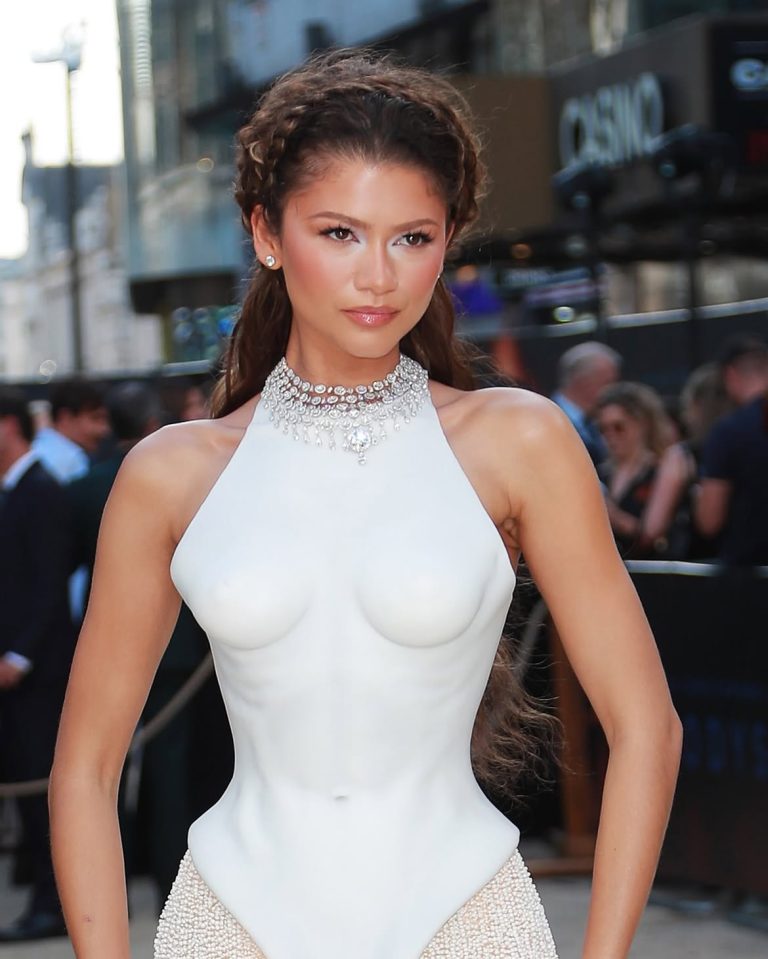
Contemporary celebrities continue embracing David Webb jewelry, providing valuable brand exposure. Recent years have seen David Webb pieces at major award shows, galas, and fashion events. When celebrities choose vintage or contemporary David Webb for red carpets, social media amplifies the brand’s visibility to millions.
The brand’s bold aesthetic particularly appeals to celebrities seeking distinctive jewelry that photographs well and makes memorable style statements. This celebrity endorsement introduces younger collectors to David Webb while validating the brand’s continued relevance.
Unique Commissions and High Jewelry
David Webb continues accepting custom commissions, allowing clients to work with designers and artisans to create one-of-a-kind pieces. This bespoke service connects to the brand’s heritage—David Webb himself created custom pieces for discerning clients.
The workshop’s New York location allows clients to visit, discuss designs, and see works in progress. This personal service distinguishes David Webb from brands with overseas production, where customer interaction is minimal.
High jewelry pieces featuring exceptional gemstones—significant emeralds, sapphires, or diamonds—demonstrate that David Webb remains a serious jewelry house capable of creating museum-quality work alongside more accessible pieces.
Where to Buy David Webb Jewelry
Direct From the Flagship
David Webb New York (7 East 57th Street, New York, NY): The brand’s Manhattan townhouse offers the complete David Webb experience. Knowledgeable staff can show current collections, discuss custom possibilities, and sometimes offer vintage pieces the brand has acquired. Purchasing directly ensures authenticity and provides full brand support. The salon setting allows leisurely viewing and trying pieces—essential for substantial jewelry where fit, comfort, and appearance against your skin matter enormously.
Authorized Retailers & Galleries
David Webb maintains relationships with select high-end jewelry retailers nationally and internationally. Authorized retailers include:
- Prominent department stores (Bergdorf Goodman, Neiman Marcus, select locations)
- Established fine jewelry boutiques in major cities
- International luxury retailers in key markets
Purchasing from authorized retailers ensures authenticity while offering more geographic convenience than traveling to New York.
Buying Vintage: Auction Houses & Trusted Resellers
The vintage and secondary market offers opportunities to acquire rare David Webb pieces, often at more accessible prices than comparable new items.
Major auction houses:
- Christie’s and Sotheby’s: Include David Webb in their Important Jewelry auctions, providing expert authentication, condition reports, and provenance documentation
- Heritage Auctions: Offers online and live auctions featuring David Webb at various price points
- Bonhams and Doyle: Occasionally feature David Webb in jewelry sales
Reputable resale platforms:
- 1stDibs: Curated marketplace with vetted dealers offering authenticated vintage David Webb
- The RealReal: Luxury consignment with in-house authentication for signed David Webb pieces
- Beladora: Specializes in vintage and estate jewelry with David Webb expertise
Established vintage jewelry dealers:
Brick-and-mortar and online dealers specializing in estate and vintage fine jewelry often carry David Webb. Look for dealers with:
- Strong reputations and years in business
- Membership in professional organizations
- Clear return policies
- Willingness to provide detailed information and additional photos
- Expertise in authenticating David Webb specifically
What to Watch Out For When Shopping Online
Online shopping offers convenience and access to global inventory, but requires extra caution. Here are some best practices:
- Demand clear photos showing hallmarks, construction details, and any condition issues
- Request additional photos if necessary—reputable sellers accommodate reasonable requests
- Verify return policies before purchasing
- Use secure payment methods offering buyer protection
- Research the seller thoroughly (reviews, ratings, history)
- Be skeptical of prices far below market value
- Ask specific questions about condition, restoration, and authenticity
Marketplaces requiring caution:
- eBay: Can offer genuine David Webb from reputable sellers, but the authentication burden falls on buyers.
- Instagram and Facebook sales: Higher risk without platform buyer protection.
- Unknown websites: Stick with established, reputable sellers.
For significant purchases, consider using escrow services or authentication contingencies that allow expert verification before completing transactions.
Care & Maintenance of David Webb Jewelry
Proper care preserves both the beauty and value of David Webb jewelry. The combination of materials, gold, enamel, gemstones, requires thoughtful maintenance practices.
Enamel Care

Enamel, while durable, requires special attention as it can chip or crack if struck sharply.
Daily wear:
- Remove enamel pieces before activities involving hand impacts (cooking, sports, etc.)
- Avoid striking enamel jewelry against hard surfaces
- Be mindful when putting on or removing clothing—enamel can catch on fabric
Cleaning:
- Wipe gently with a soft, slightly damp cloth
- Avoid ultrasonic cleaners, which can loosen enamel
- Never use abrasive cleaners or brushes on enamel surfaces
- Don’t soak enamel jewelry for extended periods
Damage: If enamel chips or cracks, seek professional repair immediately. David Webb offers restoration services for their pieces, including enamel repair. Addressing damage quickly prevents it from worsening.
Gold Polishing
David Webb’s hammered gold surfaces develop beautiful patina over time, which many collectors prefer to high polish.

Cleaning:
- Warm water with mild soap and a soft cloth removes most dirt and oils
- Gently clean with a very soft brush (baby toothbrush) for textured surfaces
- Rinse thoroughly and pat dry with a lint-free cloth
Polishing:
- Professional jewelers can polish gold to restore its high shine
- Be aware that aggressive polishing removes metal and can diminish the hammered texture
- Many collectors prefer gentle cleaning that preserves the aged gold patina
- Over-polishing vintage pieces can reduce collector value
Scratches: Minor surface scratches are normal with wear. Deep scratches can be professionally buffed out, though this removes small amounts of gold.
Gemstone Care
David Webb pieces feature various gemstones requiring different care.
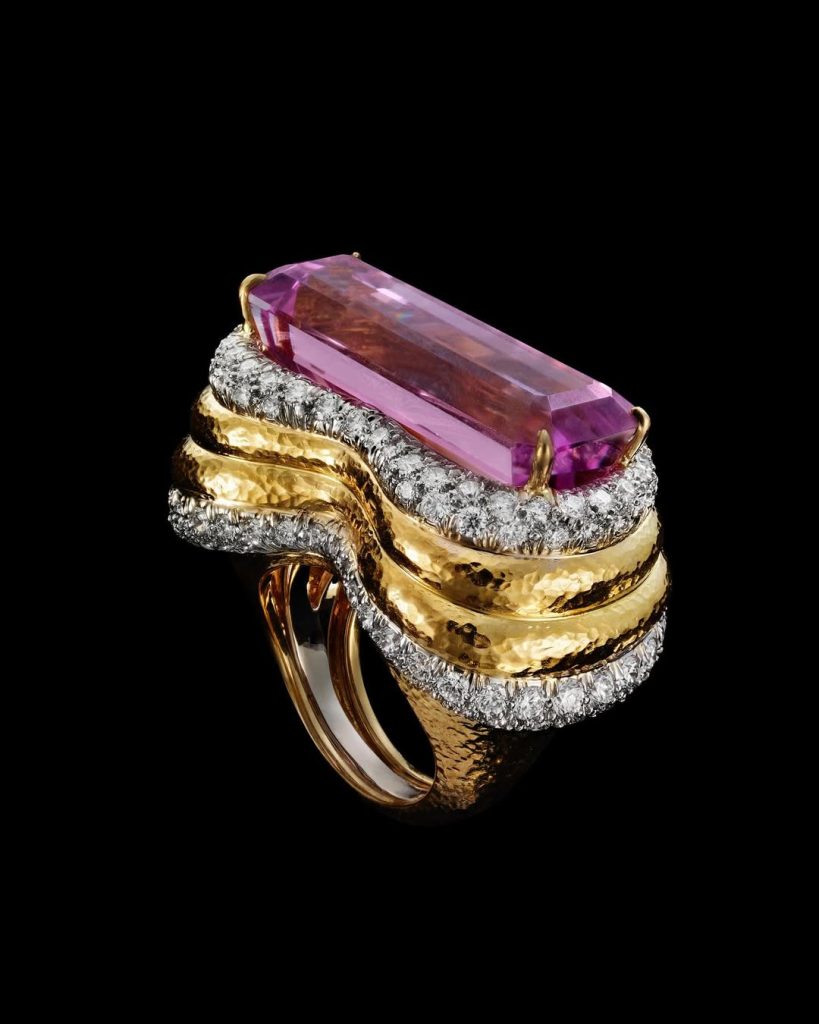
Emeralds, rubies, sapphires:
- Relatively durable, but can be damaged by sharp impacts
- Clean with warm, soapy water
- Avoid ultrasonic cleaners for emeralds (often treated with oils)
- Store separately to prevent scratching
Rock crystal:
- Durable and easy to maintain
- Clean with glass cleaner or soapy water
- Can be polished if scratched
Coral, jade, turquoise:
- Porous materials requiring gentle care
- Wipe with a barely damp cloth only—avoid soaking
- Keep away from cosmetics, perfumes, and chemicals
- Store separately as they’re softer than other gemstones
Diamonds:
- Extremely durable
- Can be cleaned with jewelry cleaners or professional ultrasonic cleaning
- Store separately, as diamonds can scratch other stones and metals
Storage Tips for Vintage Webb
Proper storage prevents damage and maintains condition:
- Individual storage: Store each piece separately in soft pouches or lined jewelry boxes to prevent pieces from scratching each other.
- Climate control: Avoid extreme temperature fluctuations and humidity. Room temperature in climate-controlled homes is ideal.
- Security: Valuable David Webb jewelry should be stored securely when not worn—safes or safety deposit boxes for the most precious pieces.
- Insurance: Document your collection with photographs and appraisals. Update appraisals every 3-5 years for insurance purposes.
- Regular inspection: Periodically examine jewelry for loose stones, damaged enamel, or clasp issues. Address problems immediately to prevent loss or further damage.
- Professional maintenance: Have valuable David Webb pieces professionally inspected annually. Jewelers can check stone settings, clasp function, and overall condition while performing professional cleaning.
Frequently Asked Questions About David Webb Jewelry
Why is David Webb jewelry so expensive?
David Webb jewelry commands premium prices due to handcrafted production in New York City using traditional goldsmithing techniques, use of fine materials (18k gold, precious gemstones, high-quality enamel), limited production volumes, and the brand’s prestigious reputation. Each piece requires hours of skilled artisan labor. The combination of artistry, craftsmanship, and heritage justifies the investment.
What makes David Webb jewelry unique?
David Webb jewelry stands apart through its bold, sculptural aesthetic, signature animal motifs, exceptional enamel work in vivid colors, hand-hammered gold textures, and use of materials like coral, jade, and carved rock crystal. The jewelry is distinctly American in its confident, exuberant style. Every piece is handmade in New York using techniques Webb pioneered.
Are David Webb pieces handmade?
Yes. All David Webb jewelry, both vintage and contemporary, is handmade by skilled artisans in the brand’s New York workshop using traditional techniques including hand-hammering, granulation, hand-applied enamel, and stone setting. This handcrafted approach distinguishes David Webb from mass-produced luxury brands and ensures exceptional quality.
How do you authenticate a David Webb bracelet?
Check for clear “WEBB” or “DAVID WEBB” hallmarks with crisp, deep stamping. Examine the craftsmanship—enamel should have clean edges and rich color, gold hammering should be even and consistent, and construction should be substantial. Authentic pieces feel weighty and show meticulous finishing even in non-visible areas. For valuable pieces, seek professional authentication from certified appraisers or the David Webb company.
Is David Webb jewelry a good investment?
David Webb jewelry can appreciate in value, particularly rare vintage pieces from the 1960s-1970s golden era, iconic animal motifs, and designs with excellent provenance. However, buy primarily for enjoyment rather than investment. Well-maintained pieces from sought-after categories have shown steady appreciation over time, and auction results demonstrate strong collector demand.
Shop David Webb jewelry
Conclusion: America’s Timeless Jewelry Icon
David Webb created jewelry that transcended its era to become timeless. His bold vision, exceptional craftsmanship, and distinctly American aesthetic established a brand that remains relevant and desirable decades after his passing. From the iconic zebra bracelet that instantly signals Webb’s signature style to elaborate high jewelry pieces that rival anything created in Europe, this jewelry house represents the pinnacle of American design.
For collectors, David Webb offers multiple satisfactions: the pleasure of wearing extraordinary jewelry, the intellectual appreciation of exceptional craftsmanship, and the potential for value appreciation. Whether you’re drawn to whimsical animal motifs, bold enamel work, or sculptural gold designs, David Webb’s extensive catalog offers pieces that speak to diverse tastes while maintaining consistent quality.
As you explore David Webb jewelry, remember that knowledge enhances both enjoyment and investment value. Understand authentication markers, study the brand’s history, buy from reputable sources, and care for pieces properly. Connect with other collectors, visit museum exhibitions featuring Webb’s work, and handle pieces in person whenever possible to develop your eye for quality.
Most importantly, wear and enjoy your David Webb jewelry. These pieces were designed to be seen, admired, and celebrated—not locked away. The joy they bring, the conversations they start, and the confidence they inspire represent their true value.
Featured image: Elizaveta Porodina for David Webb

Amanda Akalonu is dedicated to weaving together the worlds of jewelry, watches, and objects through a lens of literary storytelling.