
There are handbags that follow trends, and then there are handbags that transcend them. The Gucci Horsebit bag belongs firmly to the latter category. More than seventy years after it first appeared, it continues to attract collectors, stylists, and luxury buyers who understand that some designs earn their place in fashion history not through reinvention but through consistency.
In 2026, interest in the Horsebit has reached one of its highest points in years. Celebrities from Alexa Chung to Alex Consani have been seen wearing both archival and newly released versions. The bag has featured prominently on recent Gucci runways, and resale platforms are reporting strong demand. For collectors, the question is no longer whether the Gucci Horsebit bag deserves attention (it clearly does) but how to navigate its rich history, identify the right versions, authenticate purchases, and wear it well. This guide covers all of it.
The History of the Gucci Horsebit Motif
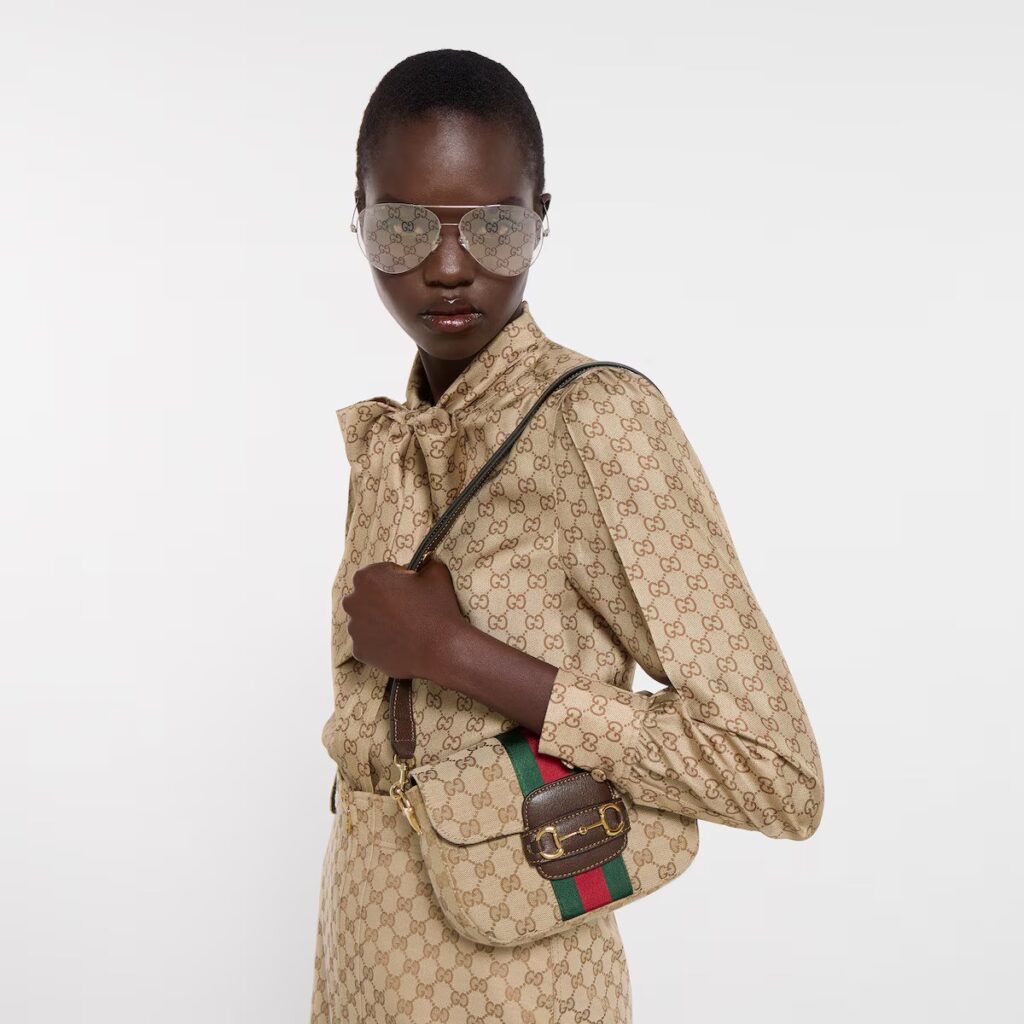
To understand the bag, you need to understand the emblem. The Horsebit motif, a double ring joined by a bar, is not simply a decorative detail. It is the visual expression of Gucci’s founding identity.
Guccio Gucci established the house in Florence in 1921, initially selling leather luggage and equestrian equipment to wealthy tourists who arrived in the city inspired by the elegance of the English aristocracy. Horses were central to that world, and the equestrian aesthetic was woven into the DNA of the brand from its earliest days.
The Horsebit’s creation was based on details borrowed from the equestrian world. It joins two elements, a double ring and a bar, to create an instantly recognisable house code, which has since become a signature part of Gucci’s brand DNA. Though this detail has been reinvented with the introduction of the new Horsebit line, it was originally seen on a pair of loafers in 1953. Two years later, in 1955, the hardware was used on a handbag for the first time.
The double ring and bar that make up the Horsebit motif first appeared on a pair of Gucci loafers in 1953, which would come to be one of the house’s most recognisable pieces, and two years later, the hardware accent was presented on the runways. The bag that carried it—structured, quietly elegant, anchored by that single gold clasp—would later be named the Horsebit 1955 in tribute to its year of debut.
The Gucci Horsebit 1955 Shoulder Bag has been seen on celebrities like Princess Diana, Harry Styles, and Alexa Chung. This cultural relevance across generations enhances its status as a fashion icon. Few handbags can claim that kind of reach across eras.
What Is the Gucci Horsebit Bag?
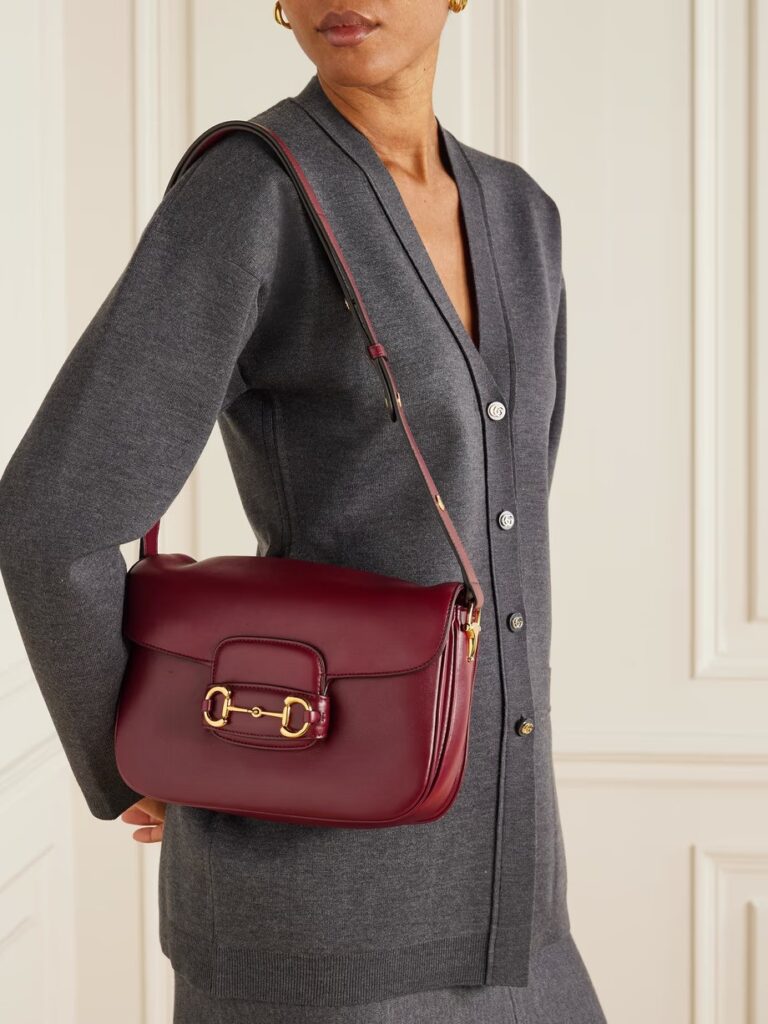
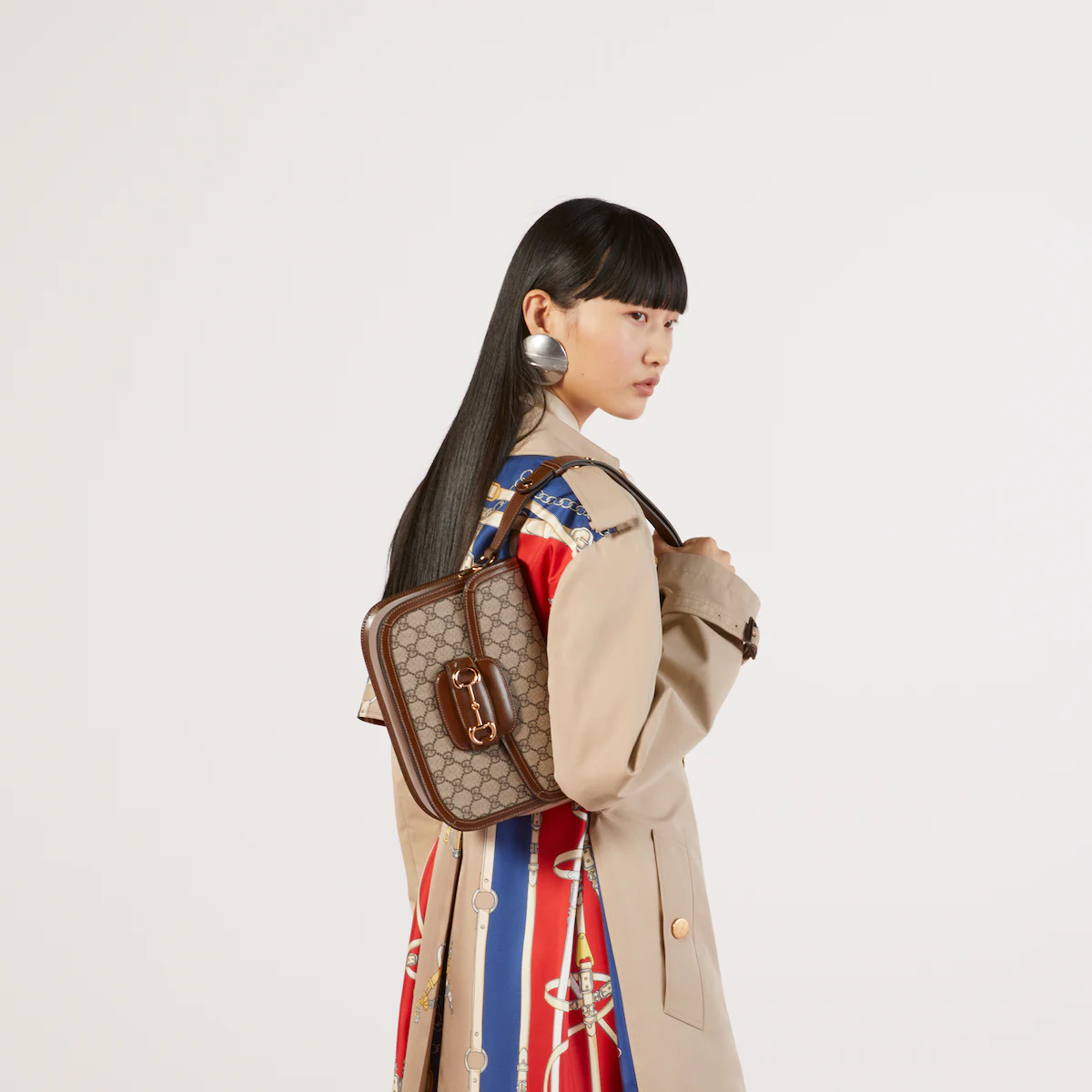
At its core, the Gucci Horsebit bag is a flap-closure shoulder bag anchored by the Horsebit hardware on the front, typically rendered in gold-tone metal. The classic Horsebit 1955 features a structured silhouette with a front flap, interior compartments, and a shoulder strap that can be worn long or short. Proportionally, it is a bag that works between sizes, neither too imposing nor too minimal, which is one of the key reasons for its extraordinary longevity.
The most recent iterations expand the vocabulary significantly. The Fall/Winter 2025 runway introduced the Soft Horsebit 1955, a bag that takes the classic silhouette and gives it an ultra-soft texture, offering a more fluid and tactile expression than before, in keeping with the bohemian and relaxed aesthetic of contemporary times.
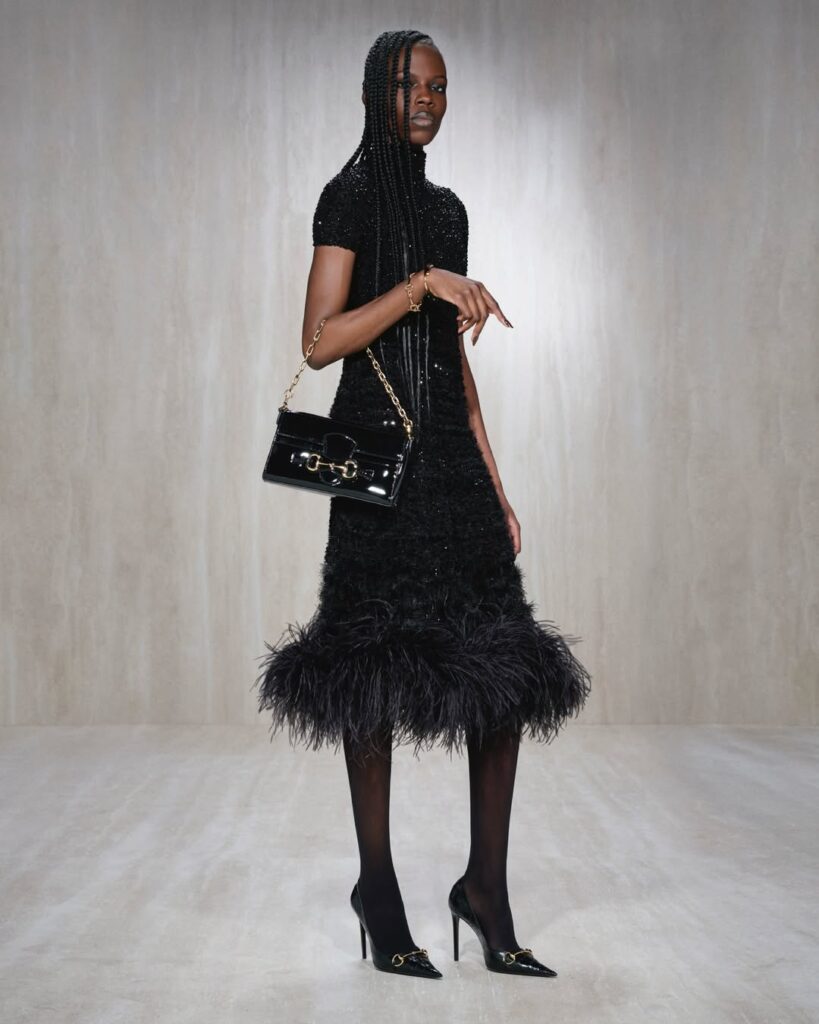
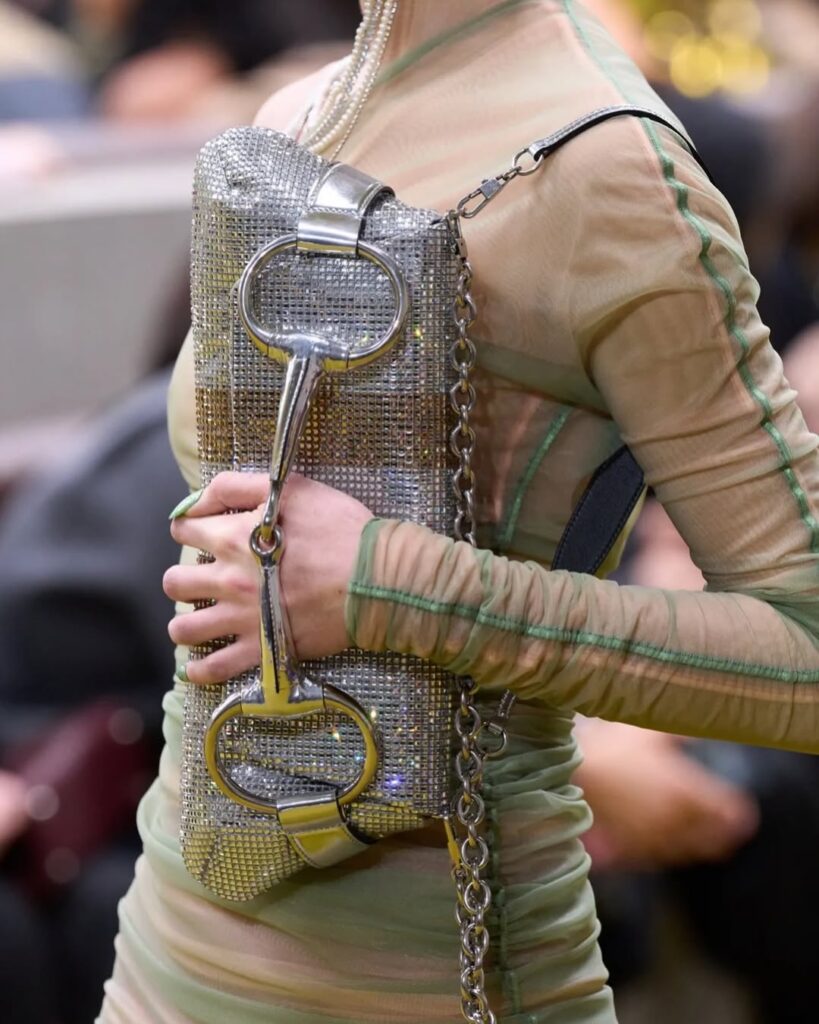
In terms of the latest offerings, the Horsebit comes in a series of sizes from small to large, with smooth leather, soft suede, and the bold GG Supreme canvas among the available materials. There is also the Gucci Horsebit Chain bag, a version where a gold chain replaces or accompanies the leather strap, adding an evening-appropriate glint to the silhouette.
Key Features of the Gucci Horsebit Bag
The Horsebit Hardware
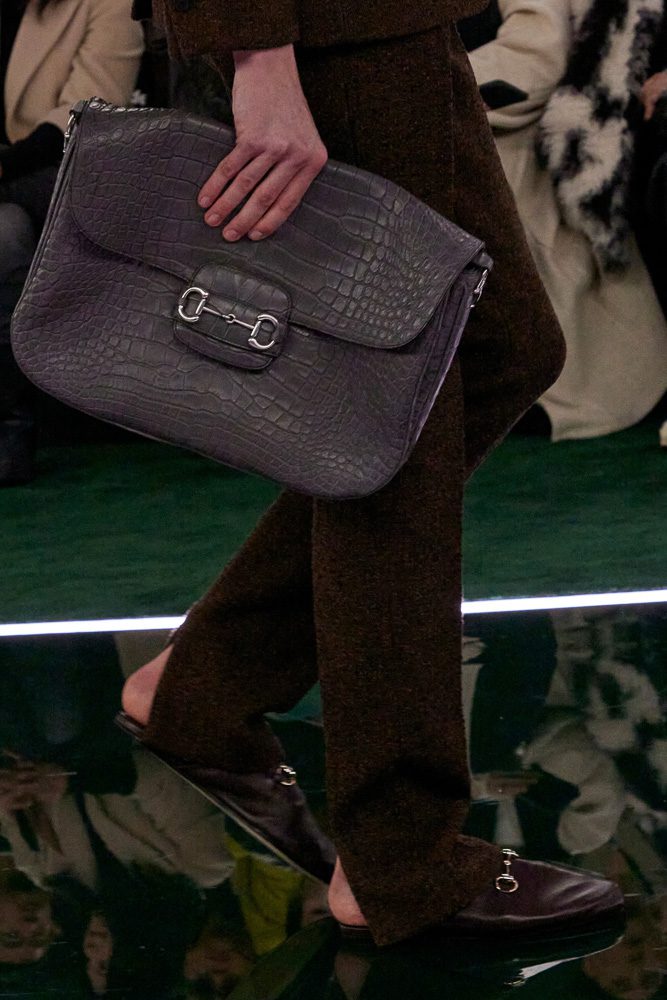
The hardware is the design. Everything else in the bag’s construction serves as a frame for the Horsebit clasp, which sits centred on the front flap. In classic iterations, it is rendered in burnished gold-tone metal; seasonal versions have experimented with silver, ruthenium, and oxidised finishes. The clasp functions both as a closure mechanism and as the bag’s primary visual statement—and it does both jobs beautifully.
Leather and Materials
The Horsebit 1955 is available in smooth calfskin (the most classic and most collectible choice), grained or textured leather, suede (in the Soft versions), and GG Supreme canvas for a more casual register. Exotic and limited-edition versions have appeared periodically in the secondary market, with iridescent leather, embroidered fabric, padded leather with a pillow-like texture, and these tend to attract premium collector attention.
Construction and Versatility
The bag features a flap opening, three interior gussets, and an adjustable shoulder strap for different styles of carrying. The day-to-evening versatility of the Horsebit bag is one of its most commercially important qualities. In smooth leather, it reads as smart casual through to business; in chain form, it works for evening. The proportional restraint of the design means it does not demand a particular outfit; it adapts to most of them.
Interior Layout and Functionality
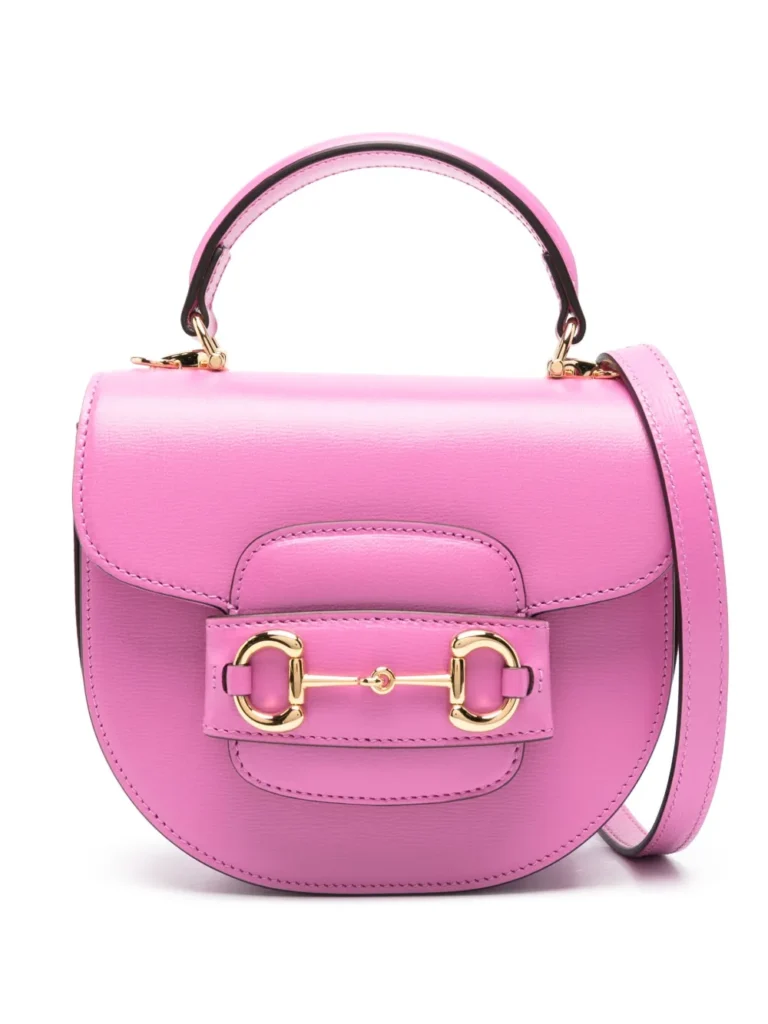
The Gucci Horsebit 1955 bag is available in vibrant colors and different sizes, catering to diverse tastes and preferences. You can choose from the medium, small, or mini size. The bags range in price from $2,100 to $13,500, depending on size, materials, and designs. The interior typically offers a main compartment with card and slip pockets, practical for daily use, though not as capacious as a tote. The bag is best understood as a sophisticated companion for curated essentials rather than an everything-inside carry-all.
Different Versions of the Gucci Horsebit Bag
The Horsebit Chain Bag
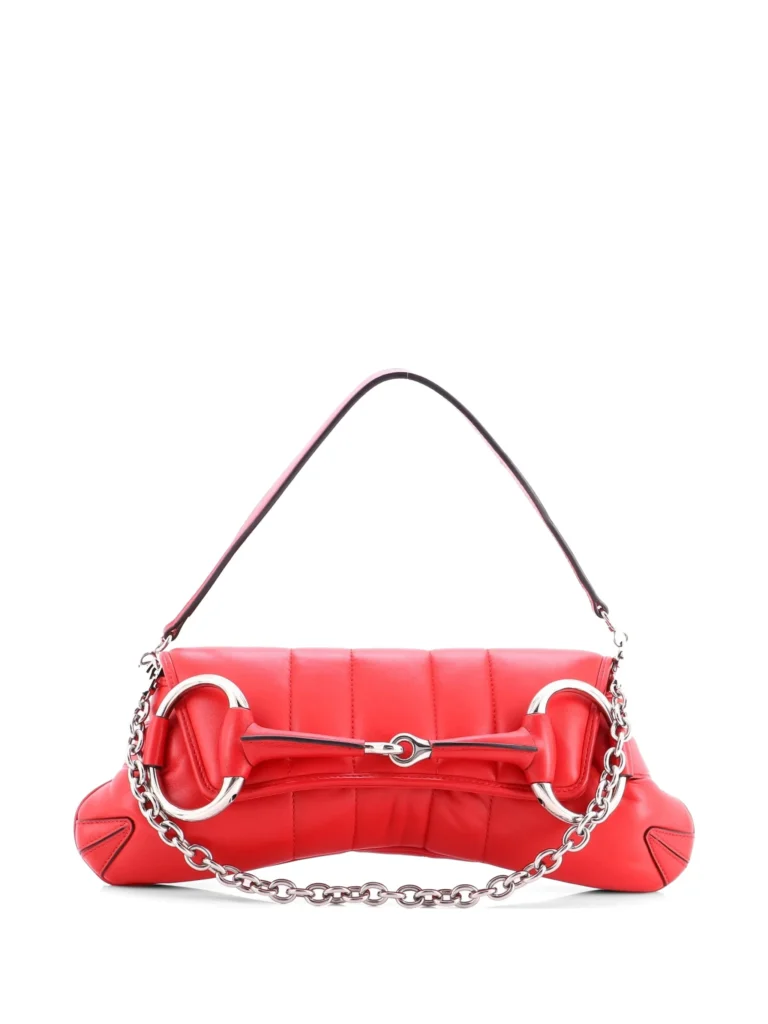
The Gucci Horsebit Chain bag adds a gold- or silver-tone link chain to the classic shoulder-bag construction, making it one of the most versatile and visually impactful versions in the range. It transitions from day to evening more fluidly than most bags at this price point.
The Medium Horsebit Shoulder Bag
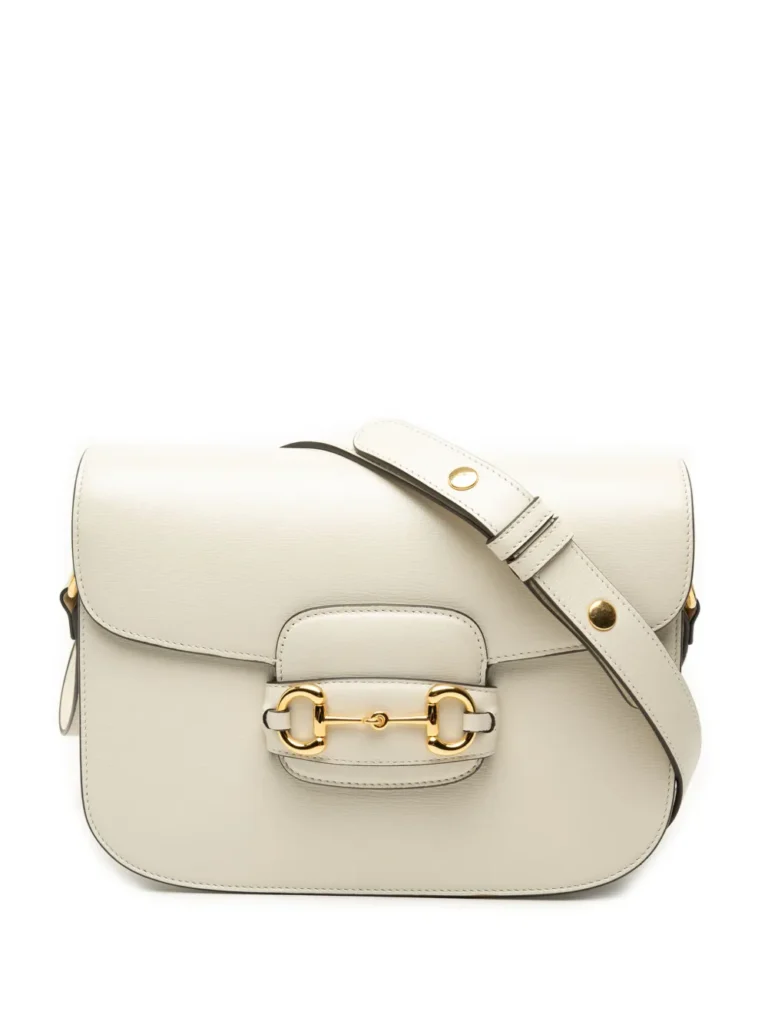
The medium is the collector’s sweet spot, proportionally generous enough to be genuinely useful, but not so large that it overwhelms. The Horsebit 1955 small shoulder and mini are in particular demand because they look quietly expensive, but the medium remains the most versatile for regular wear.
Structured Horsebit Evening Styles
Earlier iterations of the Horsebit, particularly those in smooth black leather with polished gold hardware, have a formality that makes them natural evening companions. Vintage examples from the 1970s and 1980s, found through specialist dealers, represent some of the most desirable collector pieces.
Seasonal and Limited-Edition Versions
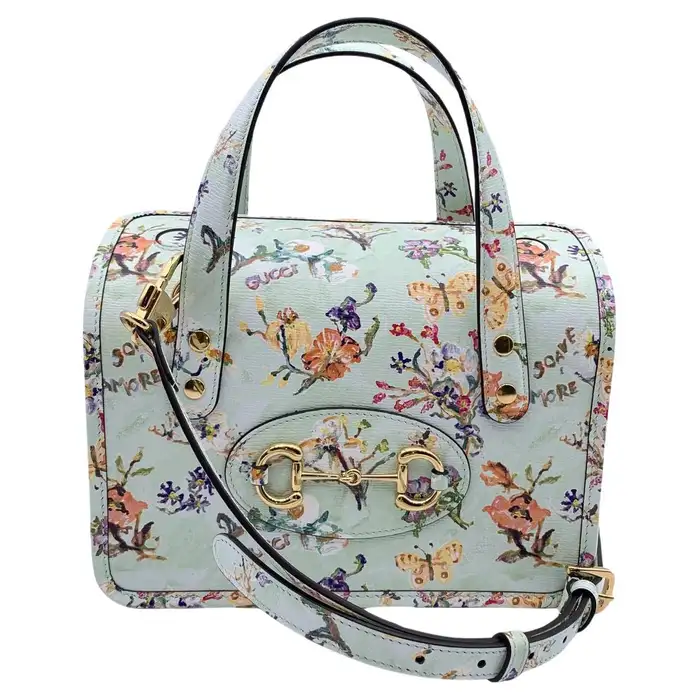
Gucci has periodically produced Horsebit bags in iridescent leather, printed canvas, and embellished iterations. The half-Horsebit motif first saw a resurgence on the runway for Spring 2025, and was further expanded upon for Pre-Fall 2025 with the debut of the beloved Gucci Softbit. Limited editions from specific runway seasons—the 2021 Love Parade floral version, for instance—carry a premium on the secondary market. Natural Diamonds
Vintage-Inspired Reissues
Gucci has returned to the Horsebit 1955 blueprint multiple times across different creative directors, each time layering contemporary materials onto the original structure. These reissues have the dual advantage of feeling historically grounded while being built to modern quality standards.
Why Collectors Love the Gucci Horsebit Bag
The archival luxury revival of the past several years has been good for many heritage bags, but few have benefited as naturally as the Gucci Horsebit bag. Over the past year, luxury has been defined by a nostalgic mood, and one of the most defining features of luxury designs is the heritage that they hold, with designer brands leaning into this by digging through the archives to celebrate their history with rediscovered icons.
The Horsebit fits perfectly within this mood because it never actually left. Unlike bags that were discontinued and then dramatically revived, the Horsebit has been a continuous presence in Gucci’s catalogue, which means collectors can find authentic examples across multiple decades, in dozens of materials, at a wide range of price points. The Gucci Horsebit 1955 bag is considered investment-worthy due to its strong resale value, iconic design, and enduring popularity. It’s a coveted classic that has remained relevant for years, making it a smart purchase for collectors and fashion enthusiasts alike.
Its “quiet luxury” appeal is also significant. The Horsebit does not rely on visible monogram or logo-heavy branding to signal its value. Those who know, know—and for a certain kind of collector, that connoisseurship is precisely the point.
Gucci Horsebit Bag vs Other Gucci Icons
Gucci Jackie 1961
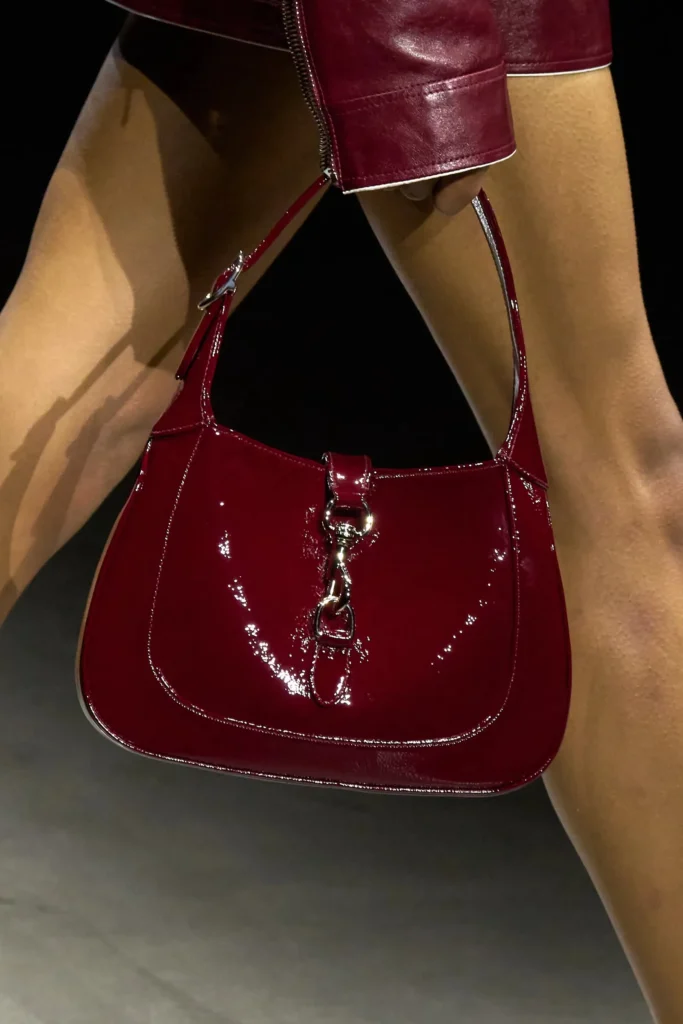
The Jackie is softer and more slouchy, a hobo silhouette best associated with its famous namesake. It has a stronger celebrity narrative but a less architectural sensibility than the Horsebit. For collectors who prefer structure and hardware-driven design, the Horsebit wins. For those who prefer understated informality, the Jackie is the closer choice.
Gucci Dionysus
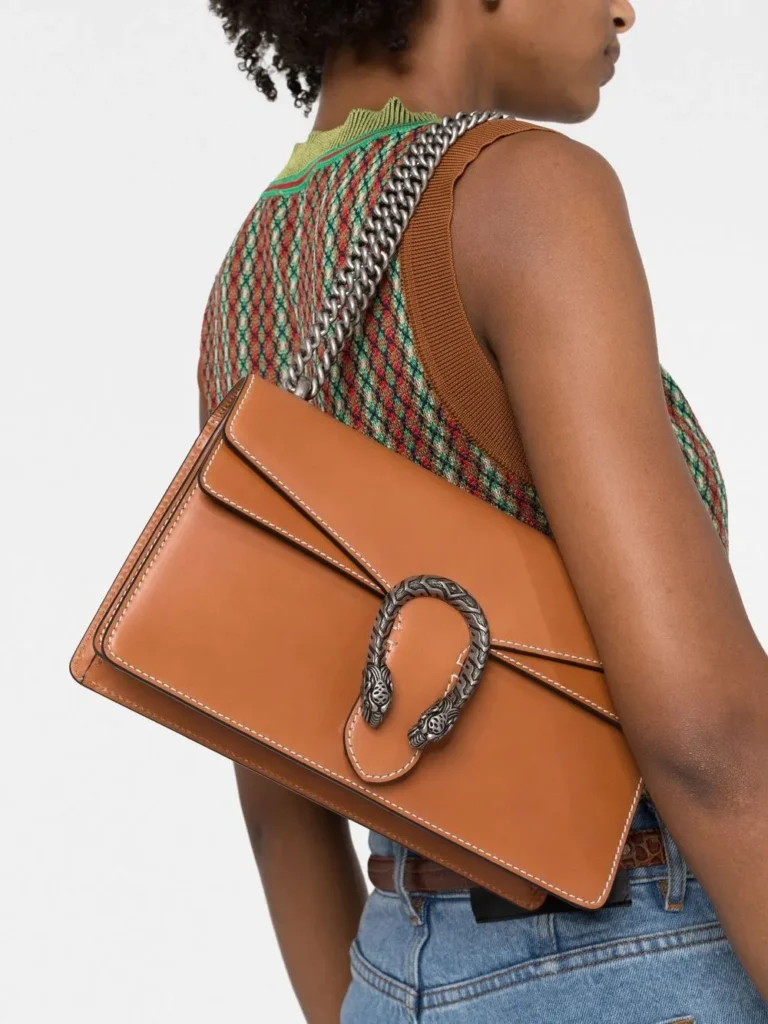
The Dionysus is more overtly decorative, with its tiger-head clasp and mythology-inflected design. It is a more fashion-forward choice than the Horsebit, which means it is more susceptible to the cycle of cultural enthusiasm and fatigue. The Horsebit, with its equestrian origins and simpler hardware, has proven more resistant to dating.
Gucci Bamboo 1947
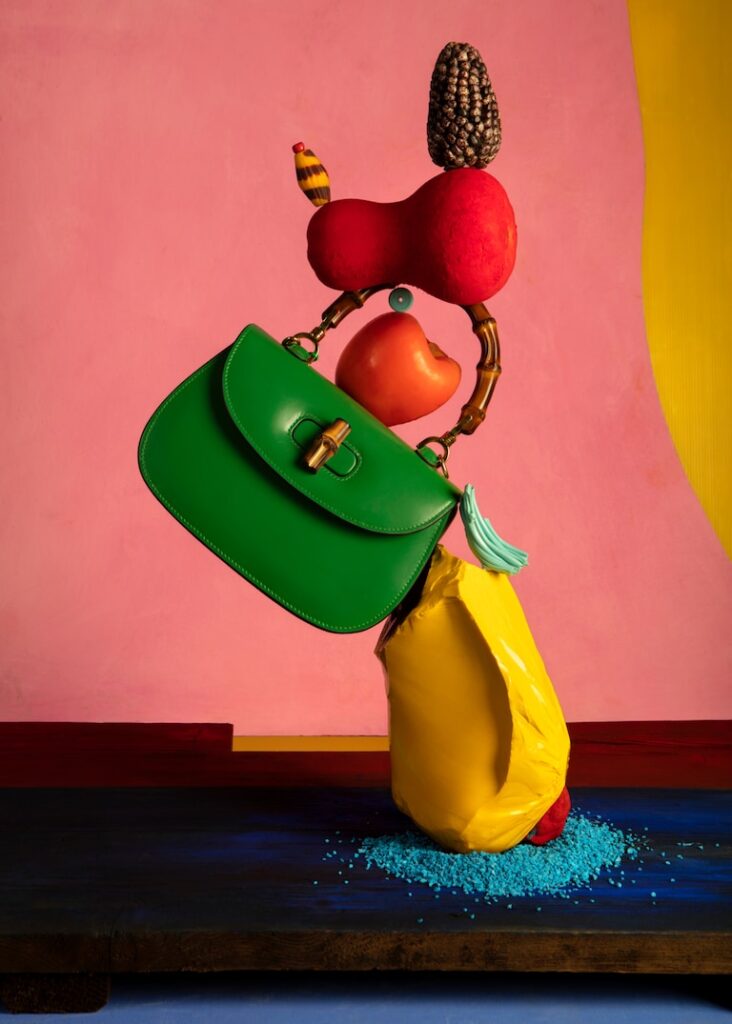
The Bamboo bag is arguably Gucci’s most historically significant creation—the bamboo handle was a wartime necessity that became an enduring icon. It is rarer, often more expensive, and carries a heavier collector premium. The Horsebit is more wearable on a daily basis and available in a wider range of versions, making it more accessible as a starting point for a Gucci collection.
Is the Gucci Horsebit Bag Worth Buying?
For collectors and regular buyers alike, the answer is yes, with some caveats around version selection. On the resale market, current and iconic Gucci models like the Horsebit 1955 typically resell for 55–80% of retail, with rare or limited editions sometimes exceeding boutique prices.
The classic smooth-leather medium or small in a neutral tone (tan, black, brown) offers the strongest cost-per-wear value. The equestrian spirit remains, and the bag’s contemporary revival is a testament to its enduring appeal. The sleek silhouette doesn’t scream for attention but rather commands it. Highly seasonal colorways and trend-driven iterations depreciate faster than classic versions. If the goal is long-term value retention alongside daily wearability, stick to the foundational forms in quality leather.
How to Authenticate a Gucci Horsebit Bag
Serial Numbers and Tags
Authentic Gucci bags carry a leather interior tag stamped “Gucci — Made in Italy” with a serial number. The serial number format has changed over the decades; vintage pieces will have shorter codes, while modern bags carry longer numeric sequences. Research the format relevant to the period of the piece you are considering.
Hardware Quality
The Horsebit clasp on an authentic bag feels substantial—there is weight to it, and the finish is consistent with no flaking, tarnishing on new pieces, or rough casting marks. Counterfeit hardware is often lighter, with uneven plating and imprecise ring closures.
Stitching Details
Gucci’s stitching is tight, even, and consistent. Count the stitches per centimetre and compare against known authentic references. Counterfeits frequently have uneven tension, looping, or misaligned seams. The thread color should complement rather than contrast with the leather.
Leather Consistency
Authentic Gucci Horsebit bags are made in Italy, using leather that is uniform in texture and color throughout. Check the underside of the strap, the interior edges, and the base of the bag, areas where counterfeiters often cut corners. The smell of quality Italian leather is a useful, if informal, additional indicator.
Packaging and Authenticity Cards
New Gucci purchases come with a dust bag, care booklet, and, on some pieces, an authenticity card. Vintage pieces will have less consistent packaging. When buying pre-owned, request clear photographs of all accompanying materials and cross-reference dust bag designs with known authentic examples from the relevant period.
How to Style the Gucci Horsebit Bag
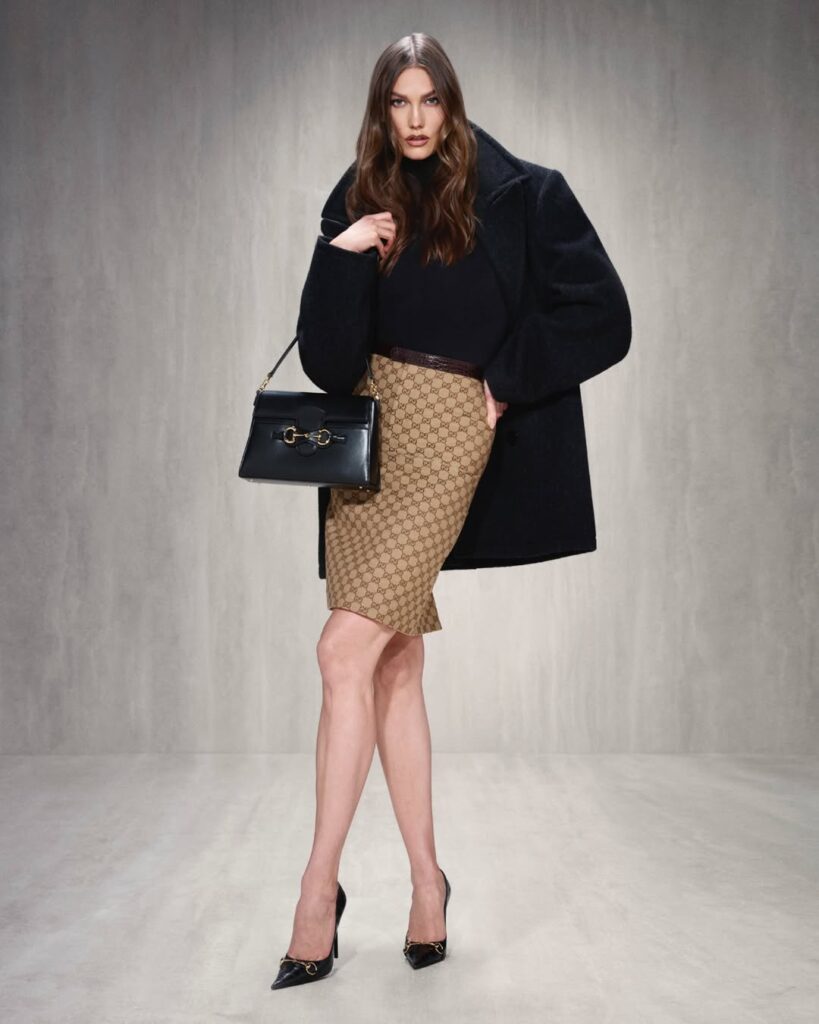
The Horsebit’s greatest styling advantage is its neutrality. It does not impose a mood; it adapts to one. In smooth tan leather, it works beautifully against cream linen, tailored trousers, and loafers in a minimal, investment-dressing register. In black leather with a chain strap, it transitions to evening with a slip dress or sharp suiting.
For a contemporary take, wear the medium Horsebit 1955 with wide-leg tailored trousers and a crisp white shirt; the restraint of the outfit allows the hardware to breathe. For a more relaxed approach, the Softbit or suede versions complement raw denim and oversized knitwear particularly well. The Horsebit is a bag that rewards commitment to quality over trend, which means it works well as a long-term wardrobe piece rather than a seasonal accent.
Where to Buy the Gucci Horsebit Bag
Current-season pieces are available directly through Gucci boutiques worldwide and at gucci.com, as well as luxury department stores including Harrods, Selfridges, Saks Fifth Avenue, and Bergdorf Goodman. For pre-owned and vintage versions, trusted platforms include The RealReal, Vestiaire Collective, Fashionphile, and 1stDibs. Specialist vintage luxury dealers, particularly those focused on Italian heritage brands, are also excellent sources for rarer archival pieces.
Frequently Asked Questions
Is the Gucci Horsebit bag timeless?
Yes. It has been in continuous production, in various forms, since 1955—a period spanning multiple creative directors, aesthetic shifts, and fashion cycles. That kind of durability is the definition of timeless design.
Is the Gucci Horsebit bag a good investment?
Classic versions in neutral leather hold their value well. Popular current models like the Horsebit 1955 typically resell for 55–80% of retail, with limited editions sometimes exceeding boutique prices. It is not guaranteed to appreciate, but it is among the more stable luxury bags in terms of resale performance.
What fits inside the Gucci Horsebit bag?
In the medium, comfortably: a phone, wallet, keys, lip products, and a small cardholder. The small and mini are best for edited evenings. The large works as a primary daily bag.
Is the Gucci Horsebit bag heavy?
In its leather forms, the bag is moderate in weight; the hardware adds some heft, but it is not unwieldy. Canvas versions are noticeably lighter.
Which Gucci bag is best for collectors?
The Horsebit 1955 in classic leather, alongside the Jackie 1961 and Bamboo 1947, represents the strongest foundation for a Gucci collection. Of the three, the Horsebit offers the widest range of accessible entry points and the most consistent resale demand.
Conclusion: Why the Gucci Horsebit Bag Endures

The Gucci Horsebit bag endures for the same reason that the best things in fashion always do: it is built on an idea that is true, made from materials that last, and designed with a restraint that allows it to belong to every era without belonging to any single one.
Some logos are stamped, some are stitched, and then there’s the Gucci Horsebit, an emblem so entwined with the house’s DNA that it practically trots through every era of the brand’s history. It started as a nod to equestrianism and became a symbol of a particular kind of luxury, one that doesn’t announce itself, that rewards knowledge over novelty, and that looks as right today as it did in 1955.
For collectors, that is not a small thing. In a market crowded with bags that demand attention on arrival and disappear just as quickly, the Horsebit offers something rarer: the confidence to wait.
Featured image: Courtesy of Gucci

Lydia Oladejo is a creative writer with over seven years of experience writing intriguing stories and engaging content. As a Staff Writer at Sewelo, she explores the artistry and history of high jewelry, blending her expertise in storytelling with a passion for luxury design.